Biochemical Blueprinting: Personalizing Food Protocols to Your Unique Genetic Code for Optimal Health
Introduction
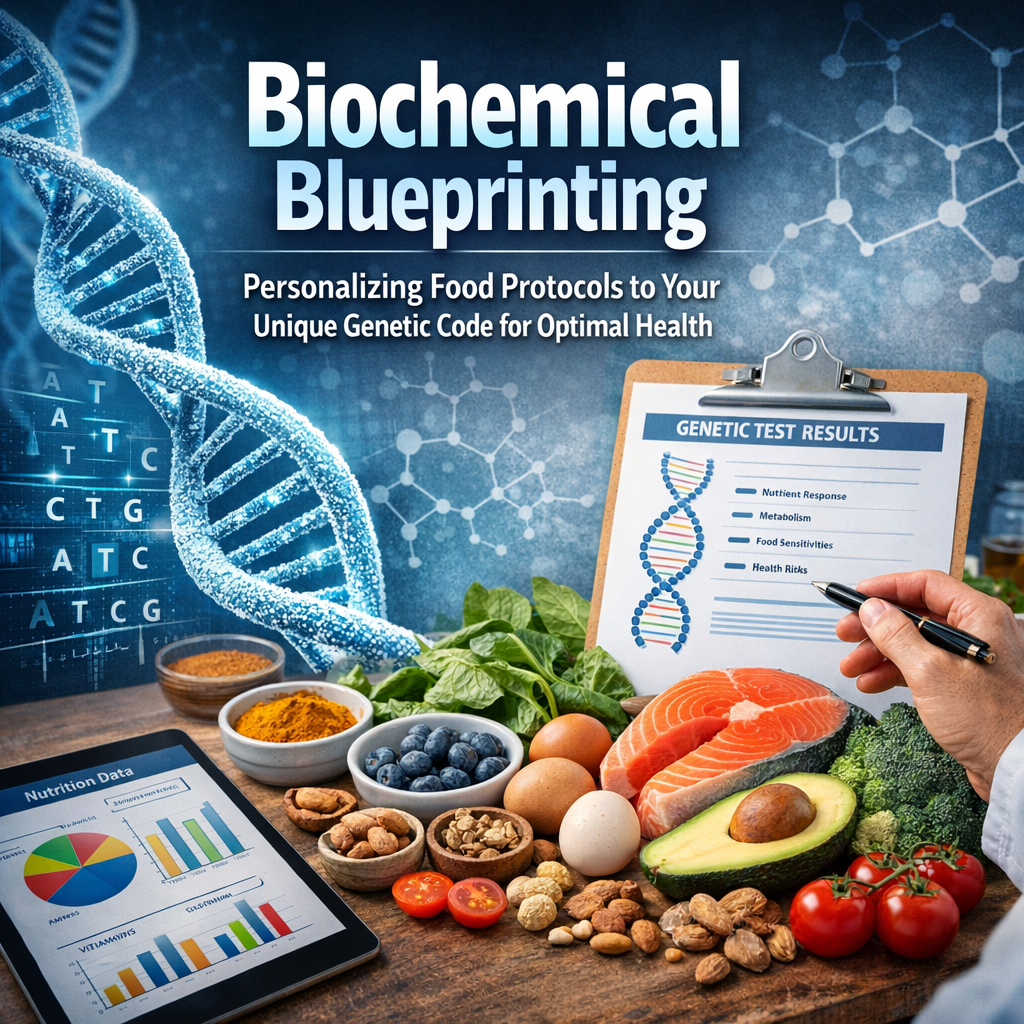
In an era where personalization is key to enhancing various aspects of our lives, nutrition is no exception. The age-old adage “you are what you eat” takes on new meaning as advancements in genetic research reveal how our individual genetic makeup can affect our health and nutrition. Biochemical blueprinting, or the process of tailoring dietary choices based on one’s genetic code, is an emerging field within nutritional science aimed at optimizing health and wellness. This approach leverages the power of genomics to create personalized nutrition strategies that consider our unique biochemical landscape.
Historically, dietary recommendations have been based on general guidelines intended to suit the “average” person. However, one-size-fits-all dietary plans often fall short of providing optimal health benefits due to individual biochemical differences. Our genes, which carry instructions for metabolic processes, influence how we process nutrients, manage weight, and fight diseases. Factors like genetic predispositions to conditions, nutrient absorption rates, and individual metabolic rates vary significantly from person to person. Understanding these variances through genetic testing allows for the customization of nutrition plans that align with specific health needs and goals.
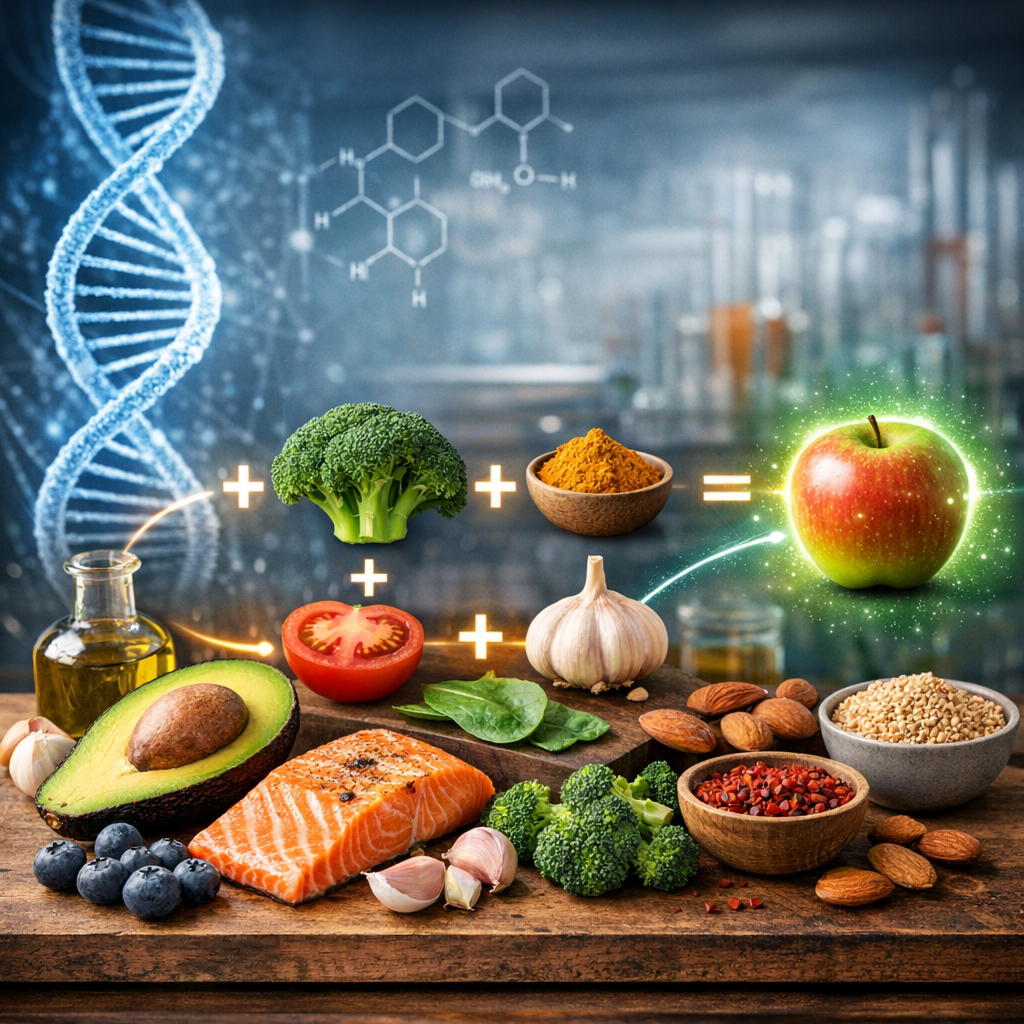
The science behind biochemical blueprinting is grounded in nutrigenomics, the study of the interaction between nutrition and genes. Nutrigenomics empowers us to delve deeper into our DNA to interpret how different foods affect our health on a molecular level. By identifying gene variants associated with nutritional needs and potential health risks, we can tailor dietary protocols that prevent disease, enhance health, and promote longevity. Biochemical blueprinting is particularly beneficial for addressing issues like lactose intolerance, gluten sensitivity, and cholesterol regulation, which can be influenced significantly by genetic factors.
Furthermore, this approach is gaining traction within homeopathic and herbal treatment spheres, where natural remedies are combined with personalized nutrition to support holistic healing. As people increasingly seek natural solutions for health, integrating genetic information into herbal and homeopathic treatment plans offers a novel way to maximize efficacy and safety. In the following sections, we’ll explore scientific studies backing this innovative approach and why it might be the key to unlocking your optimal health blueprint.
Features
Recent professional and medical studies have increasingly supported the validity and potential benefits of biochemical blueprinting for personalized nutrition. One pivotal study published in The American Journal of Clinical Nutrition delved into how genetic variations in individuals affect their response to components like dietary fats and vitamins. The study found that certain genetic markers could predict how effectively a person metabolizes omega-3 fatty acids, a nutrient known for its role in cardiovascular health. Those with specific gene variants benefited significantly from increased omega-3 intake, showcasing the power of tailoring nutritional protocols to genetic profiles (source).
Another significant study in The Journal of Nutrigenetics and Nutrigenomics investigated the interaction between a Mediterranean diet and individuals’ genetic profiles. Participants with a genetic predisposition to diabetes, after adopting a Mediterranean dietary pattern, showed improvements in glycemic control compared to those on a generic diet. These findings underscore the potential of using genetic information to refine dietary recommendations and prevent disease (source).
On the herbal and homeopathic front, research has also been conducted on the synergistic effects of diet and natural remedies customized to genetic profiles. A 2022 study featured in the Journal of Herbal Medicine examined the integration of genetic data into herbal treatment plans for managing cholesterol levels. Participants who followed herbal protocols based on their genetic predispositions achieved more significant cholesterol reductions than those on standard herbal treatments. This study supports the merging of modern genetic insights with traditional natural health practices (source).
Despite these promising findings, continued research and clinical applications are necessary to expand our understanding of biochemical blueprinting in various contexts. The application of genomic data within nutrition and natural remedies is still relatively novel but holds significant promise for advancing personalized health solutions.
Conclusion
Biochemical blueprinting represents a groundbreaking shift in how we approach nutrition and health, driven by the powerful insights gleaned from genetic research. By integrating knowledge of personal genetic variability with dietary planning, individuals can achieve more precise health outcomes, addressing both common nutritional goals and unique health challenges. This approach not only opens new avenues for disease prevention and wellness but also fortifies the ongoing movement towards natural, individualized health solutions.
While the science continues to evolve, incorporating genomic data into food protocols heralds a future where health optimization is inherently personal. As more individuals gain access to genetic testing and supporting technology becomes more widespread, we stand on the brink of a personalized nutrition revolution. This shift empowers us to make informed dietary choices that resonate with our unique genetic fabric, ultimately paving the way for enhanced health and wellbeing. Embracing this innovative approach allows us to become proactive architects of our health destinies, aligning nutrition with our unique biochemical blueprints.
Concise Summary:
Biochemical blueprinting employs genetic data to customize nutrition, enhancing health by aligning dietary choices with DNA-based needs. Grounded in nutrigenomics, it addresses unique metabolic and health challenges, offering precise dietary protocols. Supporting research highlights the impact of genetic variations on nutrient metabolism and the effectiveness of personalized diets, such as the Mediterranean diet on diabetes management. The integration of genomic insights into natural remedies is also gaining traction. With expanding genetic accessibility, this approach heralds a personalized nutrition revolution, empowering individuals to optimize health in alignment with their biochemical blueprints.

Dominic E. is a passionate filmmaker navigating the exciting intersection of art and science. By day, he delves into the complexities of the human body as a full-time medical writer, meticulously translating intricate medical concepts into accessible and engaging narratives. By night, he explores the boundless realm of cinematic storytelling, crafting narratives that evoke emotion and challenge perspectives.
Film Student and Full-time Medical Writer for ContentVendor.com