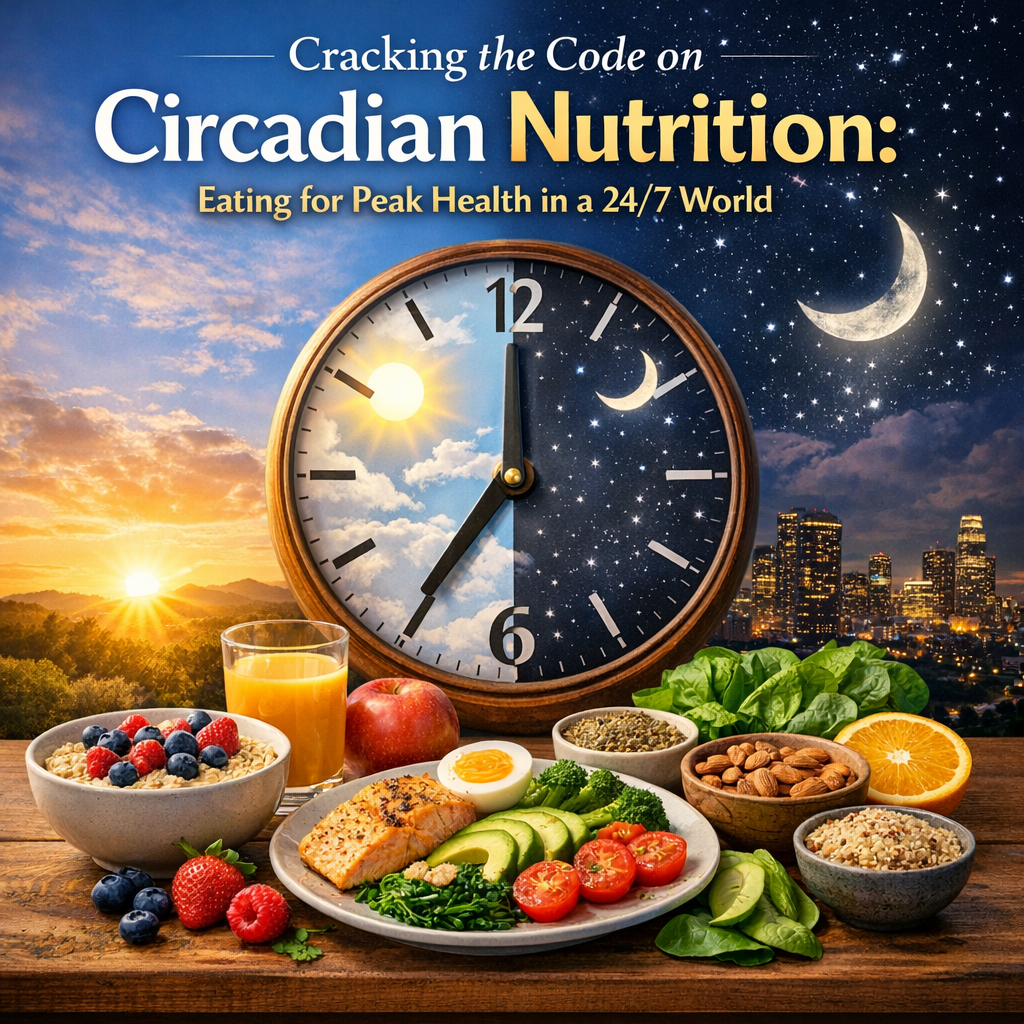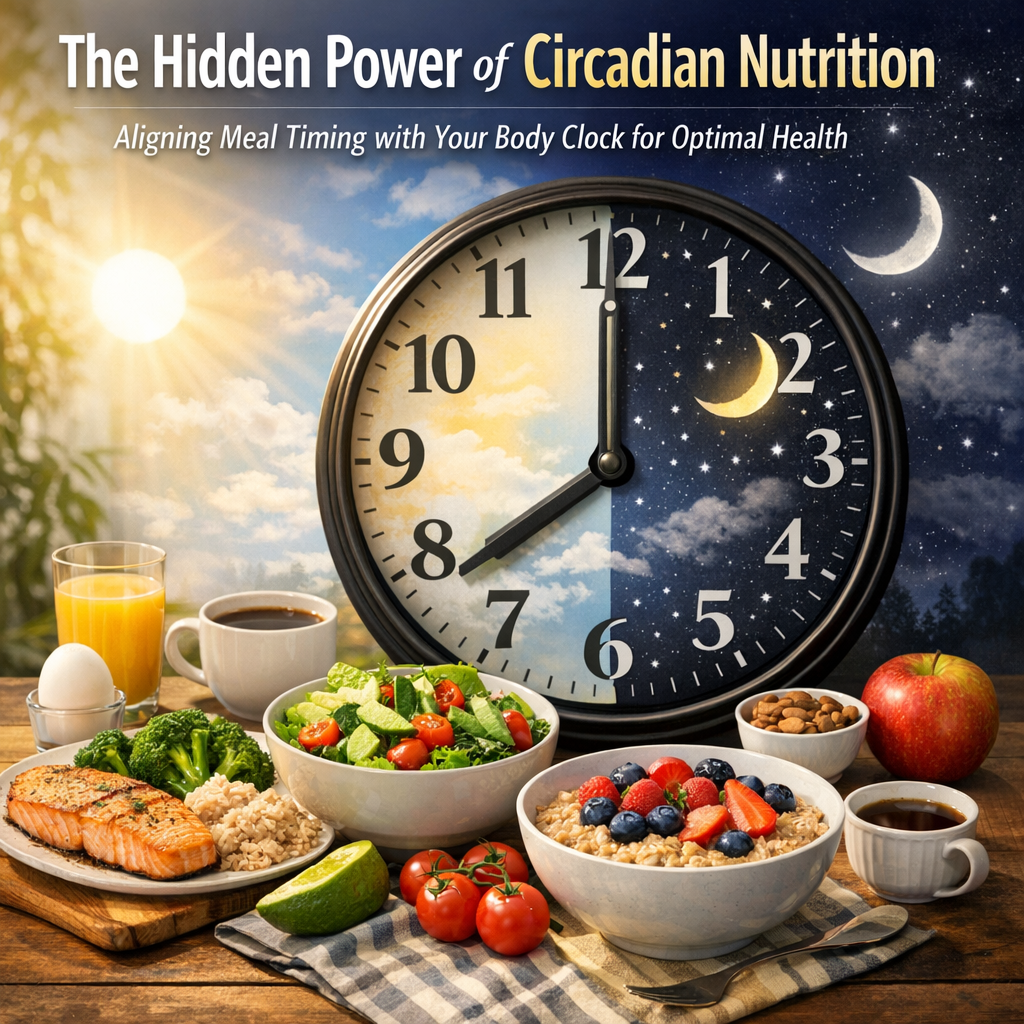
The Hidden Power of Circadian Nutrition: Aligning Meal Timing with Your Body Clock for Optimal Health
Introduction
In today’s fast-paced world, the concept of health and nutrition is continually evolving, with new research uncovering the intricate interplay between our lifestyle habits and physical well-being. One of the most fascinating areas gaining traction is circadian nutrition, a discipline focused on aligning meal timing with our body’s natural circadian rhythms to optimize health. Circadian rhythms are 24-hour cycles in our body’s biological processes, influenced by light and darkness in our environment. They govern sleep-wake cycles, hormone release, and even digestion.
The growing interest in circadian nutrition stems from the realization that “when” we eat might be just as crucial as “what” we eat. Traditional nutrition emphasizes the quality and quantity of food, but what if the time you consume a meal significantly impacts your metabolism and overall health? This is where circadian nutrition comes into play, transforming our understanding of effective dietary practices.
In recent years, researchers have investigated how aligning our eating patterns with our circadian rhythms can support better metabolism, weight management, energy levels, and even mental clarity. Our bodies are biologically programmed to follow these rhythms, and disturbances, such as irregular meal times and late-night eating, can potentially lead to various health issues, including metabolic disorders.
For example, eating late at night can disrupt our body’s ability to process sugar effectively, leading to increased fat storage and, eventually, insulin resistance. Meanwhile, consuming meals according to our natural body clock can enhance digestion and nutrient absorption. Forward-thinking health enthusiasts and medical experts alike see this as an opportunity to maximize health benefits beyond the conventional focus on dietary components alone.
Embracing circadian nutrition could mean setting regular meal times during daylight hours and limiting late-night snacking, thus aligning eating habits with our natural metabolic processes. This novel approach promises a non-invasive, natural path to improved health, potentially reducing reliance on medications or complex dietary regimens. As we delve further, we will explore supporting studies and practical implementations, providing a comprehensive understanding of how circadian nutrition can serve as a natural treatment methodology.
Features
Recent studies have illuminated the connections between meal timing, circadian rhythms, and health outcomes. A pivotal study published in [Cell Metabolism](https://www.cell.com/cell-metabolism) examined the benefits of time-restricted feeding in mice, which showed that confining eating to an 8-12 hour window improved metabolic health, reduced body weight, and enhanced resilience against various diseases.
Further human studies have echoed these findings. A randomized controlled trial published in the [Journal of Clinical Endocrinology & Metabolism](https://academic.oup.com/jcem) reported that participants who ate their meals within a consistent daytime window experienced improved insulin sensitivity and reduced hunger levels, contributing to more effective weight management.
Moreover, circadian nutrition can significantly affect our mental health. Researchers from the University of Alabama found that time-restricted feeding reduced symptoms of depression and anxiety among participants. This correlation emphasizes the crucial role of aligning eating patterns with circadian rhythms in maintaining mental well-being. Another significant piece of research published in [Nature Reviews Endocrinology](https://www.nature.com/nrendo) highlighted how misaligned eating patterns could exacerbate mood disorders, influencing hormone levels like cortisol and melatonin that are pivotal in mood regulation.
These studies indicate not only the potential of circadian nutrition in ameliorating physical health issues but also its positive impact on mental health. Notably, healthcare professionals advocate for broader adoption of circadian nutrition principles, suggesting that patients adhere to a routine mealtime schedule that coincides with daylight hours, aligning with our ancestors’ natural eating patterns.
In essence, circadian nutrition encourages a holistic lifestyle approach, with practical applications extending beyond just diet. It intersects with better sleep hygiene, stress management, and an overall balanced lifestyle. The evidence suggests that even subtle adjustments, like having a hearty breakfast and a lighter dinner or ceasing food intake after sundown, can yield significant health benefits.
Conclusion
The integration of circadian nutrition into daily routines has the potential to revolutionize the way we manage our health naturally. By simply aligning our meal timing with our body’s natural circadian rhythms, we could improve metabolic health, enhance mental clarity, and stabilize mood. This holistic approach to wellness acknowledges our body’s innate biological processes, offering a promising pathway towards a healthier life without the sole reliance on dietary restrictions or pharmaceutical interventions.
Ultimately, circadian nutrition is not merely about the clock but about rebooting our relationship with food and our bodies. It is a powerful reminder of our connection to nature and how, by respecting our natural biological rhythms, we can unlock unprecedented health benefits.
By embracing the principles of circadian nutrition, we can foster a deeper understanding of our body’s metabolic needs, creating a rhythm that harmonizes with nature and supports vibrant health and well-being. As we continue to learn from ongoing research, the importance of aligning our daily habits with our internal clocks will likely become an essential component of modern health strategies.
Summary
Circadian nutrition focuses on aligning meal timing with the body’s natural circadian rhythms to optimize health. Emerging research highlights the potential benefits of this approach, including improved metabolism, weight management, mental health, and mood stability. By adhering to regular meal times that coincide with daylight hours, one can enhance overall well-being, potentially reducing reliance on medications and complex dietary regimens. Circadian nutrition paves the way for a holistic lifestyle approach, emphasizing the importance of our connection to natural biological rhythms in achieving optimal health outcomes.

Dominic E. is a passionate filmmaker navigating the exciting intersection of art and science. By day, he delves into the complexities of the human body as a full-time medical writer, meticulously translating intricate medical concepts into accessible and engaging narratives. By night, he explores the boundless realm of cinematic storytelling, crafting narratives that evoke emotion and challenge perspectives.
Film Student and Full-time Medical Writer for ContentVendor.com