Harnessing Nutrigenomics: How Your DNA Can Guide Clinical Nutrition Strategies for Optimal Health
Introduction
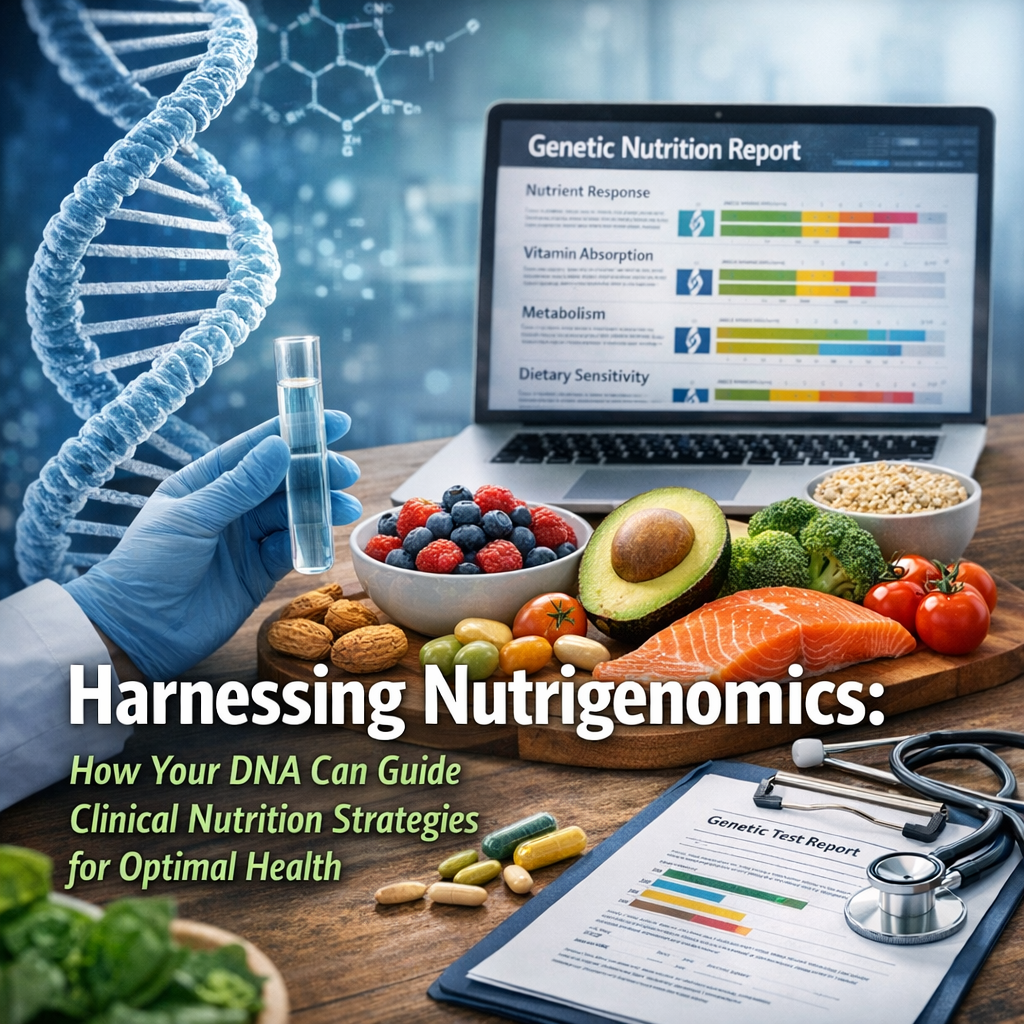
In a world where personalized medicine is rapidly advancing, nutrigenomics stands out as a pivotal scientific development. If you’ve ever wondered why the diet that works for your friend doesn’t produce the same results for you, the answer may lie in your genes. Nutrigenomics is the study of how genetic makeup influences our responses to nutrients and vice versa. This intersection of genomics and nutrition is shaping the future of clinical nutrition strategies, enabling a more customized approach to diet and health.
The core promise of nutrigenomics is that our DNA holds the key to optimizing our diets in ways that promote health and prevent disease. By understanding individual genetic variations, it is possible to pinpoint which nutrients and dietary patterns can work best for us. This tailored nutritional approach can address issues such as metabolism efficiency, fat storage, vitamin and mineral utilization, and other specialized needs like detoxification processes and oxidative stress resilience.
In recent years, the surge in at-home DNA test kits has brought personalized genetic information to the masses, further igniting interest in nutrigenomics applications. Several companies now offer tests that analyze genetic markers to guide dietary choices, suggesting everything from macronutrient ratios to specific vitamin needs. While still an emerging field, nutrigenomics has the potential to revolutionize our understanding of nutrition and lead to groundbreaking strategies for enhancing well-being.
However, it’s important to recognize the evolving nature of this science. The field is young, and not all genetic links to nutrition are fully understood. This complexity necessitates an approach that combines genetic insights with professional guidance for truly effective nutritional strategies.
Features
Numerous professional and medical studies have laid the groundwork for the practical application of nutrigenomics. A significant study published in the journal [*Cell*](https://www.cell.com) explored how genetic variations affect responses to dietary cholesterol. The findings suggest specific gene-diet interactions can lead to varying blood cholesterol levels based on dietary intake, underscoring the need for personalized dietary guidelines.
Another compelling study published in [*Nature Reviews Genetics*](https://www.nature.com) examined nutrigenomics’ role in obesity, identifying several genetic markers linked to metabolic pathways that influence weight gain and loss. Understanding these markers allows for more targeted interventions, emphasizing the role of specific nutrients and exercises tailored to an individual’s genetic profile.
Moreover, an article in the [*American Journal of Clinical Nutrition*](https://academic.oup.com/ajcn) highlighted the promising role of nutrigenomics in managing chronic diseases such as diabetes and cardiovascular conditions. Researchers demonstrated that certain genetic predispositions could either exacerbate or mitigate risks associated with high-fat diets, advocating for individualized preventive nutritional strategies.
These studies illustrate nutrigenomics’ potential to transform clinical nutrition. By identifying genetic variants affecting nutrient metabolism and absorption, scientists are unraveling the complex puzzle of human nutrition, paving the way for individualized dietary advice that can significantly improve health outcomes.
Conclusion
Nutrigenomics has the potential to redefine how we approach nutrition, offering a personalized blueprint for dietary choices based on unique genetic makeup. As the science evolves, it promises not only a deeper understanding of the intricate relationship between genes and nutrients but also the development of personalized interventions aimed at optimizing health and preventing disease. While still emerging, with more research and standardization needed, its promise makes it a cornerstone of future clinical nutrition strategies. By embracing this genetic insight, we are moving towards personalized diet and health, leading to a healthier population capable of making informed nutritional decisions.
As with any emerging field, it is crucial to approach nutrigenomics with a balance of enthusiasm and caution, ensuring recommendations are grounded in reliable science. By collaborating with healthcare professionals and leveraging cutting-edge research, we can harness the power of DNA to guide nutritional strategies that support optimal health and longevity.
Concise Summary
Nutrigenomics explores the relationship between genes and nutrients, offering a personalized approach to nutrition that can optimize health and prevent disease. By analyzing genetic variations, nutrigenomics tailors diets to individual needs, addressing various health factors such as metabolism and chronic disease management. Recent studies underscore the potential of this science to transform clinical nutrition. While still evolving, nutrigenomics promises a future where dietary choices are informed by DNA, enhancing personalized healthcare. It requires collaboration with healthcare professionals to ensure reliable and effective nutritional strategies as the field grows.

Dominic E. is a passionate filmmaker navigating the exciting intersection of art and science. By day, he delves into the complexities of the human body as a full-time medical writer, meticulously translating intricate medical concepts into accessible and engaging narratives. By night, he explores the boundless realm of cinematic storytelling, crafting narratives that evoke emotion and challenge perspectives.
Film Student and Full-time Medical Writer for ContentVendor.com