Exploring Nutritional “Shadow Ingredients”: Uncover Hidden Enemies in Your Diet and Transform Your Health Approach
Introduction
In an era where health-consciousness is at an all-time high, consumers are more vigilant than ever about what they eat. Labels like “organic,” “non-GMO,” and “gluten-free” feature prominently on grocery store shelves, all promising a healthier life. However, lurking beneath these reassuring labels are “shadow ingredients” that could be sabotaging your efforts to live a healthier lifestyle.
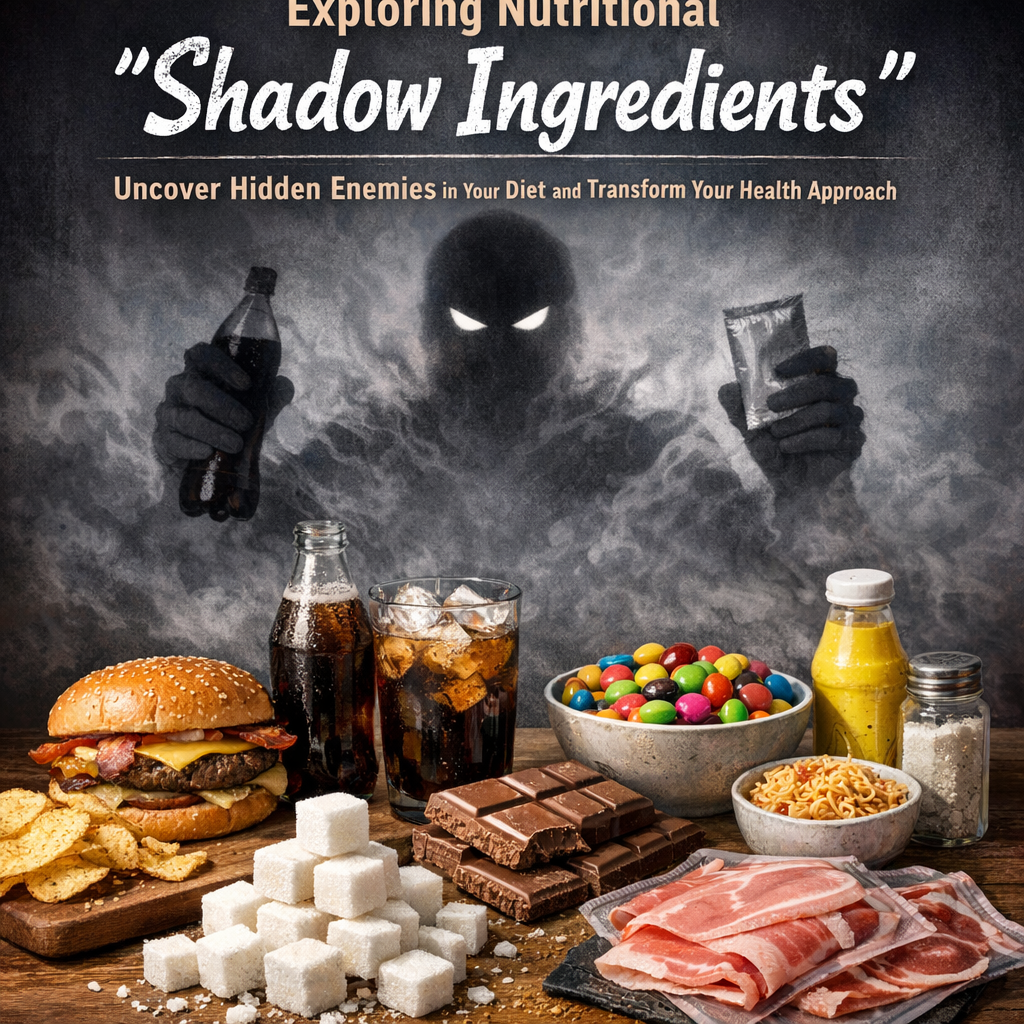
Shadow ingredients are non-essential components often added to foods for various reasons such as preservation, taste enhancement, or appearance improvement. They may be present in trace amounts, but their cumulative effect can significantly impact health. Preservatives like sodium benzoate, colorants like Yellow 5, and sweeteners like high fructose corn syrup are examples of these hidden enemies.
Imagine attempting to manage your weight, reduce inflammation, or maintain steady blood sugar levels, only to find that your diet contains elements that undermine these goals. The disconnect between the perceived value of a food product and its actual nutritional quality often stems from these elusive ingredients. Consumers, swept up in the powerful marketing of “health foods,” continue to buy products that may contain potentially troublesome compounds.
Why should we be concerned? For one, certain preservatives and artificial additives have been linked to various negative health outcomes, including allergies, hyperactivity in children, and even cancer. These ingredients disrupt natural bodily processes, potentially making chronic health conditions worse or harder to manage. The subtlety of their presence makes them easy to overlook, but ignorance is not bliss when it comes to health.
It’s not just about counting calories or cutting carbs; understanding the intricate landscape of what we consume can arm us with the information needed to make truly informed dietary choices. Identifying and eliminating shadow ingredients could be the key to unlocking a healthier you, transforming your diet from a potential minefield to a sanctuary of beneficial nutrition.
Features
Numerous professional studies have been conducted to understand the impact of shadow ingredients on health. One notable study from the [University of Southampton](https://pubmed.ncbi.nlm.nih.gov/17805420/) found a link between artificial food colorings and hyperactivity in children. Conducted in 2007, it investigated the behavior of children consuming drinks with a mix of artificial colors and the preservative sodium benzoate. The findings prompted a re-evaluation of the safety of these additives, leading to better risk assessments and changes in food labeling in the EU.
Aspartame, a widely used artificial sweetener, is another contentious shadow ingredient. Research published in the journal [*Food and Chemical Toxicology*](https://doi.org/10.1016/j.fct.2007.02.024) indicates that aspartame may have health repercussions. Despite being approved by numerous health organizations as safe for human consumption, some studies suggest potential links to headaches, migraines, and even neurological effects. While the data is mixed, this highlights the need for ongoing vigilance and research.
High fructose corn syrup is perhaps one of the most pervasive shadow ingredients commonly hidden in processed foods. A study published in the [*American Journal of Clinical Nutrition*](https://academic.oup.com/ajcn/article/79/4/537/4690125) notes its link to obesity and insulin resistance, primarily because of how it is metabolized differently compared to glucose. The study points out that this sugar substitute, used for its cost-effectiveness and ability to prolong shelf life, may contribute to metabolic disorders, a finding supported by a substantial body of evidence.
Hydrogenated oils, containing trans fats, have been under scrutiny for decades due to their link with cardiovascular illnesses. Even low levels have been found to increase the risk of heart disease—a conclusion drawn from various [meta-analyses](https://www.hsph.harvard.edu/nutritionsource/transfats/). These oils may hide in baked goods, margarine, and snacks, making it critical for consumers to read labels thoroughly.
Conclusion
The journey to optimal health involves unmasking the hidden villains in our diets—those shadow ingredients lurking in seemingly innocuous food products. Recognizing these often-overlooked contributors to adverse health outcomes is crucial as we strive to maintain balanced diets that genuinely promote well-being. By understanding the potential risks associated with preservatives, artificial additives, and other covert components in our foods, we empower ourselves to make informed choices. Redefining our eating habits with a focus on transparency and awareness allows us to embrace a nutritional approach that supports overall health and vitality.
As consumers, advocating for clearer labeling, demanding quality options, and prioritizing whole, unprocessed foods can catalyze transformative change not only in individual health but in industry practices as well. This consciousness and awareness portend a promising future where food serves its ultimate purpose: nourishing our bodies predictably and safely. Embrace this knowledge, and let it guide you in your quest for a healthier lifestyle free from the shadow of hidden ingredients.
Concise Summary
Hidden and non-essential “shadow ingredients” like preservatives, artificial additives, and sweeteners may undermine your health despite the “health food” labels. These may be linked to health issues like obesity, hyperactivity in children, and metabolic disorders. Studies suggest vigilant reading of labels and choosing whole, unprocessed foods. Critical ingredients like sodium benzoate, aspartame, and high fructose corn syrup should be identified and minimized in our diets. By doing so, consumers can advocate for transparency in food labeling and industry practices, ensuring their diet supports overall health and wellness.

Dominic E. is a passionate filmmaker navigating the exciting intersection of art and science. By day, he delves into the complexities of the human body as a full-time medical writer, meticulously translating intricate medical concepts into accessible and engaging narratives. By night, he explores the boundless realm of cinematic storytelling, crafting narratives that evoke emotion and challenge perspectives.
Film Student and Full-time Medical Writer for ContentVendor.com