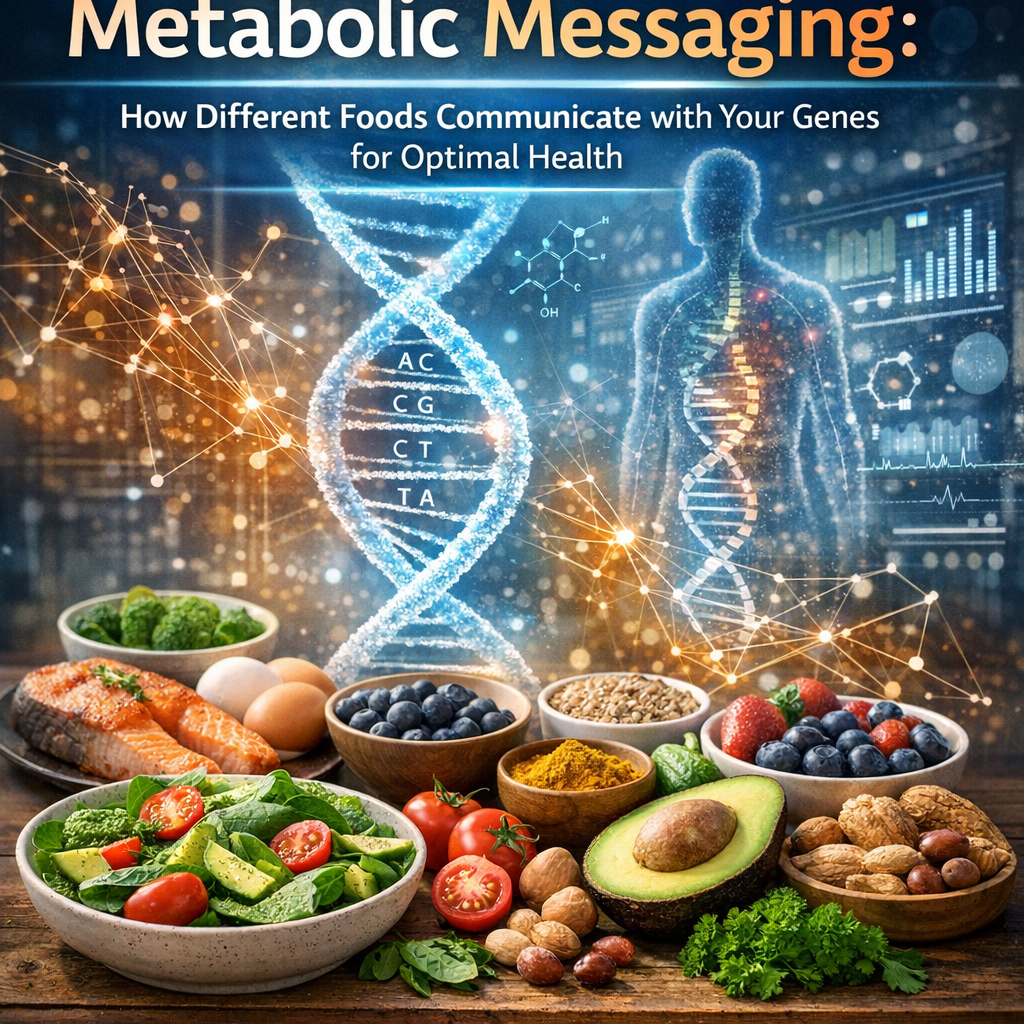
Decoding Metabolic Messaging: How Different Foods Communicate with Your Genes for Optimal Health
In the age of precision nutrition, understanding how different foods interact with our genomes is a cutting-edge area of science that offers transformative potential for health and wellness. Imagine your body as a complex orchestra, where food serves as the conductor influencing the harmony of genetic expression. This concept, often described as “nutrigenomics,” explores how dietary components communicate with our genes, affecting metabolism, immunity, and overall physiology. This burgeoning field confirms the ancient belief that food is medicine, but with the added nuance of genetic individuality.
The connection between diet and genetic expression is not limited to weight management or preventing disease; it extends to optimizing cognitive function, enhancing longevity, and personalizing dietary recommendations to match your genetic makeup. As consumers increasingly seek natural, homeopathic, and herbal treatments, understanding the language of food provides a keystone to natural health management. For instance, foods rich in polyphenols, such as berries and dark chocolate, have been shown to influence gene expression related to inflammation and immune response. Similarly, fatty acids found in fish, walnuts, and flaxseeds can modulate genes affecting metabolism and weight regulation.
The advent of DNA testing for dietary guidance is making personalized nutrition accessible to a broader audience, empowering individuals with tailored advice on which foods may best suit their unique genetic profiles. As more people embrace this personalized approach, the demand for genetic understanding in connection with food choices grows, reflecting a broader movement toward holistic health.
Nutrigenomics challenges the conventional one-size-fits-all dietary guidelines by highlighting the metabolic pathways influenced by our genetic predispositions. This pioneering approach also underscores the significance of bioactive compounds in foods, which can switch genes on or off, akin to dimming or brightening a light. Embracing this knowledge can potentially explain why certain diets work wonders for some but not others, demystifying the complex interplay between nature (our genes) and nurture (our environment).
Features: Scientific Insights into the Gene-Food Interplay
Several pivotal studies provide a deeper understanding of how specific foods communicate with our DNA, impacting health outcomes. One groundbreaking study published in the journal Nature demonstrated how compounds found in cruciferous vegetables, such as broccoli and Brussels sprouts, contain sulforaphane, a molecule that activates the Nrf2 pathway. This pathway helps regulate the body’s detoxification process and bolsters antioxidant defense mechanisms, providing a molecular basis for the protective effects of these vegetables against oxidative stress and inflammation.
Further research published in the American Journal of Clinical Nutrition emphasizes the influence of omega-3 fatty acids on gene expression. The study found that the consumption of fish oils modulates the expression of genes involved in inflammation, an insight that elucidates the cardiovascular health benefits of these nutrients. By reducing the activity of pro-inflammatory genes, omega-3 fatty acids help lower the risk of chronic inflammatory diseases, such as arthritis and heart disease.
Additionally, research featured in The Journal of Nutritional Biochemistry explored how curcumin, the active compound in turmeric, interacts with various cellular signaling pathways. Curcumin has been found to modulate the expression of genes associated with immune response, cancer cell death, and stress responses. This modulation is crucial for the anti-inflammatory and cancer-preventive properties attributed to turmeric, validating its centuries-old use in traditional medicine.
Recent advancements are also shedding light on how the gut microbiota, influenced by dietary choices, plays a role in genetic expression. According to findings in Cell Metabolism, the gut microbiome can mediate the effects of diet on genes that regulate metabolism and obesity, indicating a profound two-way communication between diet, gut health, and gene expression.
These insights are compelling not only for their immediate relevance but also for their longer-term implications in the development of personalized dietary interventions designed to optimize individual health outcomes.
Conclusion: Harnessing Dietary Influence for Genetic Harmony
The intricate dialogue between food and our genes is an empowering aspect of modern health science. As nutrigenomics knowledge expands, it offers practical pathways to harness the natural potential of foods for health optimization tailored to our genetic blueprint. By embracing this science, individuals can make informed food choices that align with their unique genetic profiles, fostering better health outcomes.
As we continue to decode the metabolic messages in our diets, the future of health resides not just in the nutrients we consume but in how those nutrients speak to our very DNA. Whether through increasing the intake of omega-3 fatty acids, incorporating antioxidant-rich fruits and vegetables, or leveraging the traditional wisdom of herbal remedies, the possibilities are expansive. By integrating these insights into daily life, we can move towards a future where natural, personalized health strategies prevail, offering hope for a new era of wellness attuned to genetic individuality.
Concise Summary:
Nutrigenomics explores how food interacts with our genes, impacting health and wellness. Foods rich in polyphenols and fatty acids modulate gene expression, influencing metabolism and immunity. Advances in DNA testing enable personalized nutrition, challenging traditional dietary guidelines. Studies highlight the beneficial impact of sulforaphane in cruciferous vegetables, omega-3 fatty acids, and curcumin on gene expression, supporting their health benefits. The gut microbiota also plays a role in genetic communication, affecting metabolism and obesity. Understanding food-gene interactions empowers individuals to make informed dietary choices for optimal, personalized health outcomes.

Dominic E. is a passionate filmmaker navigating the exciting intersection of art and science. By day, he delves into the complexities of the human body as a full-time medical writer, meticulously translating intricate medical concepts into accessible and engaging narratives. By night, he explores the boundless realm of cinematic storytelling, crafting narratives that evoke emotion and challenge perspectives.
Film Student and Full-time Medical Writer for ContentVendor.com