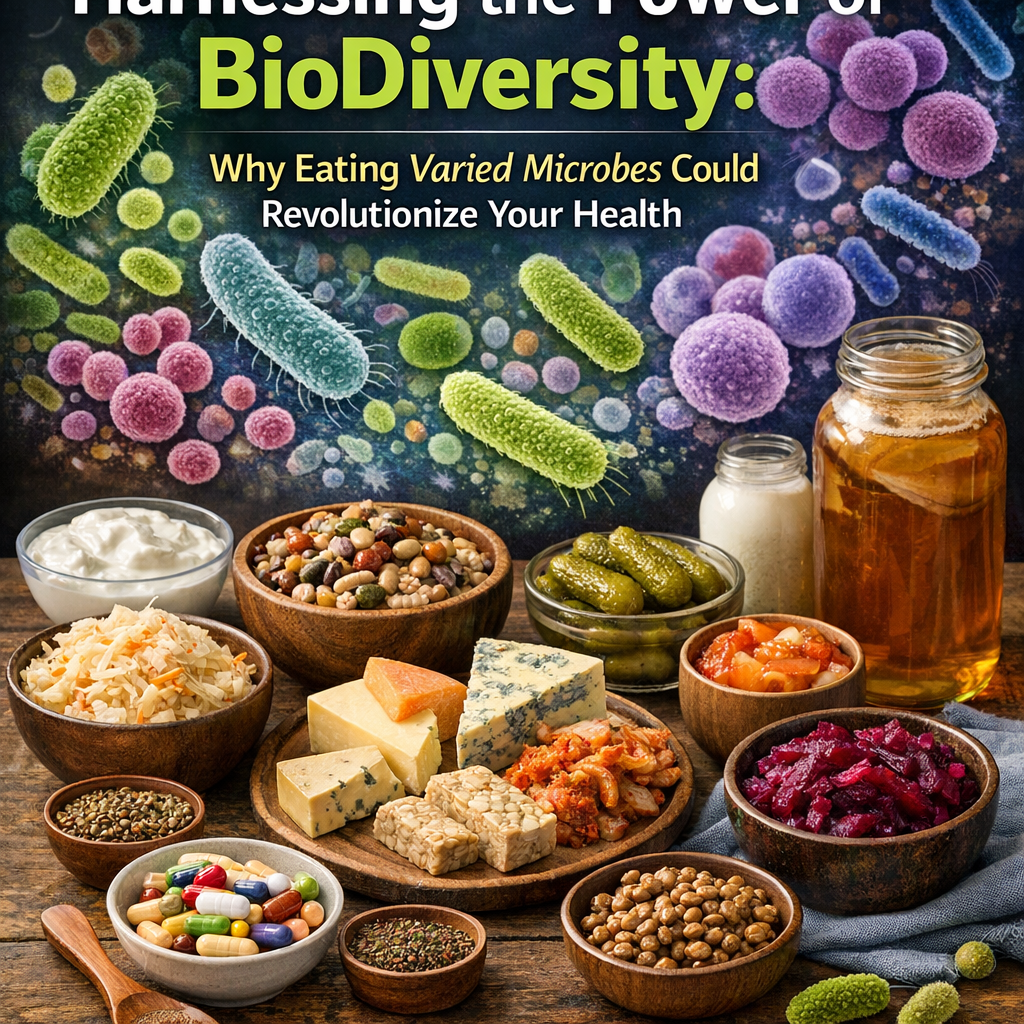
Harnessing the Power of BioDiversity: Why Eating Varied Microbes Could Revolutionize Your Health
Introduction
In an age dominated by unprecedented technological advancements and ever-evolving healthcare practices, a return to our roots may hold the key to revolutionary health benefits. Our bodies house a vast and complex community of microorganisms, commonly referred to as the microbiome. This intricate ecosystem, primarily located in our gut, plays a pivotal role in various aspects of our health, from digestion and immunity to mental well-being. Recent research emphasizes the importance of biodiversity within our microbiome for maintaining optimal health.
While the mere idea of consuming microbes might initially seem unappealing, it’s becoming increasingly clear that introducing a wider array of beneficial bacteria into our diets could significantly impact our well-being. A growing body of evidence suggests that the diversity of our gut microbiota is closely linked to the prevention and management of various health conditions, including obesity, diabetes, and even mental health disorders. This understanding has propelled a new wave of interest in dietary practices that prioritize microbiome diversity, leading to innovative approaches that promise to revolutionize personal healthcare.
One of the primary ways to increase the diversity of our gut microbiota is through diet. Foods that are fermented or contain natural probiotics, such as yogurt, sauerkraut, kefir, and kombucha, are rich in beneficial bacteria and can contribute to a more diverse microbial community within the gut. Furthermore, a diet rich in fiber from fruits, vegetables, and whole grains provides essential nutrients that foster the growth and flourishing of these beneficial microbes.
As we delve deeper into the fascinating world of microbiomes, researchers have started to explore the relationship between our gut flora and traditionally sourced natural remedies. Herbal treatments and homeopathic solutions, long known for their health-giving properties, are now being examined for their potential in enriching the gut microbiome. This intersection of traditional wisdom and modern science presents exciting opportunities to redefine our understanding of health and wellness, ultimately empowering individuals to harness the power of biodiversity through thoughtful dietary choices.
Features
Research into the role of the microbiome in overall health has expanded significantly over the past decade. A pivotal study published in the journal Nature established a connection between microbiota diversity and health outcomes, revealing that individuals with high microbial diversity have a lower risk of obesity, diabetes, and cardiovascular diseases. This study underscores the critical role that dietary interventions can play in manipulating the gut microbiome to support better health.
Another important study, published in Science Translational Medicine, explored the influence of probiotics on mental health, finding that certain strains of bacteria could help alleviate symptoms of depression and anxiety. This research highlights the potential of microbial diversity as a complementary approach to traditional mental health treatments and opens up exciting possibilities for holistic and integrative healthcare strategies.
Additionally, a review in the journal Frontiers in Microbiology examined the effects of fermented foods on gut health, noting that regular consumption of these foods can increase microbial diversity and improve digestion and immune function. Fermented foods, with their rich probiotic content, offer an accessible and natural means to enhance the diversity of one’s microbiome and promote overall wellness.
Herbal treatments are also emerging as powerful allies in the quest for greater microbiome diversity. Plants like garlic, ginger, and turmeric have been shown to have prebiotic effects, fostering the growth of beneficial bacteria in the gut. The Journal of Ethnopharmacology provides compelling evidence of how these natural products can positively impact gut flora diversity and potentially improve health outcomes.
Conclusion
The growing understanding of the human microbiome and its influence over various aspects of health is a testament to the power of biodiversity. Embracing dietary diversity through the inclusion of fermented foods, probiotics, and herbal treatments can help revolutionize health by fostering a thriving microbial ecosystem within our bodies. By leveraging the synergy between traditional wisdom and cutting-edge science, individuals can forge a path toward enhanced well-being and resilience against modern health challenges.
This journey toward optimizing microbiome diversity is a reminder of the intricate relationships that exist within our bodies and the world around us. As we continue to uncover the mysteries of our microbial counterparts, the promise of a healthier future achieved through natural means becomes ever more attainable. It’s time to cherish and cultivate this newfound knowledge, reimagining what it means to nurture both our bodies and our health.
Concise Summary
Understanding the microbiome’s significance, particularly the gut, could revolutionize health through dietary diversity. Consuming fermented foods and probiotics enhances microbial diversity linked to preventing obesity, diabetes, and mental health disorders. Studies in *Nature* and *Science Translational Medicine* highlight these benefits. Herbal remedies also boost beneficial bacteria, offering holistic health improvements. Science and traditional practices can empower individuals to enhance well-being naturally through varied dietary choices.

Dominic E. is a passionate filmmaker navigating the exciting intersection of art and science. By day, he delves into the complexities of the human body as a full-time medical writer, meticulously translating intricate medical concepts into accessible and engaging narratives. By night, he explores the boundless realm of cinematic storytelling, crafting narratives that evoke emotion and challenge perspectives.
Film Student and Full-time Medical Writer for ContentVendor.com