Is Personalized Nutritional Genomics the Key to Unlocking Metabolic Harmony and Disease Prevention?
Topic Introduction:
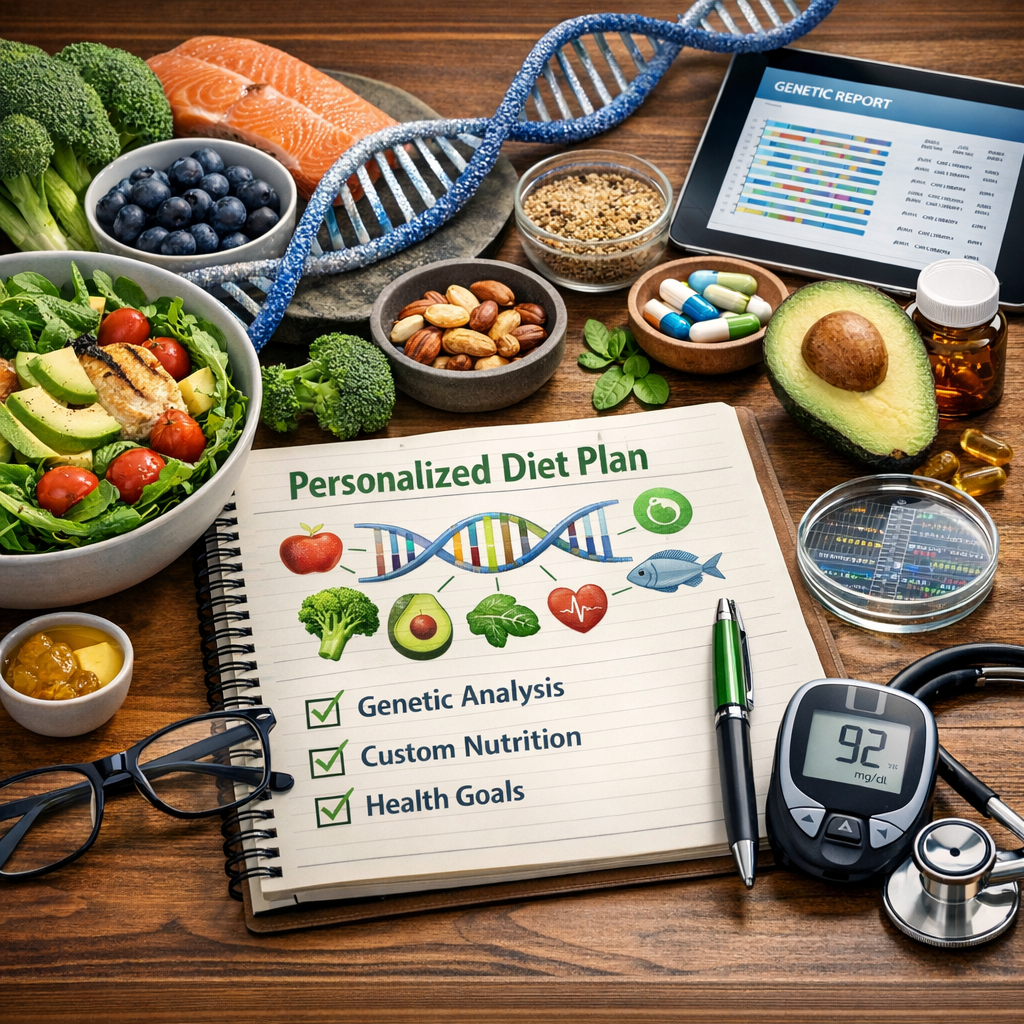
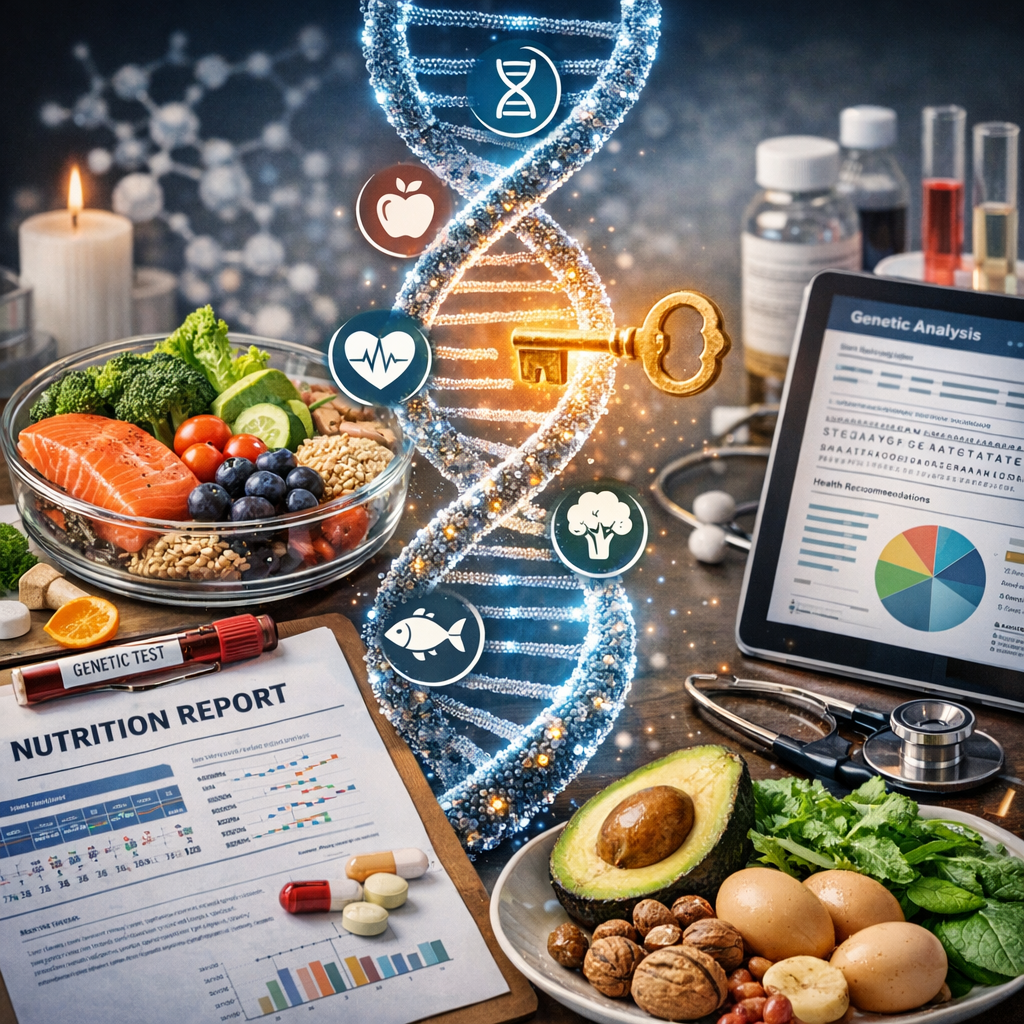
In the quest for optimal health, personalized nutritional genomics has emerged as a revolutionary approach, potentially transforming the way we understand nutrition and its impact on our health. At the heart of this cutting-edge field is the integration of genomics — the study of an individual’s complete set of DNA, including all of its genes — with nutritional science. By analyzing specific genetic variants, personalized nutritional genomics aims to tailor dietary recommendations to fit an individual’s unique genetic make-up, effectively creating a bespoke roadmap for nutritional health.
The foundational premise of personalized nutritional genomics is that genetic differences can influence how we metabolize nutrients, respond to various diets, and predispose us to certain diseases. This paradigm shift from a one-size-fits-all approach to a more individual-focused strategy is particularly compelling in today’s wellness landscape, where people are increasingly seeking out diets and lifestyle changes that promise better health outcomes.
For instance, consider the common MTHFR gene variant that affects folate metabolism. Individuals with certain variations of this gene might need higher levels of folate to reduce their risk of cardiovascular issues and other health concerns. Similarly, variations in the FTO gene have been associated with obesity susceptibility, potentially influencing how one might respond to different dietary fat compositions. These examples highlight how genetic insights can inform personalized dietary recommendations, fostering improved health and prevention of diseases.
Moreover, rising healthcare costs and the global burden of chronic diseases underscore the importance of preventative health measures. As such, personalized nutritional genomics holds promise not only for enhancing individual well-being but also for contributing to public health initiatives. By providing customized dietary guidance based on one’s genetic predispositions, this approach could help mitigate the risks associated with lifestyle-related illnesses such as obesity, diabetes, and cardiovascular diseases.
Features:
Recent advancements in genomic research have paved the way for personalized nutritional genomics to become a focal point in preventive medicine. Several professional and medical studies underscore the potential of this approach in enhancing metabolic harmony and preventing diseases.
A pivotal study published in the *Journal of Nutrition* examined the impact of personalized nutritional interventions based on genotypic data. Researchers found that participants who received diet plans tailored to their genetic profiles reported more significant improvements in dietary compliance and biomarkers of health compared to those following standard dietary guidelines. The study suggests that personalized nutritional interventions may motivate individuals to adhere more strictly to dietary changes, given the clear, science-backed rationale linked to their genetic disposition.
In another notable study, the European Nutrigenomics Organization (NuGO) conducted a multi-country research project to investigate the effects of genetic makeup on nutrient metabolism. The findings revealed significant associations between certain gene-diet interactions and metabolic markers of health, including lipid profiles and glucose metabolism. This study indicates that personalized nutritional advice can potentially modify disease risk factors and enhance metabolic outcomes based on individual genetic profiles.
Furthermore, a comprehensive review in *Nature Reviews Genetics* explored the relationship between genomics and nutritional science. This review highlighted the potential of personalized nutrition to influence key metabolic pathways, noting that genetic variations can significantly impact nutrient absorption, metabolism, and efficacy. Such insights reinforce the concept that personalized dietary interventions could be instrumental in disease prevention and health optimization.
The field of personalized nutritional genomics is also gaining traction in risk prediction and management for non-communicable diseases. Advances in genetic testing and bioinformatics are enabling more precise risk assessments, which could inform dietary recommendations aimed at minimizing disease triggers. This personalized approach supports the broader shift towards proactive health management, emphasizing prevention rather than treatment.
Conclusion:
In conclusion, personalized nutritional genomics represents a promising frontier in the realm of health optimization and disease prevention. By aligning dietary recommendations with genetic insights, this innovative approach can foster metabolic harmony and potentially mitigate the risk of chronic diseases. The evidence from various studies underscores the value of tailoring nutritional interventions to individual genetic profiles, providing a more effective and engaging strategy for achieving long-term health benefits.
As with any emerging field, personalized nutritional genomics requires ongoing research to fully understand the complex interactions between genes, diet, and health outcomes. Nonetheless, its potential to revolutionize personalized healthcare cannot be understated. As we move towards a more individualized approach to diet and nutrition, this field holds the key to unlocking new possibilities in preventive medicine and helping people lead healthier, more fulfilling lives.
Concise Summary
Personalized nutritional genomics is transforming how we approach diet and health by integrating genomic data with nutrition science. By analyzing genetic variants, this field tailors dietary recommendations to individual genetic profiles, potentially optimizing metabolic health and preventing diseases like obesity, diabetes, and cardiovascular conditions. Research shows personalized nutrition enhances dietary adherence and health markers compared to standard guidelines. While it offers revolutionary potential in preventive medicine, ongoing research is essential to fully understand gene-diet-health interactions. This personalized approach signifies a shift from treatment to prevention, heralding new possibilities in health management.

Dominic E. is a passionate filmmaker navigating the exciting intersection of art and science. By day, he delves into the complexities of the human body as a full-time medical writer, meticulously translating intricate medical concepts into accessible and engaging narratives. By night, he explores the boundless realm of cinematic storytelling, crafting narratives that evoke emotion and challenge perspectives.
Film Student and Full-time Medical Writer for ContentVendor.com