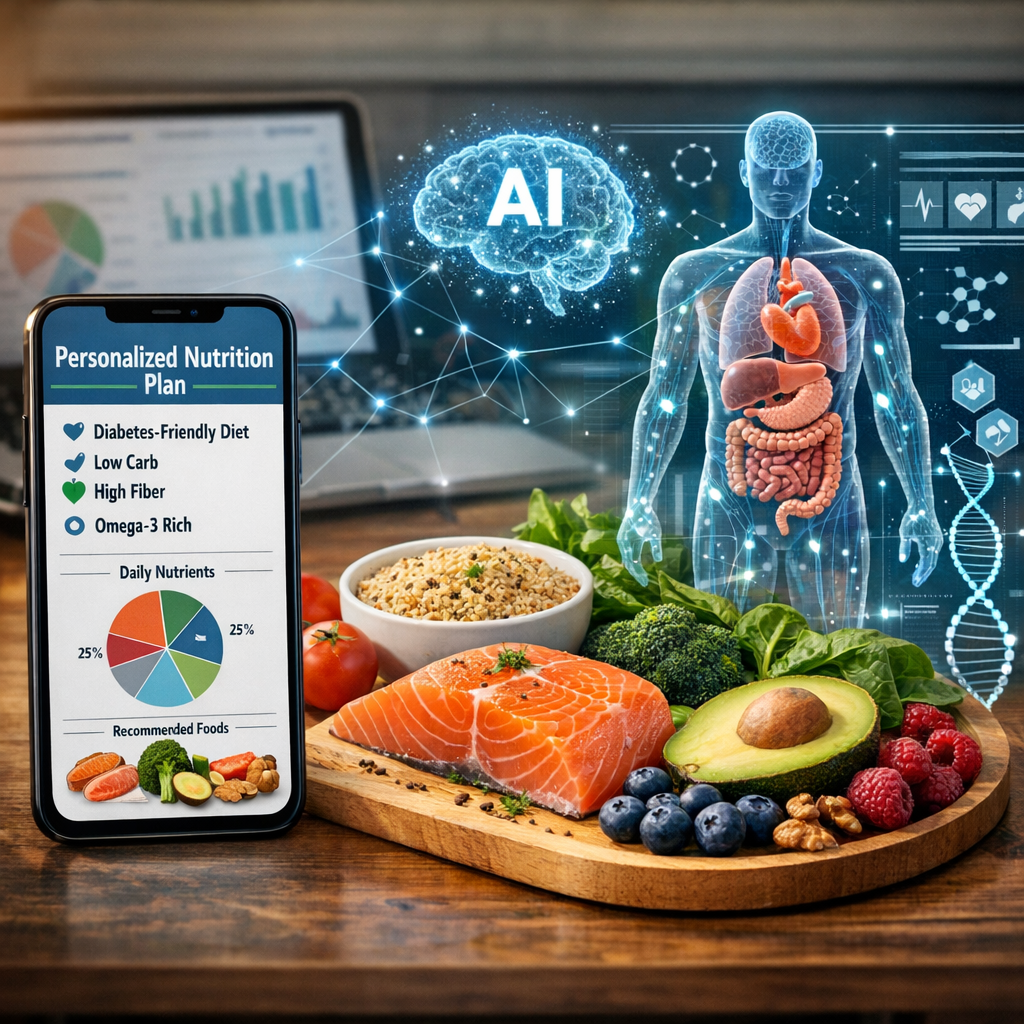
The Future of Personalized Nutrition: Harnessing AI to Craft Custom Diets That Tackle Chronic Conditions
Introduction
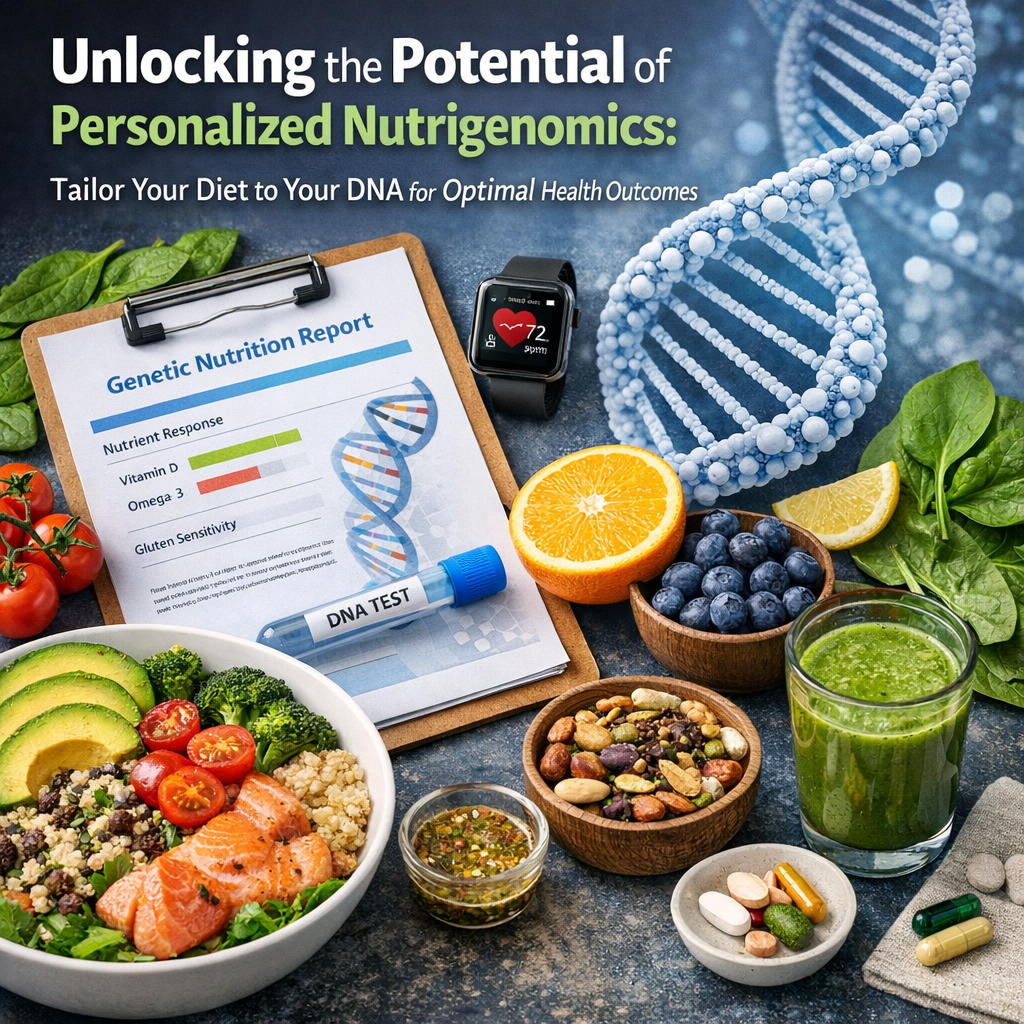
In recent years, the convergence of technology and healthcare has ushered in a new era of personalized medicine and nutrition. At the forefront of this transformation is the use of Artificial Intelligence (AI) to develop customized dietary plans tailored to an individual’s unique genetic makeup, lifestyle, and health needs. This revolutionary approach holds immense potential, particularly in tackling chronic conditions such as diabetes, heart disease, and obesity, which collectively affect millions worldwide.
Personalized nutrition represents a paradigm shift from traditional one-size-fits-all dietary guidelines. Instead, it seeks to optimize health by considering individual differences in genes, metabolism, and environmental factors. By leveraging AI, clinicians and nutritionists can now analyze vast datasets to identify patterns and connections that inform dietary recommendations. This analysis considers various parameters, including genetic predispositions, microbiome compositions, and lifestyle factors, enabling the creation of nutritional plans that are precisely calibrated to prevent, manage, or even reverse chronic ailments.
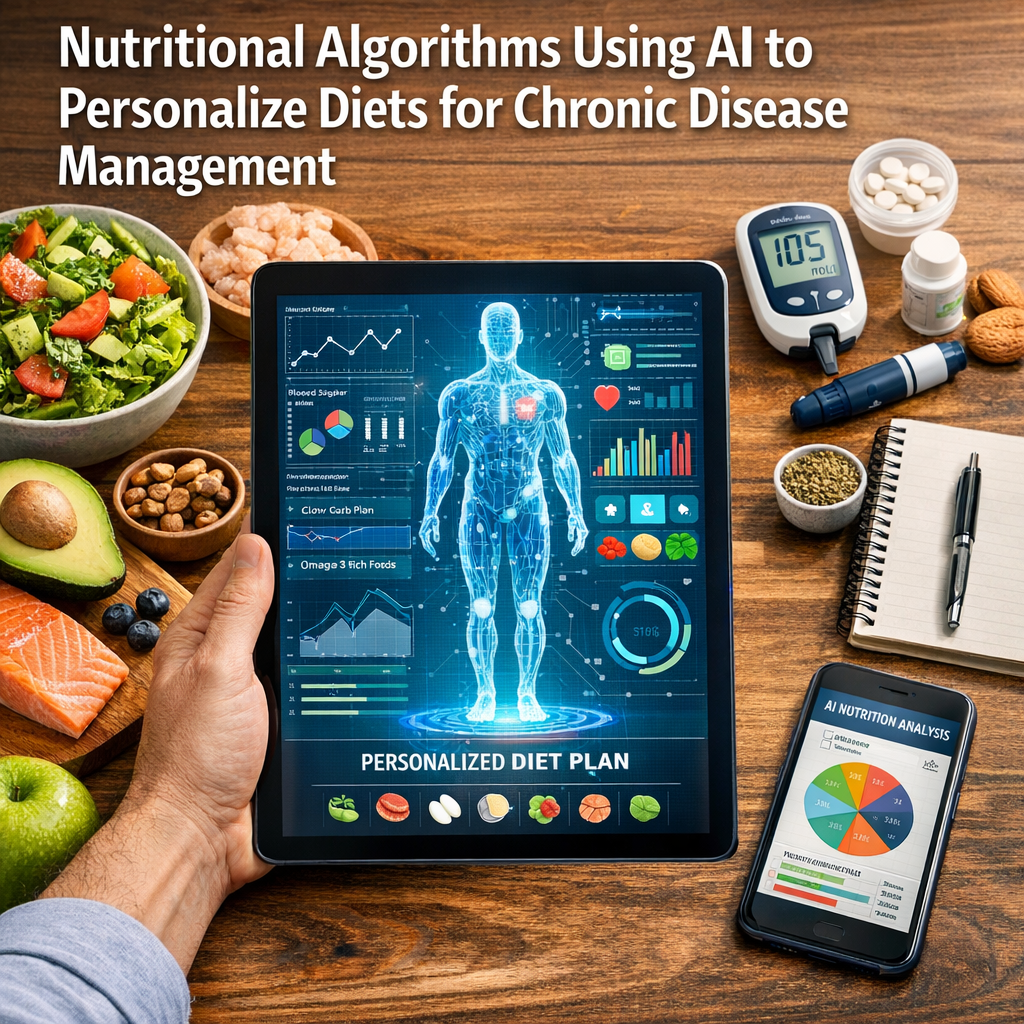
AI accomplishes this by processing and interpreting complex data sets faster and more accurately than human practitioners alone could achieve. Machine learning algorithms can mine genomics databases to predict an individual’s response to certain foods or supplements. By understanding these nuances, AI-driven nutritional recommendations can improve health outcomes such as blood sugar control in diabetics or cholesterol management in those with cardiovascular disease.
Moreover, AI’s ability to integrate real-time data from wearable health devices allows for continuous monitoring and adjustment of dietary plans. This responsiveness ensures that nutritional interventions can evolve alongside changing health metrics, providing a dynamic and adaptive approach to managing chronic conditions. As technology progresses, personalized nutrition is set to become an invaluable tool in the fight against chronic disease, promoting not only treatment but also prevention and overall wellness.
Features
Numerous studies have highlighted the potential of personalized nutrition powered by AI in effectively managing chronic conditions. For instance, a study published in the journal Nature explored how individual responses to dietary intake vary widely, even among people who consumed identical meals. The findings suggested that gut microbiome profiles could play a critical role in these differing responses, pointing to the potential for AI to customize diets based on personal microbiome analyses. [Nature Study](https://www.nature.com)
Another pioneering study by the American Diabetes Association utilized AI algorithms to predict individual glycemic responses to different foods among diabetes patients. Through this model, researchers could create precise dietary modifications leading to improved glucose control, thus reducing the patients’ dependency on medication. This approach considers food intake and integrates physical activity and lifestyle data, providing a holistic view of the patient’s health. [American Diabetes Association Study](https://diabetes.org)
In addition to conditions like diabetes, AI-driven nutrition shows promise in combating cardiovascular disease. A clinical trial published by the American Heart Association demonstrated that personalized diet plans, tailored using AI and patients’ genomic information, resulted in significant reductions in LDL cholesterol numbers, thus lowering the risk of heart-related complications. By targeting specific genetic markers, these diets offer an individualized approach far beyond conventional guidelines. [American Heart Association Study](https://heart.org)
The potential for AI-driven personalized nutrition extends beyond genetics and chronic disease management to broader areas of health and well-being. For instance, AI can assist in optimizing nutrition for athletes by pinpointing the optimal balance of macronutrients for enhanced performance and recovery. Furthermore, preliminary research indicates that genetic and biome-aware nutrition can be instrumental in managing mental health disorders such as depression through the careful selection of nutrients that impact neurotransmitter activity.
Conclusion
The integration of AI into personalized nutrition represents a groundbreaking advancement in our approach to chronic disease management. By tailoring dietary recommendations to the intricate patterns of individual biology and facilitating continuous adaptation through real-time data processing, AI makes it possible to not only manage but potentially revolutionize the prevention and treatment of chronic conditions. However, the successful implementation of AI in personalized nutrition requires ongoing collaboration between technologists, healthcare providers, and policymakers to ensure privacy, accuracy, and accessibility for all patients. As we look toward the future, the merging of artificial intelligence and personalized nutrition offers a hopeful vista—one where health is optimized for every individual, unlocking a new era of wellness in our increasingly complex world.
References:
1. [Nature Study](https://www.nature.com)
2. [American Diabetes Association Study](https://diabetes.org)
3. [American Heart Association Study](https://heart.org)
Concise Summary:
The integration of Artificial Intelligence in personalized nutrition marks a significant leap forward in managing chronic conditions like diabetes, heart disease, and obesity. By tailoring dietary plans based on individual genetic, metabolic, and lifestyle factors, AI can enhance health outcomes and provide a proactive approach to disease management and prevention. Studies have shown AI’s efficacy in optimizing diets, improving glucose control, reducing cholesterol, and even enhancing mental health. As technology evolves, AI-driven personalized nutrition is poised to become a crucial tool against chronic disease, promoting overall wellness and personalized health optimization.

Dominic E. is a passionate filmmaker navigating the exciting intersection of art and science. By day, he delves into the complexities of the human body as a full-time medical writer, meticulously translating intricate medical concepts into accessible and engaging narratives. By night, he explores the boundless realm of cinematic storytelling, crafting narratives that evoke emotion and challenge perspectives.
Film Student and Full-time Medical Writer for ContentVendor.com