The Food-Mood Connection: Navigating Clinical Nutrition for Emotional Resilience
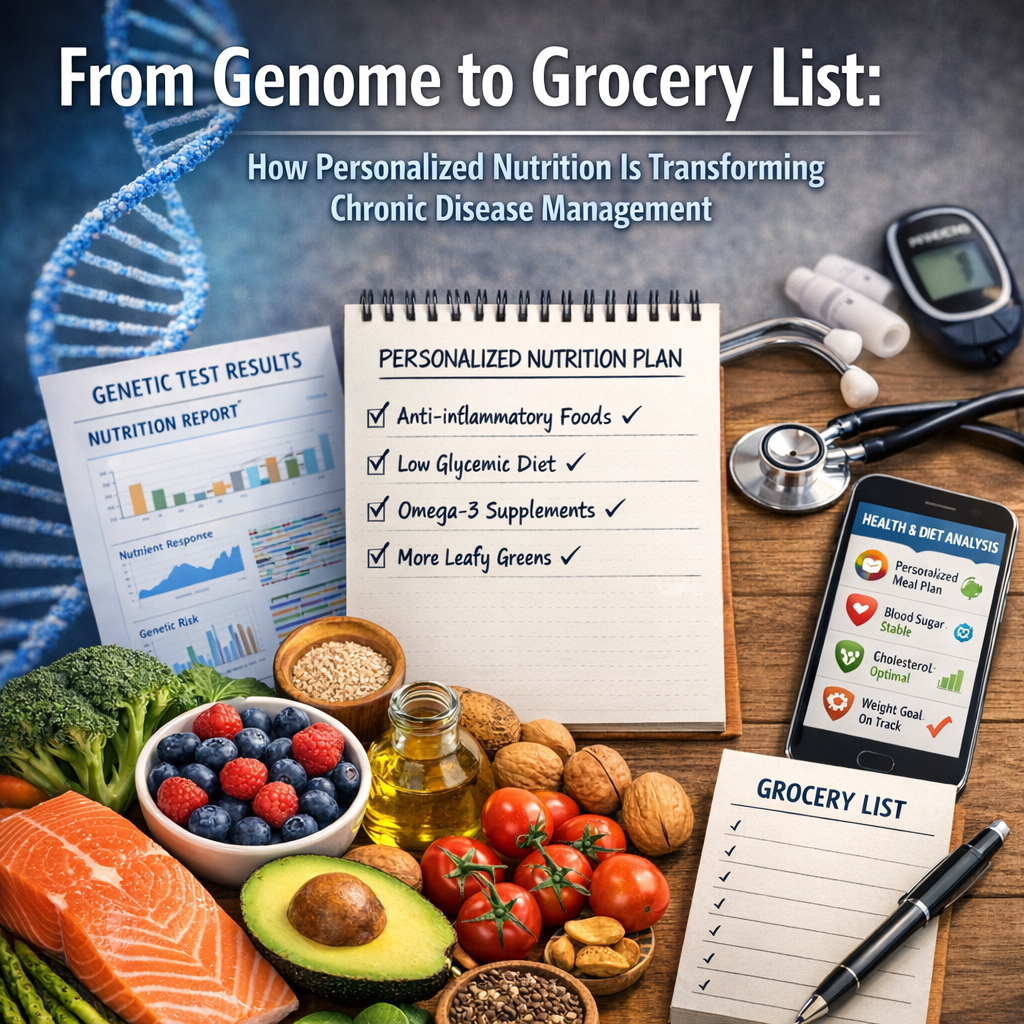
In recent years, the burgeoning field of nutritional psychiatry has illuminated what many cultures have innately understood for centuries: what we eat profoundly affects how we feel. As more individuals navigate the complexities of modern stressors, understanding the pivotal connection between diet and mental health is becoming essential. Emotional resilience, the ability to adapt to life’s challenges with a stable emotional outlook, can be significantly influenced by our nutritional choices. This realization has spurred interest in natural cures and homeopathic treatments, which offer holistic approaches to enhancing mental well-being through diet.
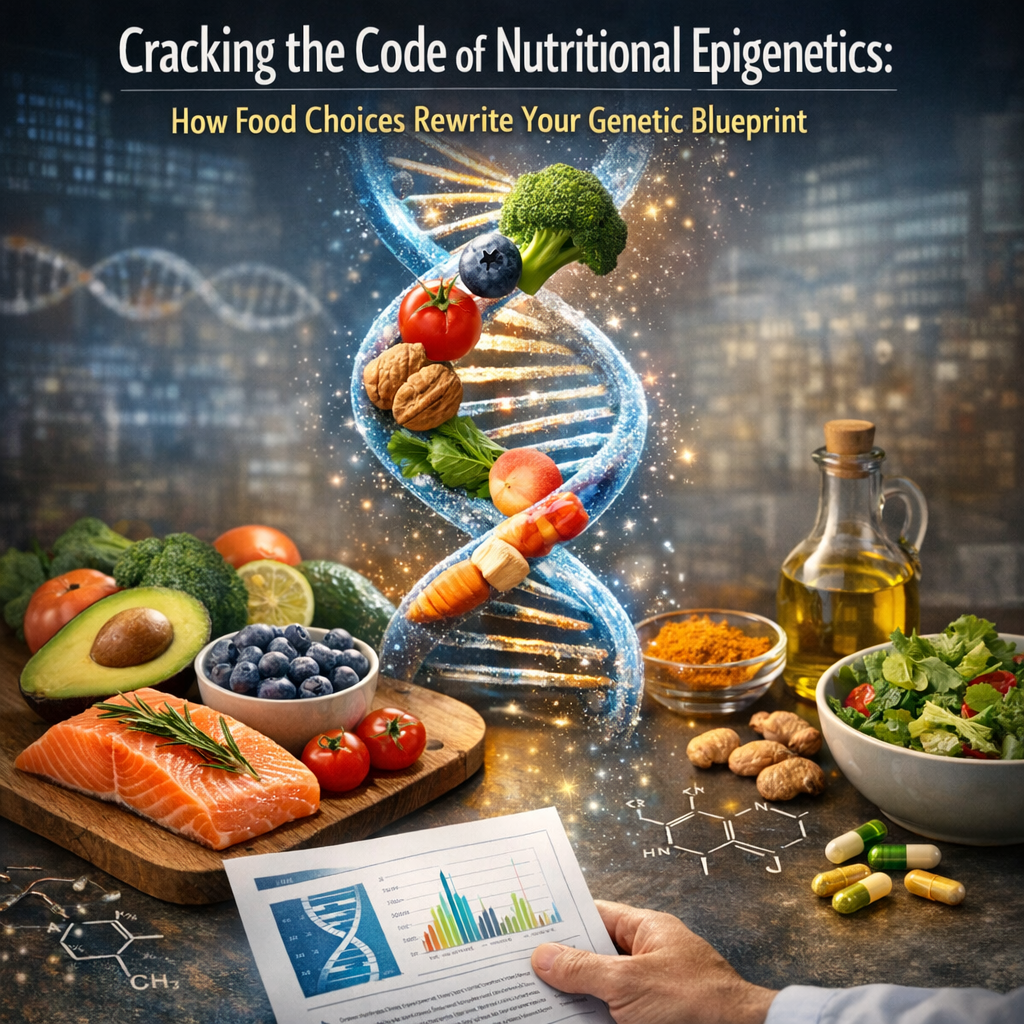
Modern lifestyles are replete with rapid changes and pervasive stress, which can disrupt mental equilibrium. While psychotherapy and medication are essential tools in managing mental health conditions, an often overlooked yet powerful ally is nutrition. Research indicates that maintaining a balanced diet not only supports physiological health but also plays a critical role in mood stabilization and psychological resilience. Specific nutrients, such as omega-3 fatty acids, B vitamins, and antioxidants, have been linked to decreased symptoms of anxiety and depression.
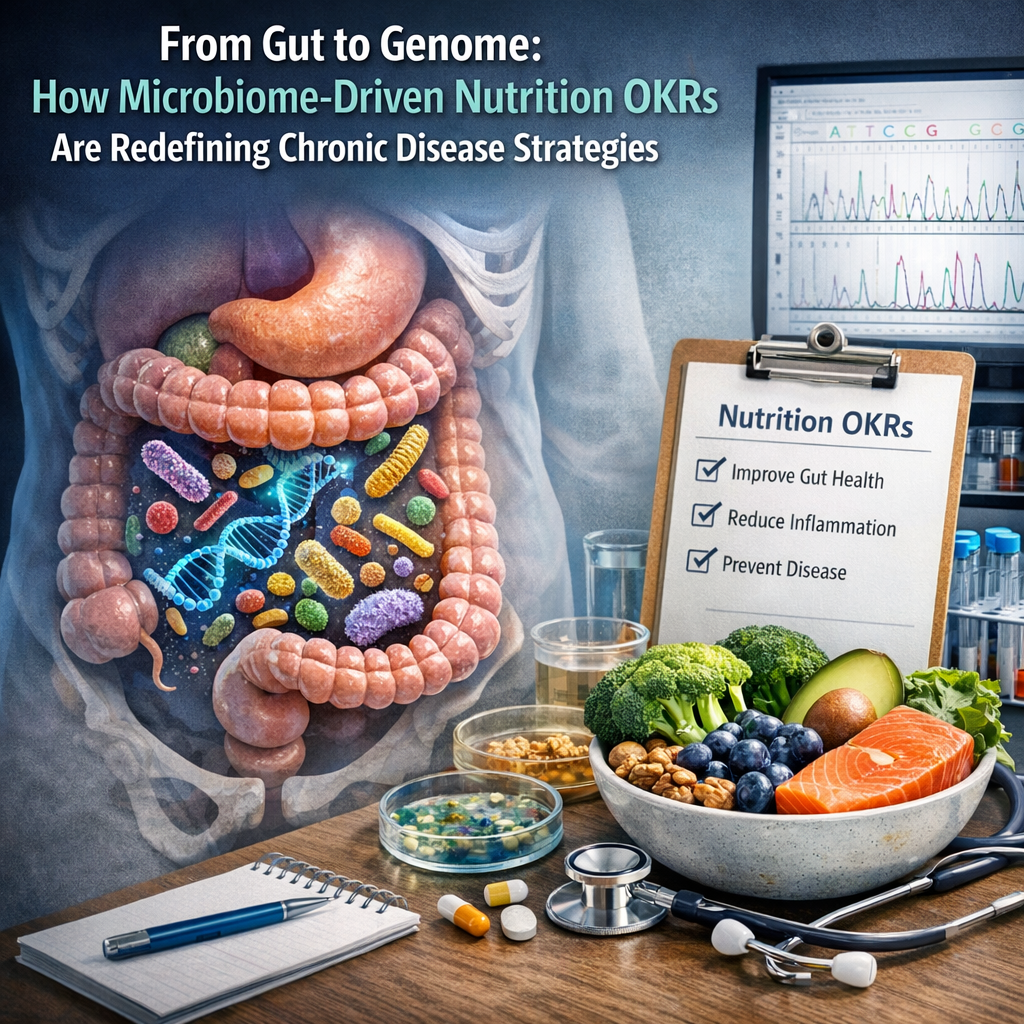
The gut-brain axis, a bidirectional communication system between the gastrointestinal tract and the brain, is crucial in understanding the food-mood connection. The gut hosts trillions of bacteria that produce neurotransmitters like serotonin, often dubbed the happy hormone, which impacts mood, sleep, and appetite. Cultivating a healthy microbiome through a diet rich in fiber, prebiotics, and probiotics can bolster emotional resilience by optimizing neurotransmitter production.
In the quest for natural mood support, many are turning to homeopathic remedies and herbal treatments. These alternative therapies emphasize the body’s inherent ability to heal itself, utilizing plant-based remedies that boast minimal side effects compared to pharmaceutical options. Adaptogenic herbs like Ashwagandha and Rhodiola rosea, for instance, are celebrated for their ability to regulate stress responses, promoting emotional stability even in challenging circumstances.
Features of Clinical Nutrition Studies in Emotional Resilience
Scientific exploration into the food-mood connection has gained momentum, producing compelling evidence substantiating the role of nutrition in mental health. One pivotal study published in the journal [BMC Medicine](https://bmcmedicine.biomedcentral.com/) explored the effects of a Mediterranean diet enriched with nutrient-dense foods on individuals experiencing depressive symptoms. Participants who adhered to the Mediterranean diet reported significant improvements in mood compared to those who continued with their regular dietary patterns. This study underscores the importance of consuming whole foods rich in vegetables, fruits, nuts, and whole grains as a foundation for mental health.
Further supporting these findings, a comprehensive meta-analysis published in [The American Journal of Clinical Nutrition](https://academic.oup.com/ajcn) examined numerous dietary intervention studies and concluded that dietary modifications positively affected mental well-being. Specifically, interventions that boosted the intake of omega-3 fatty acids were linked to notable improvements in mood and emotional resilience. Omega-3s, prevalent in fatty fish like salmon and flaxseeds, are essential for maintaining brain cell structure and function, directly contributing to enhanced cognitive and emotional health.
Moreover, a study by the [University of Limerick](https://www.ul.ie/news-centre/news) explored the impact of probiotics on mood and cognitive function. The research demonstrated that supplementing with probiotics significantly reduced psychological distress, validating the critical role of gut health in mood regulation. Participants reported feeling less anxious and more emotionally balanced, highlighting how a healthy gut microbiota can influence emotional resilience.
The role of B vitamins, particularly B12 and folate, is also well-documented in mental health. Deficiencies in these vitamins have been linked to increased risk of depression and cognitive decline. A study in [The Journal of Affective Disorders](https://www.jad-journal.com/) demonstrated that individuals with higher serum levels of B vitamins experienced improved mood and motivation, emphasizing the need for sufficient intake of these critical nutrients through diet or supplementation.
Conclusion
In conclusion, the intricate relationship between our nutritional intake and emotional resilience cannot be overstated. As we continue to unravel the complexities of the food-mood connection, integrating clinical nutrition practices into our daily lives presents a viable path toward enhanced mental well-being. By adopting a diet rich in whole, nutrient-dense foods and embracing natural remedies, individuals can bolster their emotional resilience, equipping themselves to face the challenges of modern life with grace and stability.
These insights not only advocate for a more informed approach to dietary choices but also open avenues for holistic healthcare strategies that harmonize body and mind. While it is crucial to consult with healthcare professionals when making significant dietary changes, exploring the potential of food as a tool for emotional resilience is an empowering step forward in personal wellness journeys.
Summary
The article highlights the connection between nutrition and mental health, emphasizing the role of specific nutrients in enhancing emotional resilience. The emerging field of nutritional psychiatry suggests that diets rich in omega-3 fatty acids, B vitamins, and antioxidants can alleviate symptoms of anxiety and depression. Additionally, maintaining a healthy gut microbiome through prebiotics and probiotics supports mood regulation. Studies confirm that dietary interventions, particularly adopting a Mediterranean diet, improve mood and cognitive health. Natural remedies like adaptogenic herbs further offer emotional stability. This underscores the potential of nutrition as a tool for boosting emotional resilience and overall mental well-being.

Dominic E. is a passionate filmmaker navigating the exciting intersection of art and science. By day, he delves into the complexities of the human body as a full-time medical writer, meticulously translating intricate medical concepts into accessible and engaging narratives. By night, he explores the boundless realm of cinematic storytelling, crafting narratives that evoke emotion and challenge perspectives.
Film Student and Full-time Medical Writer for ContentVendor.com