Decoding the Nutrigenomics Blueprint: Personalize Your Diet with Genetic Data to Combat Chronic Illness
In the dynamic world of health and wellness, a revolutionary science is beginning to reshape the landscape: nutrigenomics. At its core, nutrigenomics explores the intricate interaction between our genetic makeup and the foods we consume. This burgeoning field holds promising potential to personalize diets based on genetic data, offering a tailored approach to combating chronic illnesses. With conditions like diabetes, heart disease, and obesity on the rise, understanding how our genes influence our nutritional needs could be the key to unlocking more effective prevention and management strategies.
The concept of using genetic information to guide dietary choices might sound like science fiction, but recent advancements have made it a reality. Imagine a world where you could create a personalized dietary plan that aligns seamlessly with your genetic predispositions, minimizing risk factors associated with chronic diseases. This is the promise of nutrigenomics—customized nutrition strategies that empower individuals to optimize their health based on their unique genetic profiles.
Chronic illnesses have long been influenced by both genetic factors and lifestyle choices. Traditional dietary recommendations operate on a one-size-fits-all model, often overlooking the unique genetic variances that can affect how individuals metabolize nutrients. This oversight highlights a significant gap in conventional nutritional science. Nutrigenomics bridges this gap by leveraging genetic insights to tailor diets specifically to an individual’s genetic code.
Imagine unlocking the secrets encoded within your DNA to determine which foods are best suited for reducing inflammation, improving heart health, or managing blood sugar levels. For instance, certain individuals may possess genetic markers that suggest a higher efficiency in metabolizing omega-3 fatty acids, making them ideal candidates for a diet rich in these heart-healthy fats. Conversely, others may carry genetic variations that slow the metabolism of caffeine, advising a reduced intake to minimize its impact on sleep and stress levels.
Features
The promise of nutrigenomics has captured the attention of researchers worldwide, leading to an increasing number of scientific studies exploring its potential. A notable study by the University of Toronto explored how genetic differences influence the body’s response to dietary fats, carbohydrates, and proteins. The study found significant variations in how individuals metabolized these macronutrients, underscoring the importance of personalized dietary recommendations ([source](https://www.sciencedaily.com/releases/2021/01/210107091035.htm)).
Similarly, research published in “The American Journal of Clinical Nutrition” highlighted the advantage of using genetic data to tailor dietary interventions for weight management. This study revealed that individuals who received a diet plan aligned with their genetic profile lost significantly more weight than those following standard dietary guidelines ([source](https://academic.oup.com/ajcn/article/119/2/446-458/5672395)).
Moreover, nutrigenomics is showing promise for managing chronic inflammation, a component of many illnesses, including cardiovascular disease and arthritis. A groundbreaking study published in “Nature” identified genetic loci associated with inflammation and suggested dietary interventions to mitigate these effects using specific nutrients. This research paves the way for precise anti-inflammatory diets based on genetic markers ([source](https://www.nature.com/articles/s41467-019-12316-7)).
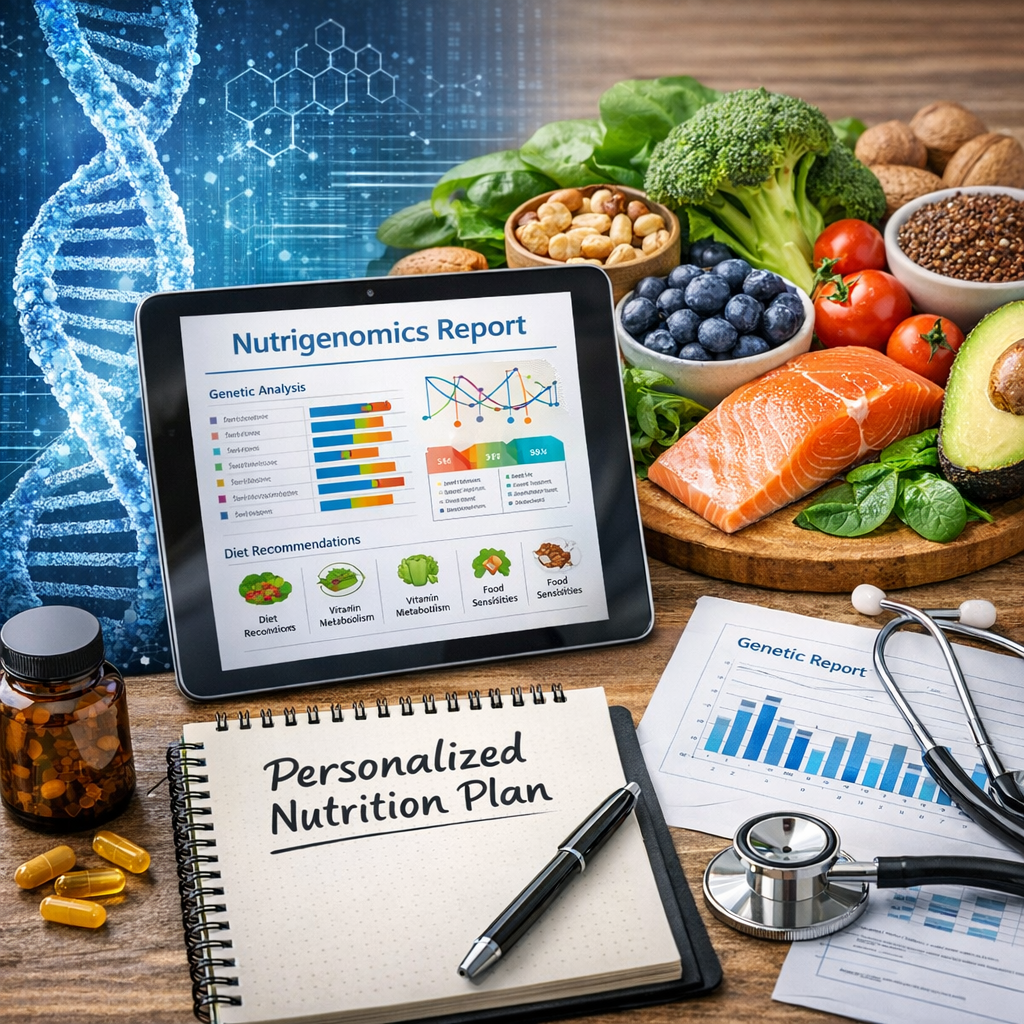
Nutrigenomics isn’t just a tool for researchers and scientists; it is accessible for individuals through direct-to-consumer genetic testing kits. These kits analyze various genetic markers linked to nutrition, providing consumers with insights into how their body might respond to different foods. Armed with this knowledge, people can make informed dietary choices that align with their genetic dispositions.
Conclusion
Nutrigenomics represents a pioneering approach in the battle against chronic illnesses, offering a glimpse into a future where dietary recommendations are as unique as our genetic code. By decoding the nutrigenomics blueprint, individuals can harness the power of personalized nutrition to foster better health outcomes, mitigate the risk of chronic diseases, and take control over their wellness journey. While this science is still evolving, its potential to revolutionize how we approach diet and health is undeniable.
As this field continues to develop, embracing the principles of nutrigenomics can empower us to make more informed dietary choices, optimizing our health based on the intricate interplay of genes and nutrients. In a world where chronic illnesses are increasingly prevalent, turning to our genetics for guidance on dietary habits might just be the game-changer we desperately need.
For a comprehensive deep dive, consider exploring resources available at reputable digital libraries like [PubMed](https://pubmed.ncbi.nlm.nih.gov/) or keeping updated with trusted platforms such as [ScienceDaily](https://www.sciencedaily.com) to stay abreast of the latest in nutrigenomics research.
Concise Summary:
Nutrigenomics links genetic makeup to dietary choices, offering personalized nutrition plans to combat chronic illnesses like diabetes and heart disease. By analyzing genetic data, nutrigenomics enables tailored diets, potentially improving preventive and management strategies. Recent studies underscore genetic influences on nutrient metabolism and disease risk, highlighting its promise in weight management and chronic inflammation reduction. Accessible through consumer testing kits, nutrigenomics benefits individuals by aligning diets with genetic predispositions, paving the way for better health outcomes and innovative approaches to combating chronic diseases.

Dominic E. is a passionate filmmaker navigating the exciting intersection of art and science. By day, he delves into the complexities of the human body as a full-time medical writer, meticulously translating intricate medical concepts into accessible and engaging narratives. By night, he explores the boundless realm of cinematic storytelling, crafting narratives that evoke emotion and challenge perspectives.
Film Student and Full-time Medical Writer for ContentVendor.com