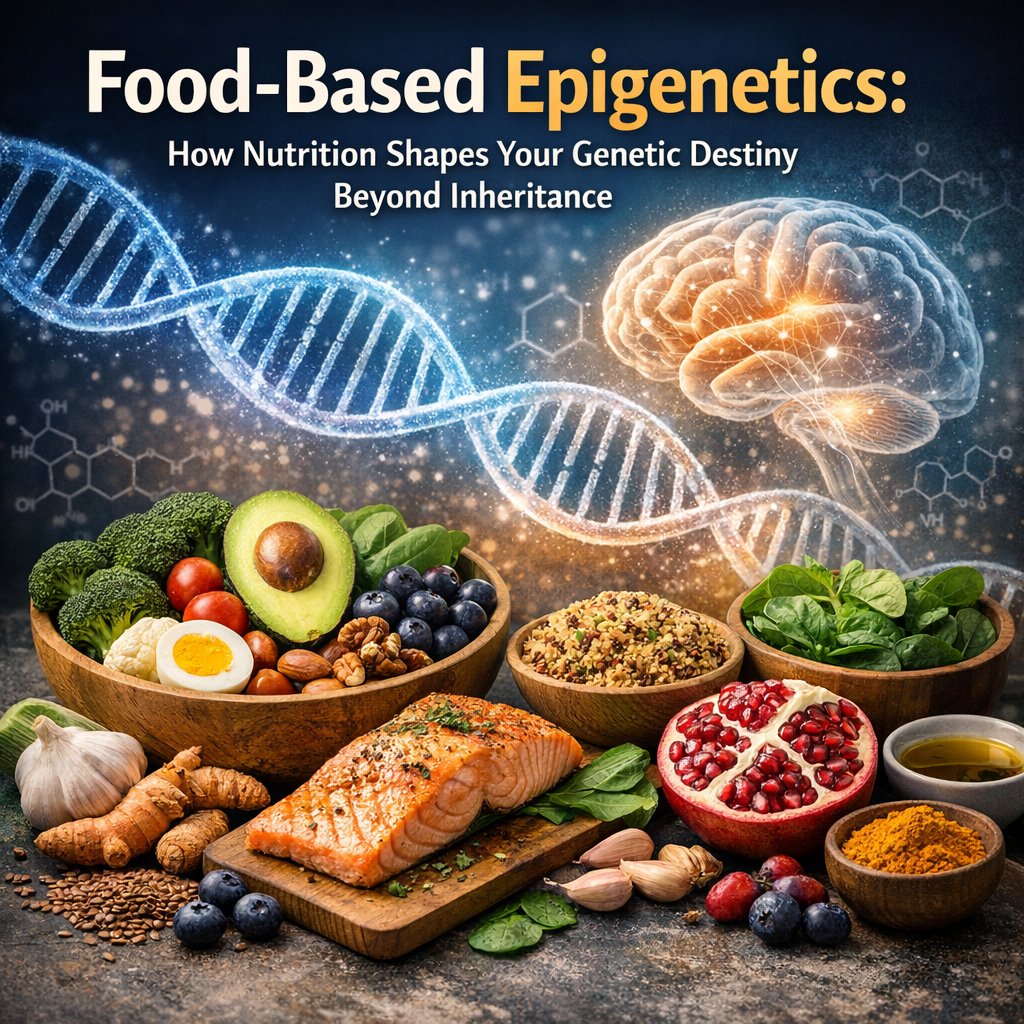
Food-Based Epigenetics: How Nutrition Shapes Your Genetic Destiny Beyond Inheritance
Introduction
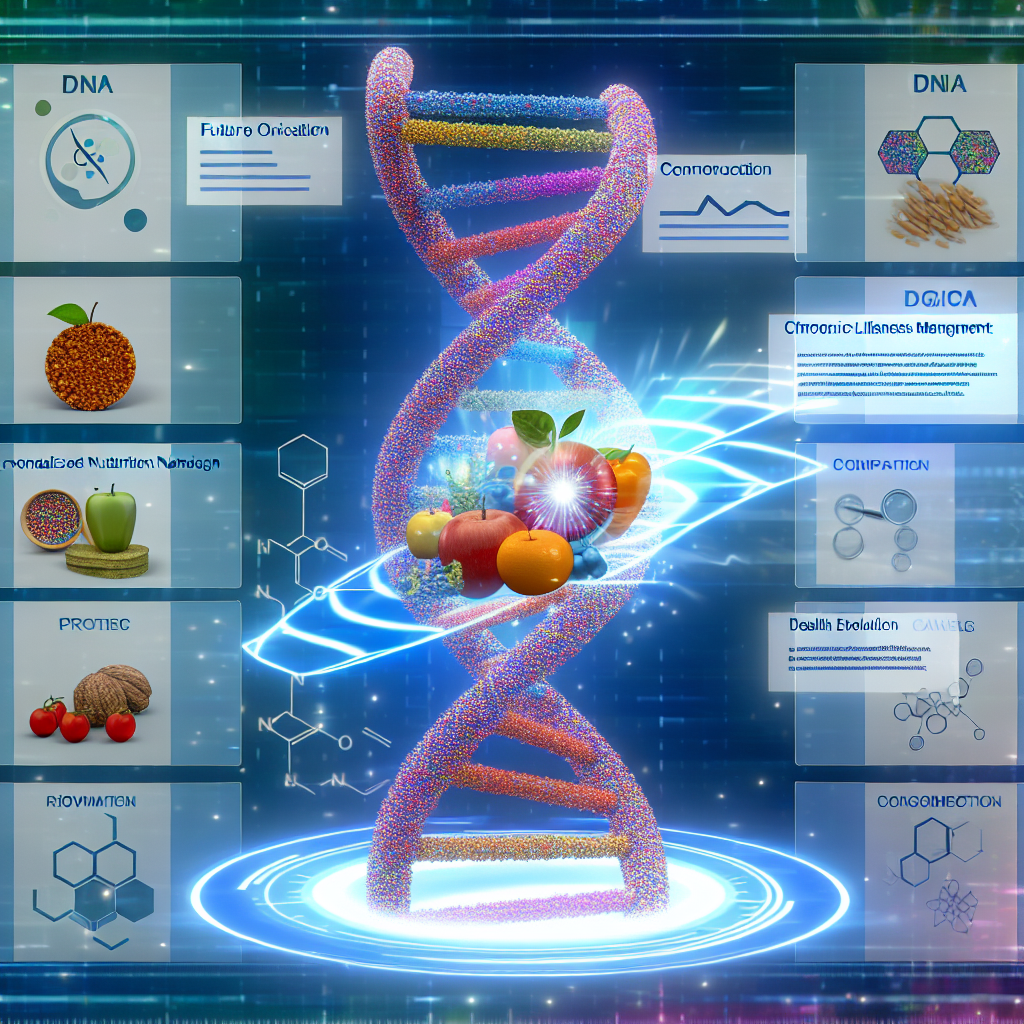
The age-old debate of nature versus nurture has taken a fascinating turn with the rise of epigenetics, a discipline that bridges our genetic blueprint with the environmental and lifestyle influences that affect its expression. In this arena, nutrition emerges as a pivotal player. The food we consume does more than just fuel our bodies—it interacts with our genome, dictating how genes manifest themselves. Though we inherit our DNA from our parents, whether specific genes are expressed or remain dormant can depend significantly on our dietary habits.
Epigenetics explores how external factors switch genes on or off, and food is one such influential component. Nutrients can alter the way our genetic code functions without modifying the DNA sequence itself. Essentially, while our inherited genes provide a blueprint, the nutrients we consume can act like switches, influencing whether certain genetic traits are activated or muted. Antioxidants, vitamins, and minerals found in foods like leafy greens, berries, and fatty fish play a crucial role in this process.
Research has shown that these nutritional epigenetic changes carry forward, impacting not only individual health but potentially affecting future generations. This phenomenon is evident in studies on famine-affected populations, where children born to malnourished mothers faced health challenges related to changes in gene expression. The idea that dietary components can influence the health of future progeny shifts the paradigm from genetic determinism to one where individuals have a degree of control over their genetic fate.
In this article, we’ll delve into how nutrition operates on a molecular level to modify genetic expression. Paying attention to our diet allows us to harness the potential of epigenetics for improved health outcomes. As scientific understanding deepens, the age-old sayings about being what you eat take on profound implications for genetic health. Let’s explore the science behind it, backed by authoritative research, and understand the significance of food-based epigenetics.
Features
The Swiss Army knife of modern genetics, epigenetics, has brought forth revelations about the human genome and its malleability—none more intriguing than the stimulatory effect of food on gene expression. One groundbreaking study conducted by the National Institute on Aging illustrated how caloric intake impacts health and longevity through epigenetic mechanisms. Mice subjected to calorie restriction exhibited changes in DNA methylation patterns—an essential epigenetic process—indicating that diet can indeed modify genetic expression and potentially enhance lifespan. [Read the study](https://www.nia.nih.gov/news)
Furthermore, a comprehensive study published in the journal Nature Communications identified that the consumption of green leafy vegetables could augment global DNA methylation levels due to their high folate content. This alteration in methylation alters gene expression, showing that diet has the potential to combat cholesterol and reduce cardiovascular risks, linked directly to underlying genetic tendencies. [Access the journal](https://www.nature.com/articles/ncomms15656)
In another pivotal study featured in Food & Nutrition Research, the researchers emphasized the role of omega-3 fatty acids—found in abundance in fish like salmon—in modulating gene expression linked to inflammation and metabolic health. Their findings advocated for the inclusion of these fatty acids in the diet to mitigate genetic predispositions to chronic diseases. [Access the article](https://www.foodandnutritionresearch.net)
These studies collectively paint a picture of a world where nutrition plays a critical role in shaping genetic expression. The insights from these findings underscore the importance of making informed dietary choices tailored to influence gene activation, contributing to broader health benefits.
Conclusion
The narrative of genetic determinism has been profoundly reshaped by the compelling dynamics introduced by food-based epigenetics. While our genes provide a roadmap, nutrition allows for meaningful detours and re-routes that can enhance our health journey. A diet rich in diverse and nutrient-dense foods offers a powerful tool for modulating genetic expression, signaling a shift toward health agency and personalized wellness strategies.
In conclusion, embracing the principles of food-based epigenetics enables us to transcend traditional narratives of inheritance. It positions nutrition as a strategic tool, capable of altering our genetic destiny and empowering us to optimize our well-being on a profound level. As our scientific understanding of these mechanisms grows, the age-old adage that you are what you eat finds new credibility in the context of how our nutritional habits shape genetic health and destiny.
Concise Summary
Food-based epigenetics shows how nutrition impacts genetic expression, highlighting the interaction between our diet and genome. While DNA is inherited, whether specific genes are activated depends on dietary habits. Research indicates nutrients like antioxidants, omega-3 fatty acids, and folate can modulate genetic outcomes, affecting health across generations. Studies reveal that food choices influence DNA methylation, a key epigenetic process, suggesting a shift from genetic determinism to potential genetic control through diet. Embracing nutrient-rich foods enriches our health journey, aligning with the concept that nutrition can strategically alter genetic destiny.

Dominic E. is a passionate filmmaker navigating the exciting intersection of art and science. By day, he delves into the complexities of the human body as a full-time medical writer, meticulously translating intricate medical concepts into accessible and engaging narratives. By night, he explores the boundless realm of cinematic storytelling, crafting narratives that evoke emotion and challenge perspectives.
Film Student and Full-time Medical Writer for ContentVendor.com