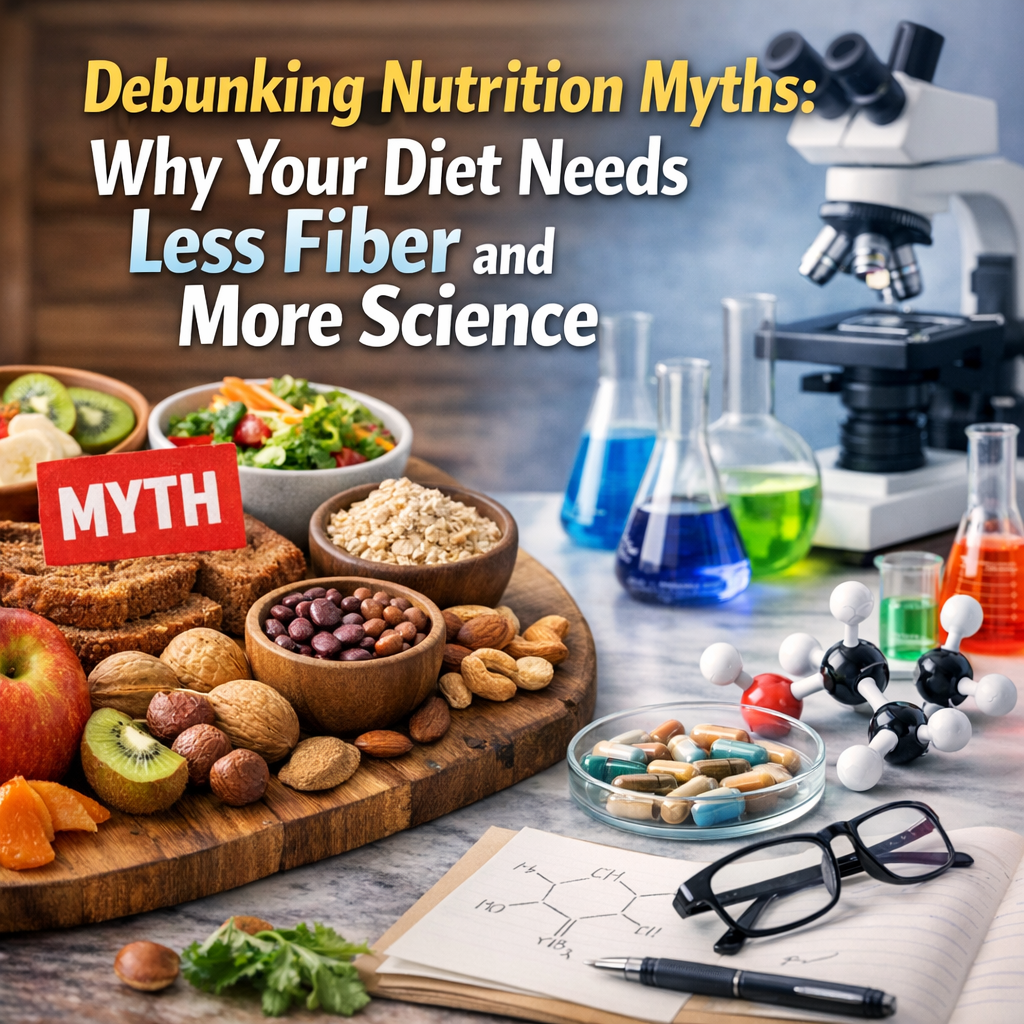
Debunking Nutrition Myths: Why Your Diet Needs Less Fiber and More Science
In today’s health-conscious world, nutrition myths abound, each promising new pathways to optimal health. Among the most persistent of these myths is the belief that a high-fiber diet is the golden ticket to a well-functioning digestive system and overall health. While fiber does play a role in maintaining a healthy diet, blind adherence to this norm can sometimes overshadow scientific truths that are critical to personalized nutrition. As we delve into the depths of dietary science, we find that not all fibers are created equal, and an excessive focus on fiber can sometimes detract from more scientifically grounded dietary essentials.
At the heart of the issue lies the simplistic view of fiber as a universal panacea. Most dietary guidelines emphasize fiber as an essential element, primarily sourced from whole grains, fruits, and vegetables. While these guidelines promote fiber for its benefits in digestion and its ability to create a sense of fullness, they can sideline important nutrients and other aspects of dietary science. Emerging studies reveal that the human gut microbiome, unique to every individual, responds differently to fiber. For some, the combination of fiber and certain microbiome profiles can lead to discomfort, bloating, or even digestive shutdowns.
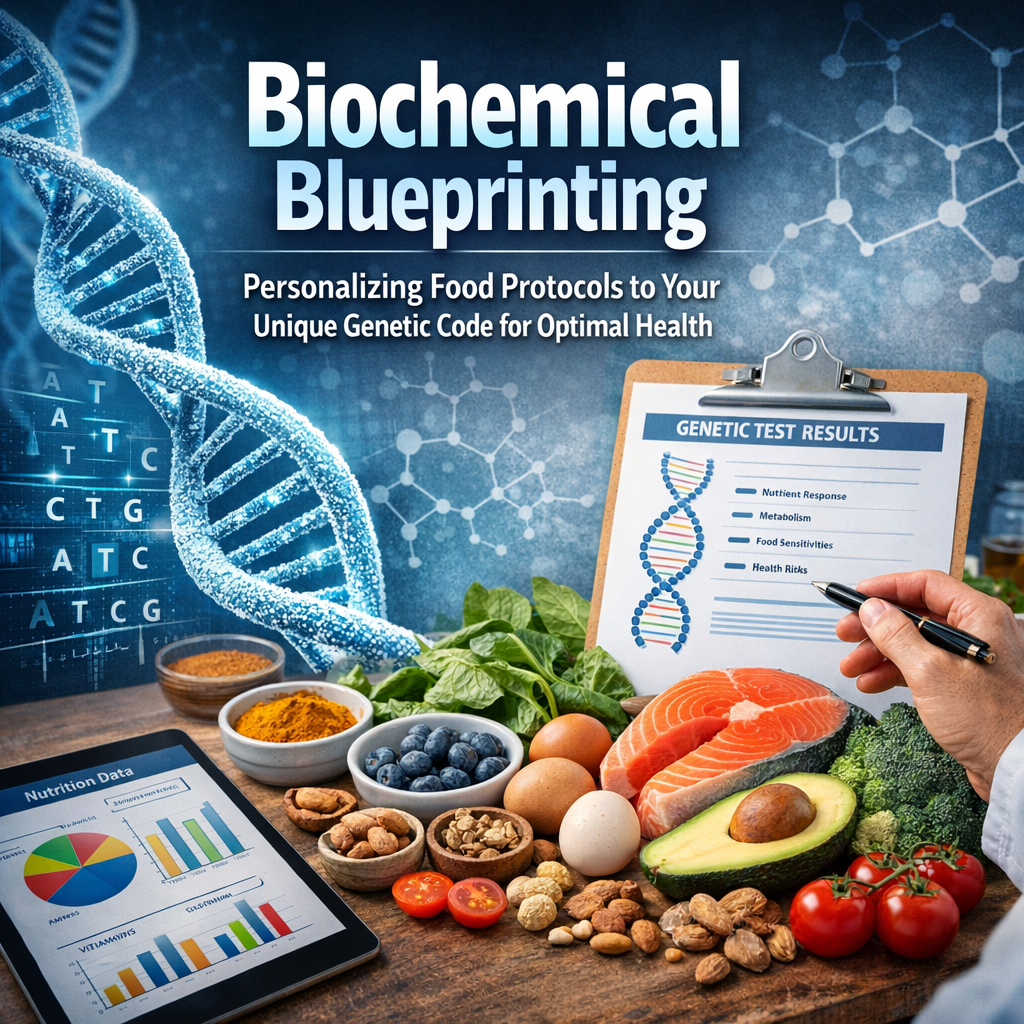
Beyond just the nuances of fiber, our comprehension of nutrition must incorporate a broader understanding of how diet influences health at the molecular level. Scientific advancements in nutrigenomics and personalized nutrition are uncovering how specific nutrients and food combinations can influence our DNA expression and overall health. This more tailored approach goes beyond the one-size-fits-all fiber prescription and recognizes that dietary needs are as diverse as human genetics.
Furthermore, blindly adhering to high-fiber recommendations can sometimes divert attention from other critical components of a healthy diet. Protein, healthy fats, vitamins, and minerals deserve equal attention, as each plays a significant role in maintaining the body’s complex systems. While fiber should not be abandoned, balancing it with these nutrients ensures a more wholesome approach to nutrition. By fostering a more personalized and scientific understanding of diet, we unlock the potential for greater health benefits, moving beyond generalized recommendations to harness the power of personalized meal plans that consider unique dietary needs and health goals.
Examining Scientific Studies
Scientific studies underscore the complex relationship between fiber intake, gut health, and overall well-being. The Institute for Quality and Efficiency in Health Care (IQWiG) reports that while dietary fiber is beneficial in reducing the risk of chronic diseases like type 2 diabetes and cardiovascular disease, excessive fiber intake without adequate fluid can lead to gastrointestinal issues such as bloating and constipation. [The Harvard T.H. Chan School of Public Health](https://www.hsph.harvard.edu) emphasizes the diversity in types of fiber, both soluble and insoluble, and their varied effects on digestive health and disease prevention. Soluble fibers found in oats, nuts, and seeds can help lower blood glucose and cholesterol levels, while insoluble fibers in whole grains and vegetables support bowel regularity.
A study published in the journal *Cell* explored the interaction between fiber intake and the gut microbiome, revealing that diverse microbial communities in the gut have varied responses to fiber. This suggests that a personalized approach to fiber consumption may be more beneficial than uniform recommendations. The research emphasized the significance of understanding individual microbial profiles to optimize dietary choices and improve health outcomes.
A fascinating study in *Nature Reviews Nutrition* highlighted nutrigenomics, studying how food and nutrients interact with our genes. This emerging field suggests that specific genetic variations can influence an individual’s response to dietary fiber and other nutrients. By leveraging this knowledge, we can develop more precise dietary guidelines that accommodate the genetic and lifestyle diversities inherent in human populations.
By recognizing these scientific developments, we transcend generic dietary prescriptions and embrace a more nuanced understanding of nutrition. This shift aligns more closely with contemporary research, promoting optimal health through personalized, science-based dietary strategies.
Conclusion
In our quest for optimal health, it is imperative to distinguish between nutritional myths and scientifically validated dietary principles. While fiber remains a vital component of a balanced diet, excessive reliance on fiber without considering other nutritional factors can overshadow the benefits of a holistic diet. Embracing a scientific approach demands a more profound appreciation for the complexities of human biology and the diverse nutritional requirements they entail. By integrating personalized nutrition fueled by cutting-edge research, we elevate our dietary practices beyond conventional myths, enabling each individual to realize their health potential fully.
As we navigate this transformative era in health and nutrition, decision-making informed by science, rather than broad-stroke myths, is crucial. By considering individual variations and the role of science in dietary planning, we stand poised to embrace diets that promote well-being on a profoundly personalized level—one that extends compassion and understanding to the complexities of human life and sustenance.
Concise Summary:
In pursuit of optimal health, it’s crucial to debunk nutrition myths like the universal efficacy of a high-fiber diet. While fiber is essential, excessive focus can detract from comprehensive nutrition. Individual gut microbiomes react differently to fiber, and scientific advances in nutrigenomics suggest personalized diets may be more beneficial. Balancing fiber intake with proteins, healthy fats, and other nutrients is vital. Recognizing the role of science in dietary planning allows for a nuanced, personalized approach, ultimately optimizing health and well-being.

Dominic E. is a passionate filmmaker navigating the exciting intersection of art and science. By day, he delves into the complexities of the human body as a full-time medical writer, meticulously translating intricate medical concepts into accessible and engaging narratives. By night, he explores the boundless realm of cinematic storytelling, crafting narratives that evoke emotion and challenge perspectives.
Film Student and Full-time Medical Writer for ContentVendor.com