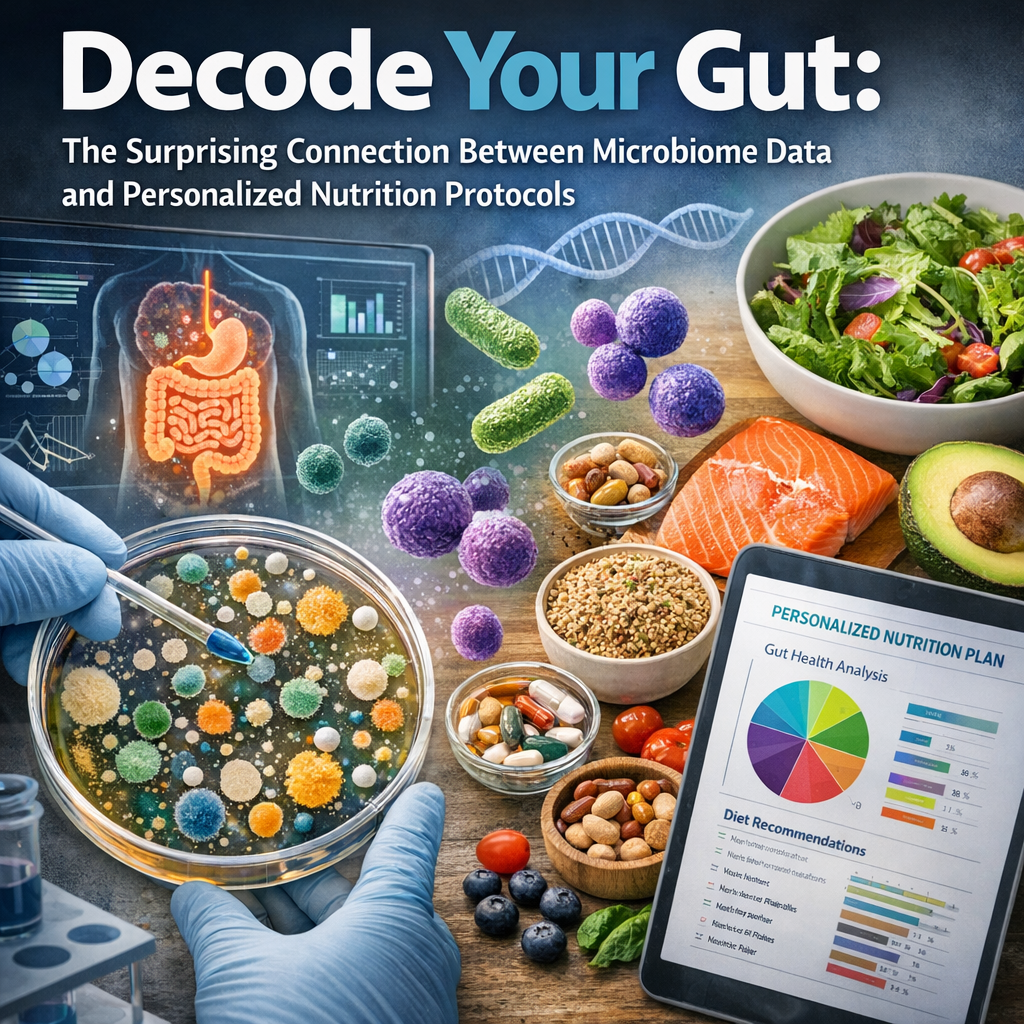
Decode Your Gut: The Surprising Connection Between Microbiome Data and Personalized Nutrition Protocols
Introduction
In recent years, the interconnectedness of our body’s internal systems has become increasingly evident, with the gut microbiome emerging as a focal point in health and nutrition discussions. This bustling community of trillions of microorganisms—comprising bacteria, fungi, and other microbes residing in our intestines—plays a crucial role in digestion, vitamin production, immune function, and even mood regulation. However, scientists are now uncovering another remarkable aspect of the gut microbiome: its ability to inform personalized nutrition protocols.
The concept of leveraging microbiome data for personalized nutrition is gaining traction, particularly as we recognize the uniqueness of each individual’s gut flora. Just as a fingerprint is exclusive to an individual, so too is each person’s microbiome composition. These complex microbial ecosystems influence how we metabolize food and extract nutrients, which means that our gut health can significantly impact our overall well-being.
Understanding the microbiome-nutrition connection begins with appreciating the sheer diversity and function of these microorganisms. Research indicates that a balanced microbiome can support digestion, enhance metabolic rates, and optimize the absorption of nutrients, along with providing protective functions against harmful pathogens. Imbalances, however, can lead to conditions such as obesity, irritable bowel syndrome, and even mental health issues due to the gut-brain axis.
Enter personalized nutrition—an approach that tailors dietary recommendations to individual needs, guided by unique genetic, biological, and lifestyle factors. By integrating microbiome data with personalized nutrition protocols, this strategy promises to revolutionize dietary interventions and promote optimal health. Microbiome testing provides insights into the specific bacterial strains prevalent in an individual’s gut, highlighting potential deficiencies or imbalances that might require dietary adjustments.
This groundbreaking intersection of science and nutrition empowers individuals to make informed dietary choices. Whether it’s enriching the diet with prebiotic and probiotic foods or understanding which nutrients are necessary for optimizing gut health, personalized nutrition holds immense potential for improving individual and public health outcomes. As we delve further into the science underpinning this frontier, we unlock new possibilities for advancing our well-being through tailored nutritional strategies.
Features
Groundbreaking studies are at the forefront of this evolving field, providing a scientific basis for personalized nutrition protocols informed by microbiome data. One such study, conducted by researchers at the Weizmann Institute of Science in Israel, demonstrated that microbiome composition could predict postprandial (after eating) blood sugar responses more accurately than traditional carbohydrate-counting methods. This research suggests that by understanding an individual’s microbiome, personalized dietary interventions can be crafted to manage blood glucose levels effectively, potentially aiding in the prevention and management of diabetes ([Cell](https://www.cell.com/cell/fulltext/S0092-8674(15)01481-6)).
Another pivotal study published in the journal *Nature* emphasized the diversity of gut bacteria as a marker for metabolic health. Researchers found that individuals with a high diversity of gut microbes tended to have lower rates of obesity and improved metabolic profiles, which are indicative of better cardiovascular health. This underscores the critical role of a diverse microbiome in fostering metabolic efficiency and highlights how personalized nutritional approaches can support metabolic health by enhancing microbial diversity ([Nature](https://www.nature.com/articles/nature13859)).
The American Gut Project, one of the largest open-source microbiome research initiatives, is another noteworthy endeavor shedding light on gut health. This project collects and analyzes microbiome data from participants worldwide, helping to identify associations between diet, lifestyle, and microbial composition. Insights garnered from this extensive dataset empower researchers and clinicians to develop personalized nutrition strategies that prioritize gut health through targeted dietary recommendations ([American Gut Project](https://americangut.org)).
Overall, these studies illustrate the tangible benefits of integrating microbiome data with personalized nutrition protocols. By leveraging scientific insights, healthcare practitioners are better equipped to understand the complex interplay between diet, microbiome composition, and health outcomes. Such evidence-based strategies promise not only improved individual health but also the potential to address broader public health challenges related to nutrition and chronic disease prevention.
Conclusion
The fusion of microbiome science with personalized nutrition heralds a new era in dietary optimization and health enhancement. As research continues to unravel the complexities of the gut microbiome, it becomes increasingly apparent that our health is deeply intertwined with the microscopic inhabitants of our intestines. Personalized nutrition, informed by microbiome data, offers a nuanced approach to dietary planning—one that appreciates individuality and accommodates unique nutritional needs.
This cutting-edge approach equips individuals with the knowledge and tools necessary to make informed decisions about their diet and overall health. By nurturing a balanced and diverse microbiome through tailored nutritional interventions, we stand to unlock immense potential for improved well-being and longevity. As the field evolves, we anticipate more refined methodologies and broader acceptance of gut-driven personalized nutrition, ultimately transforming how we perceive and manage our dietary choices.
In embracing the advances of this dynamic field, we are taking significant strides toward a future where health is viewed not just through the lens of symptoms, but through the proactive care of the body’s intricate microbial world. As we decode the mysteries of our gut, we pave the way for nutritional strategies that are as unique and responsive as the microorganisms that reside within us.
Concise Summary:
The article discusses the burgeoning field of personalized nutrition informed by microbiome data. It highlights the critical role of gut microbiome diversity in digestion, immunity, and mood regulation. By leveraging microbiome data, personalized dietary interventions can be devised to improve metabolic health and manage conditions like obesity and diabetes. Notable studies from institutions like the Weizmann Institute and the American Gut Project emphasize the utility of microbiome data in crafting individualized nutrition protocols. This approach promises to revolutionize health outcomes, promoting a nuanced understanding of diet and its relationship with our body’s unique microbial world.

Dominic E. is a passionate filmmaker navigating the exciting intersection of art and science. By day, he delves into the complexities of the human body as a full-time medical writer, meticulously translating intricate medical concepts into accessible and engaging narratives. By night, he explores the boundless realm of cinematic storytelling, crafting narratives that evoke emotion and challenge perspectives.
Film Student and Full-time Medical Writer for ContentVendor.com