Leveraging Nutritional Genomics: How Personalized Diets are Revolutionizing Chronic Disease Management
Introduction
In today’s fast-paced world, where chronic diseases such as diabetes, cardiovascular diseases, and obesity are on the rise, the need for tailored and effective management strategies is more pressing than ever. Traditional dietary recommendations have mostly adopted a one-size-fits-all approach. However, with the advent of nutritional genomics—a relatively new branch of science examining the interaction between nutrition and genes—there is a paradigm shift towards more personalized dietary strategies for chronic disease management.
Nutritional genomics, also known as nutrigenomics, is revolutionizing how experts understand the role of nutrition in chronic disease management. It explores how individual genetic variations influence nutrient requirements, metabolism, and susceptibility to chronic diseases. By delving into the intricate relationship between diet and genes, nutrigenomics offers promising potential for more personalized dietary interventions.
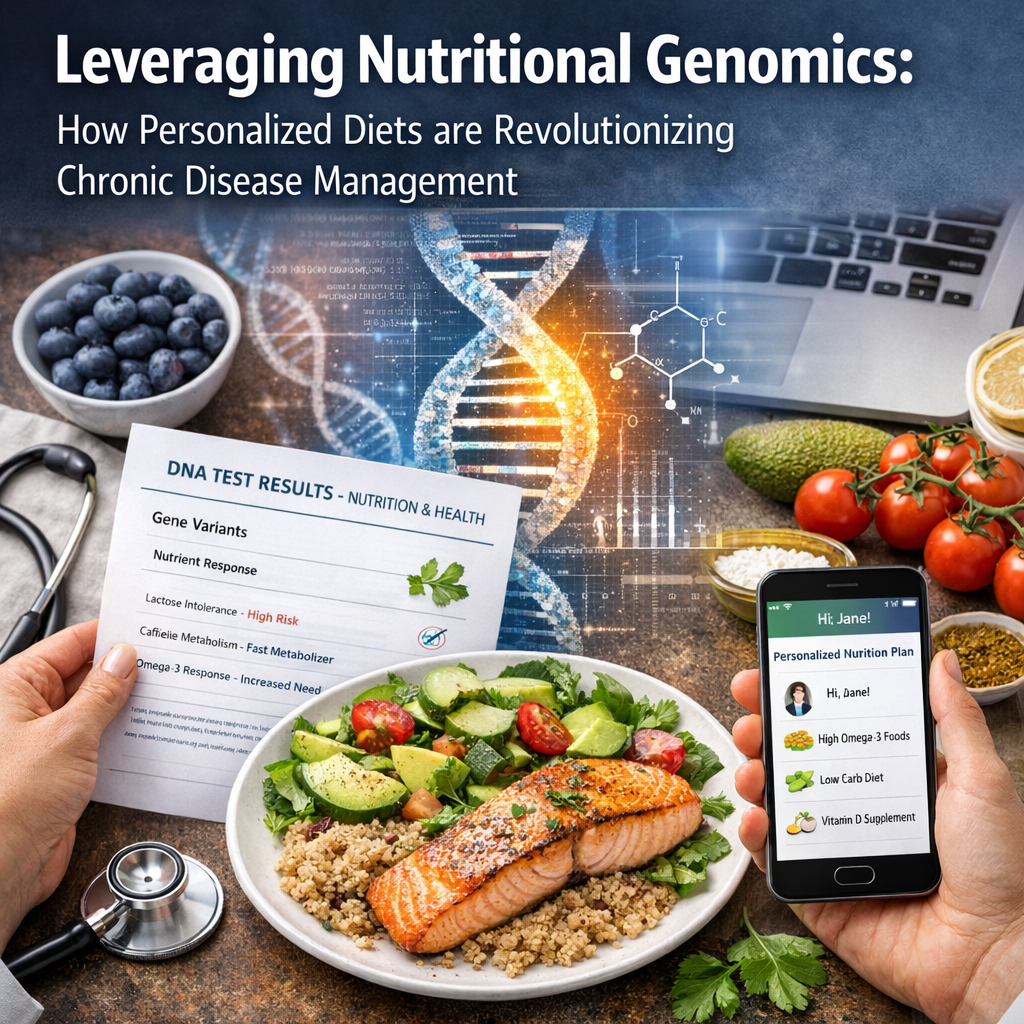
The concept is grounded in the belief that our dietary needs are as unique as our genetic makeup. For instance, genetic differences can explain why some individuals respond differently to carbohydrates or fats, or why certain food intolerances occur. Nutrigenomics aims to provide insights into these differences, enabling healthcare professionals to devise personalized nutrition plans that align perfectly with an individual’s genetic predisposition.
One pivotal area of interest is the management of chronic diseases through personalized diets. Chronic diseases are often influenced by both genetic and lifestyle factors. By utilizing genetic testing, nutrigenomics can identify specific genetic markers that make individuals more susceptible to conditions such as high blood pressure or type 2 diabetes. With this information, dietitians and health professionals can craft individualized diet plans that can potentially reduce the risk or severity of these conditions.
As the science behind nutrigenomics continues to advance, the healthcare industry is harnessing its potential to shift from reactive to proactive practices. By addressing the root causes of chronic diseases on a genetic level, there is a profound potential to improve patient outcomes, enhance quality of life, and reduce healthcare costs. It promises not just a preventive strategy but also a therapeutic intervention tailored to each person’s unique genetic profile.
Features
Numerous studies and professional insights have shed light on the efficacy of nutrigenomics in chronic disease management. A key study published in the “American Journal of Clinical Nutrition” highlights the significance of nutrigenomics in predicting individual responses to dietary interventions. The researchers concluded that individuals with specific genetic markers responded more favorably to tailored diets compared to generalized dietary recommendations, underscoring the power of personalized nutrition.
Additionally, the “Journal of Personalized Medicine” has discussed how personalized nutrition can assist in managing obesity. The study emphasizes the role of genetic markers in determining an individual’s propensity for weight gain and their metabolic responses to different types of macronutrients. With obesity being a major risk factor for many chronic diseases, the insights from nutrigenomics are invaluable in devising effective weight management strategies.
Another noteworthy study found in “Nature Reviews Genetics” discusses the application of nutrigenomics in cardiovascular disease risk management. The research suggests that individuals with specific genetic predispositions for cardiovascular issues can benefit significantly from customized dietary plans that emphasize the intake of certain nutrients linked to heart health.
Moreover, the field of diabetes management has seen promising outcomes through nutrigenomics. The “Diabetes, Metabolic Syndrome, and Obesity: Targets and Therapy” journal highlighted a study wherein diabetic patients experienced better glycemic control when dietary plans were tailored to their genetic profiles compared to conventional diet plans.
These studies reflect the growing body of evidence supporting the role of personalized nutrition in managing and potentially preventing chronic diseases. The integration of genetic information into dietary planning not only empowers healthcare professionals but also enhances patient engagement in their health management, given the personalized approach to their care.
Conclusion
The integration of nutritional genomics into chronic disease management is a groundbreaking development, one that holds the promise of transforming healthcare as we know it. By aligning dietary interventions with genetic profiles, nutrigenomics provides a powerful tool for managing and potentially preventing chronic diseases. While traditional dietary recommendations have provided a broad framework, they often fall short in addressing individual variations driven by genetic differences.
As scientific understanding deepens and technology continues to evolve, the promise of personalized nutrition becomes increasingly attainable. However, it is crucial to approach this emerging field with both enthusiasm and caution, ensuring that ethical considerations, accessibility, and continued research remain at the forefront of its application.
Nutrigenomics exemplifies the shift towards a more personalized and proactive healthcare model. As this science progresses, it has the potential not just to manage chronic diseases more effectively but also to empower individuals with the knowledge of how their unique genetic makeup influences their health and well-being.
Concise Summary
Nutritional genomics, or nutrigenomics, is a transformative approach to managing chronic diseases by aligning dietary recommendations with an individual’s genetic makeup. This field explores how genetic variations affect nutrient metabolism and disease susceptibility, thus facilitating personalized nutrition plans. Studies highlight improved outcomes in obesity, cardiovascular disease, and diabetes management through tailored diets. As nutrigenomics advances, it promises to shift healthcare from reactive to proactive, enhancing patient outcomes and reducing costs. However, ethical, accessibility, and research considerations are vital as this personalized healthcare model evolves.

Dominic E. is a passionate filmmaker navigating the exciting intersection of art and science. By day, he delves into the complexities of the human body as a full-time medical writer, meticulously translating intricate medical concepts into accessible and engaging narratives. By night, he explores the boundless realm of cinematic storytelling, crafting narratives that evoke emotion and challenge perspectives.
Film Student and Full-time Medical Writer for ContentVendor.com