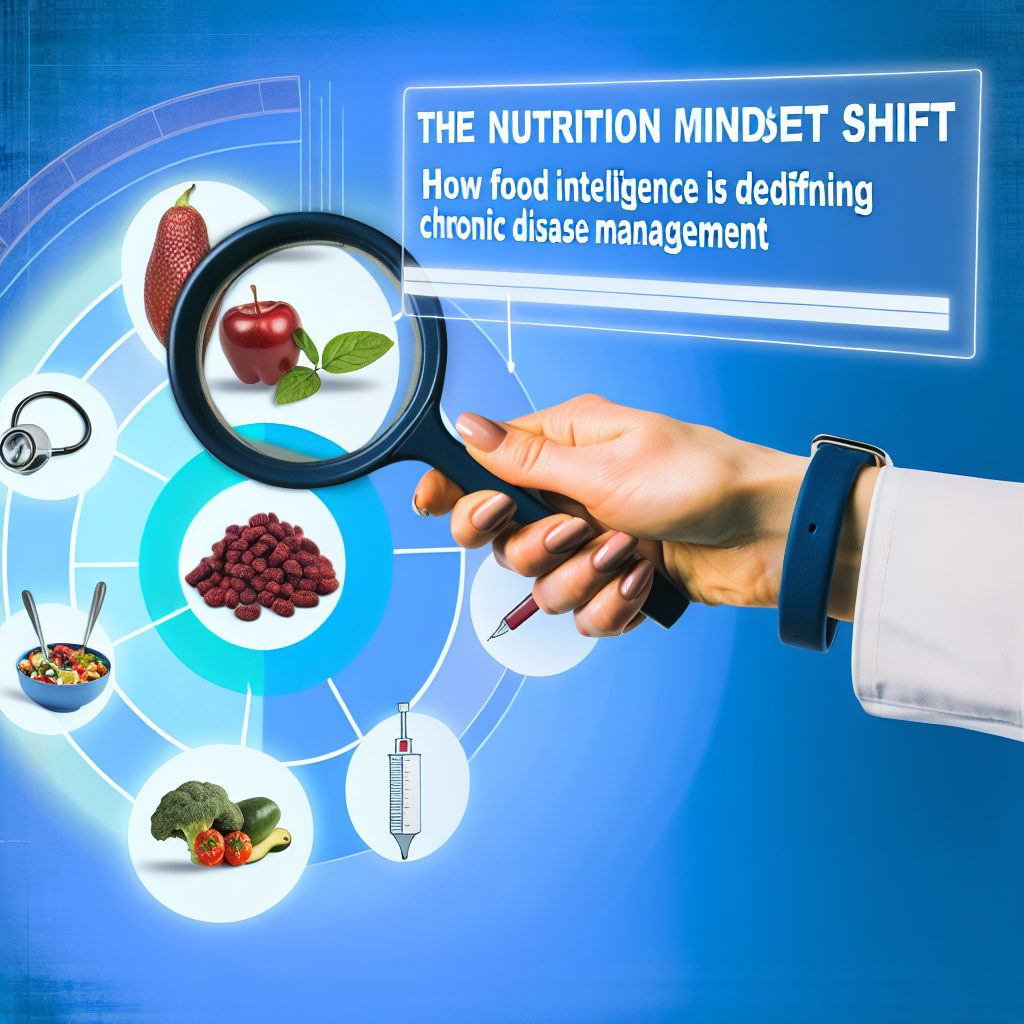
The Nutrition Mindset Shift: How Food Intelligence Is Redefining Chronic Disease Management
In an era where chronic diseases such as diabetes, heart disease, and obesity have become prevalent concerns worldwide, the focus on prevention and management has increasingly turned towards nutrition. This shift moves away from simply treating symptoms with medications and toward understanding food as a core agent of health. The concept of ”food intelligence” is gaining traction amongst health professionals and patients alike, revolutionizing how we approach chronic disease management.
Food intelligence isn’t just about understanding what you put on your plate but involves a comprehensive appreciation of how food affects your body biologically, emotionally, and socially. This knowledge encompasses the nutritional content of foods, the role of different nutrients in bodily functions, and the impact of food choices on health outcomes. The objective is to make food-related decisions that promote overall well-being and, in the context of chronic diseases, potentially reduce dependence on medication, manage disease progression, or even reverse certain conditions.
The significance of this approach lies in its ability to empower individuals to take control of their health proactively. As more studies reveal the link between diet and chronic disease, the potential for food intelligence to become embedded into traditional healthcare practices is immense. This paradigm shift fosters an environment where food becomes medicine, encouraging people to turn to natural remedies, homeopathy, and herbal treatments that support health holistically.
Globally, there’s a growing movement advocating for increased public awareness and education on the intricate connection between nutrition and chronic diseases. Surging access to information via technology has made it easier for individuals to learn about these relationships and implement personalized dietary changes. This democratization of knowledge enables a more informed public, who can work alongside healthcare providers to manage their health proactively. As chronic illnesses strain healthcare systems worldwide, food intelligence represents a compelling, cost-effective mechanism to tackle rising healthcare challenges.
Features:
Recent studies offer strong support for the argument that dietary interventions can effectively prevent or manage chronic diseases. The research community is increasingly concentrating on the long-term impact of food choices on overall health. For instance, a [study published in “The Lancet Public Health”](https://www.thelancet.com/journals/lanpub/home) demonstrated that increased consumption of whole grains, fruits, nuts, and vegetables correlates with reduced risks of heart disease and certain cancers. This acknowledgement asserts the idea that nutrient-rich diets are critical in preventing chronic illnesses.
Moreover, a substantial body of work has highlighted the Mediterranean diet’s success in managing various chronic diseases. An article in [The New England Journal of Medicine](https://www.nejm.org/) discussed a study that illustrated how this diet, rich in fruits, vegetables, whole grains, and healthy fats, significantly reduced incidences of major cardiac events in at-risk populations. These findings emphasize the dramatic impact food choices can have when aligned with specific health goals.
Research is also exploring how herbal and homeopathic treatments complement efforts to improve food intelligence and manage diseases naturally. A study published in the [Journal of Herbal Medicine](https://www.journalofherbalmedicine.com/) detailed how herbs like turmeric and ginger hold anti-inflammatory and antioxidant properties that support healthy organ function and bolster immune responses. As patients become more involved in their health journeys, integrating these treatments with food intelligence strategies offers compelling results.
Simultaneously, technological advancements in food tracking and personalized nutrition interventions are expanding this landscape. Digital applications now allow individuals to monitor their nutrient intake, track health markers, and adapt diets in real-time based on immediate feedback, which further cements the role of food intelligence in chronic disease management.
Conclusion:
The transition from traditional medicine toward embracing food intelligence marks a significant evolution in chronic disease management. With a growing body of scientific evidence and rising public interest, the pursuit of knowledge about nutrition and its health implications is redefining how individuals approach their daily diets. By incorporating natural cures and herbal treatments, individuals can potentially alleviate chronic disease symptoms and enhance their quality of life. As healthcare systems adapt to this changing paradigm, the role of food intelligence will likely become the cornerstone of a preventive health strategy, encouraging a holistic engagement with nutrition that emphasizes its therapeutic potential. Ultimately, fostering a nutrition mindset shift empowers individuals to harness the full health benefits of their dietary choices, paving the way for sustainable health transformations rooted in the power of food.
Concise Summary:
Food intelligence represents a transformative approach in chronic disease management, leveraging a comprehensive understanding of nutrition’s impact on health. This paradigm shift encourages a move away from medication reliance, emphasizing food’s role as medicine. Scientific studies reinforce the efficacy of diets, like the Mediterranean diet, and highlight the potential of integrating herbal treatments such as turmeric and ginger. With digital tools enabling personalized nutrition interventions, individuals are empowered to make informed dietary choices. As healthcare systems adapt, food intelligence offers a proactive, cost-effective strategy in combating chronic disease, promoting natural cures and holistic well-being.

Dominic E. is a passionate filmmaker navigating the exciting intersection of art and science. By day, he delves into the complexities of the human body as a full-time medical writer, meticulously translating intricate medical concepts into accessible and engaging narratives. By night, he explores the boundless realm of cinematic storytelling, crafting narratives that evoke emotion and challenge perspectives.
Film Student and Full-time Medical Writer for ContentVendor.com