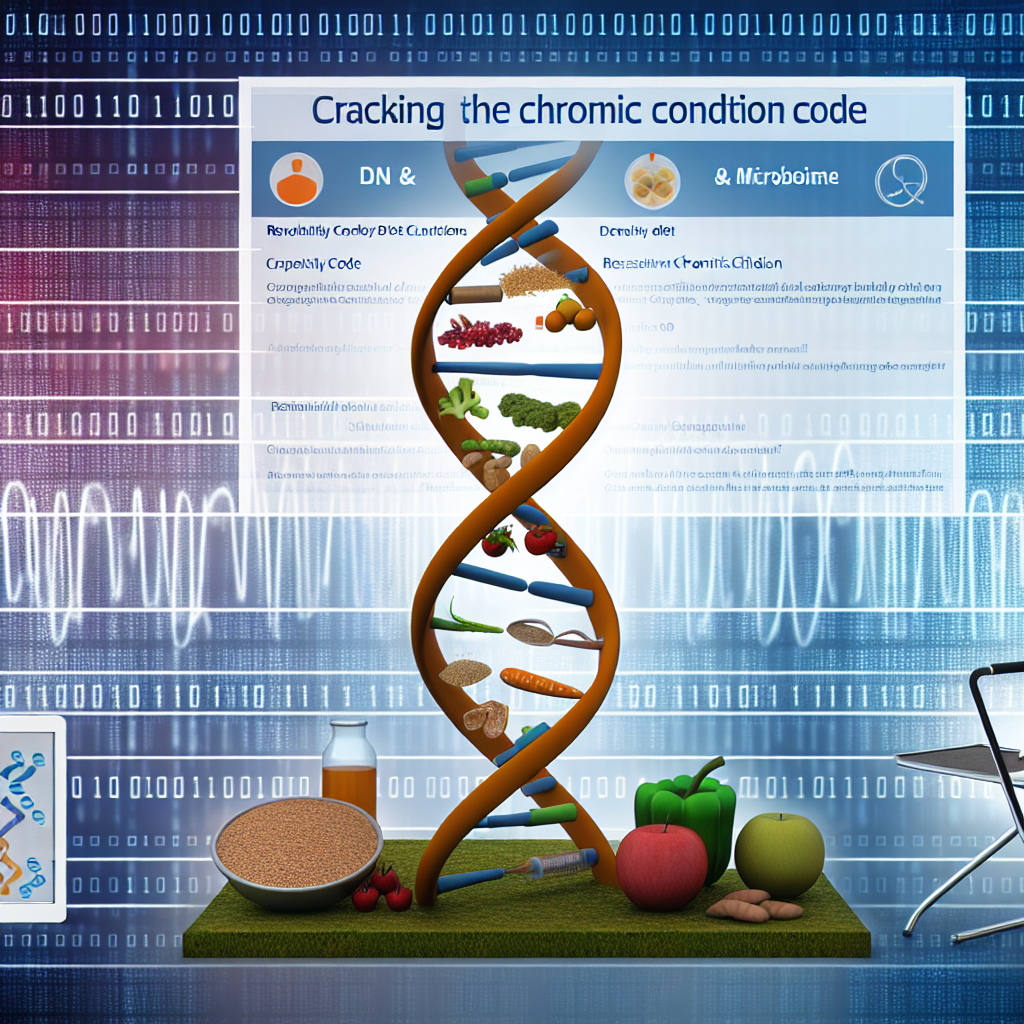
Cracking the Chronic Condition Code: Revolutionary Diet Models Based on DNA and Microbiome Analysis
Introduction
In the quest for optimal health and well-being, many individuals are turning towards personalized nutrition plans that delve deeper than the general “one-size-fits-all” dietary guidelines. Chronic conditions such as diabetes, heart disease, and autoimmune disorders have been traditionally managed with generic dietary advice, often overlooking the unique biological makeup of each individual. However, rapid advancements in the fields of genomics and microbiome research have ushered in a new era of nutrition: diet models based on DNA and microbiome analysis.
A personalized diet model is an approach that considers the intricate complexities of an individual’s genetic makeup and gut microbiota. The human genome and microbiome are two crucial elements influencing how the body responds to various nutrients, affecting everything from metabolic processes to immune responses. For example, certain genetic variations can affect how efficiently an individual metabolizes fats or carbohydrates, indicating which foods might be more beneficial or harmful over time.
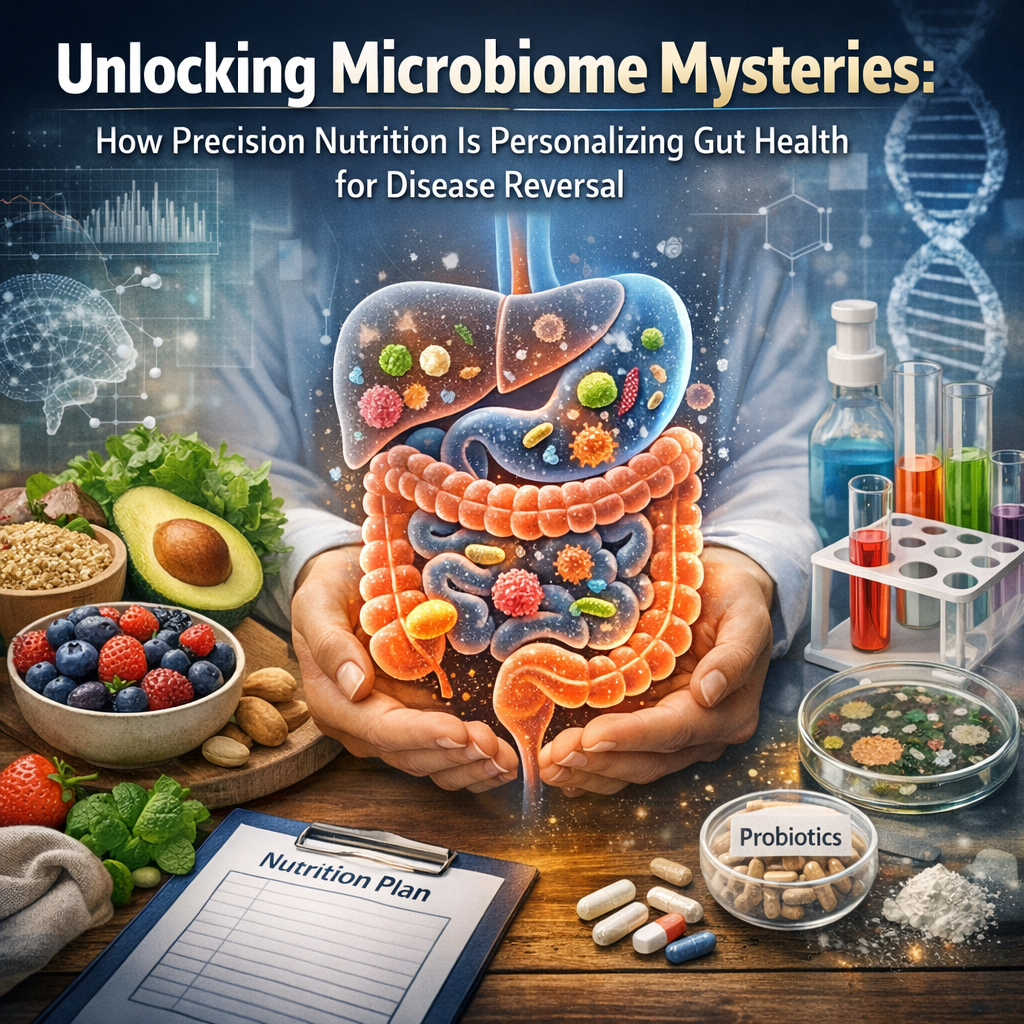
Microbiome analysis adds another layer by examining the trillions of microorganisms residing in the gut. These microbiota are pivotal in nutrient absorption, vitamin synthesis, and even in mitigating inflammation and chronic disease risk. Research suggests that a balanced gut microbiome can lead to enhanced digestion, improved immunity, and better mental health. Conversely, an imbalanced microbiome is often linked to numerous chronic conditions such as obesity, diabetes, and inflammatory bowel disease.
By cracking the chronic condition code through personalized diet models, individuals can receive tailored nutritional advice that accounts for their unique genetic and microbiotic composition. This cutting-edge approach moves away from generalized dietary restrictions and towards holistic wellness strategies that promise long-lasting health benefits. As the understanding of DNA and microbiome research continues to evolve, so too will these innovative dietary interventions, providing hope to millions seeking natural and effective solutions for chronic health management.
Features
The concept of personalized nutrition leveraging DNA and microbiome insights is rapidly gaining traction, supported by a growing body of professional and medical studies. A 2017 study published in the journal *Cell* examined how individual responses to food are more personalized than previously thought. The research involved blood sugar monitoring in response to meals in a diverse group of individuals and found substantial variation, highlighting that universal dietary advice might not be effective for everyone [Study on Blood Sugar Variation](https://www.cell.com).
Another significant study conducted by the Zurich University of Applied Sciences further cemented the link between genetic makeup and diet effectiveness. Researchers discovered that participants following a diet plan aligned with their genetic profile lost weight more efficiently and experienced improved health markers compared to a control group on a standard diet [Research on Genetic Profiles and Diet](https://www.zhaw.ch).
Microbiome analysis is also becoming an essential component of personalized nutrition. The American Gut Project, one of the largest crowdsourced scientific research projects, has been pivotal in understanding the wide variability of the human microbiome and its impacts on health. Preliminary findings indicate that the diversity of gut bacteria is directly linked to overall health, confirming the importance of maintaining a healthy microbiome through personalized diet strategies [The American Gut Project](https://microbiome.ucsd.edu).
Furthermore, a comprehensive review published in *Nature Reviews Gastroenterology & Hepatology* explored how gut microbiota modulation through diet affects various chronic conditions. The authors concluded that dietary interventions tailored to manipulate microbiome composition could provide significant benefits for individuals with conditions such as irritable bowel syndrome and metabolic disorders [Review on Gut Microbiota and Chronic Disease](https://www.nature.com).
Such studies underscore the transformative potential of DNA and microbiome-based dietary interventions. As personalized nutrition continues to develop, it offers a promising avenue for managing and even reversing chronic conditions through specific, scientifically tailored lifestyle modifications.
Conclusion
The integration of DNA and microbiome analysis into personalized diet models represents a groundbreaking shift in the management of chronic conditions. By understanding the genetic and microbial intricacies of each individual, these customized nutrition plans hold the potential to unlock significant improvements in health outcomes. As research in genomics and microbiomics advances, so will the precision and efficacy of these dietary models, paving the way for a future where chronic diseases can be managed more naturally and effectively through targeted nutrition.
This personalized approach transcends traditional dietary recommendations, offering a pathway to enhance overall health and longevity. However, the success of this cutting-edge strategy relies heavily on continued research, technological advancements, and accessibility to such services. For now, those seeking solutions for chronic conditions can harness these innovative insights as part of a comprehensive health strategy, ultimately transforming their wellness journey with personalized precision.
Concise Summary
Personalized diet models based on DNA and microbiome analysis represent a revolutionary approach to managing chronic conditions like diabetes, heart disease, and autoimmune disorders. Unlike traditional dietary guidelines, these models tailor nutrition plans based on an individual’s unique genetic and microbiotic profile. This method considers how genes and gut microbiota impact responses to nutrients, thus optimizing metabolic and immune functions. Supported by studies, this innovative approach promises improved health outcomes, offering a feasible path toward holistic wellness and longevity. Ongoing research and technological enhancements will further refine these dietary strategies, making them more precise and accessible.
References
1. [Study on Blood Sugar Variation](https://www.cell.com) – *Cell*
2. [Research on Genetic Profiles and Diet](https://www.zhaw.ch) – Zurich University of Applied Sciences
3. [The American Gut Project](https://microbiome.ucsd.edu) – University of California, San Diego
4. [Review on Gut Microbiota and Chronic Disease](https://www.nature.com) – *Nature Reviews Gastroenterology & Hepatology*

Dominic E. is a passionate filmmaker navigating the exciting intersection of art and science. By day, he delves into the complexities of the human body as a full-time medical writer, meticulously translating intricate medical concepts into accessible and engaging narratives. By night, he explores the boundless realm of cinematic storytelling, crafting narratives that evoke emotion and challenge perspectives.
Film Student and Full-time Medical Writer for ContentVendor.com