Uncovering the Gut-Immune Axis: How Microbiome Insights Are Revolutionizing Chronic Disease Management
Introduction
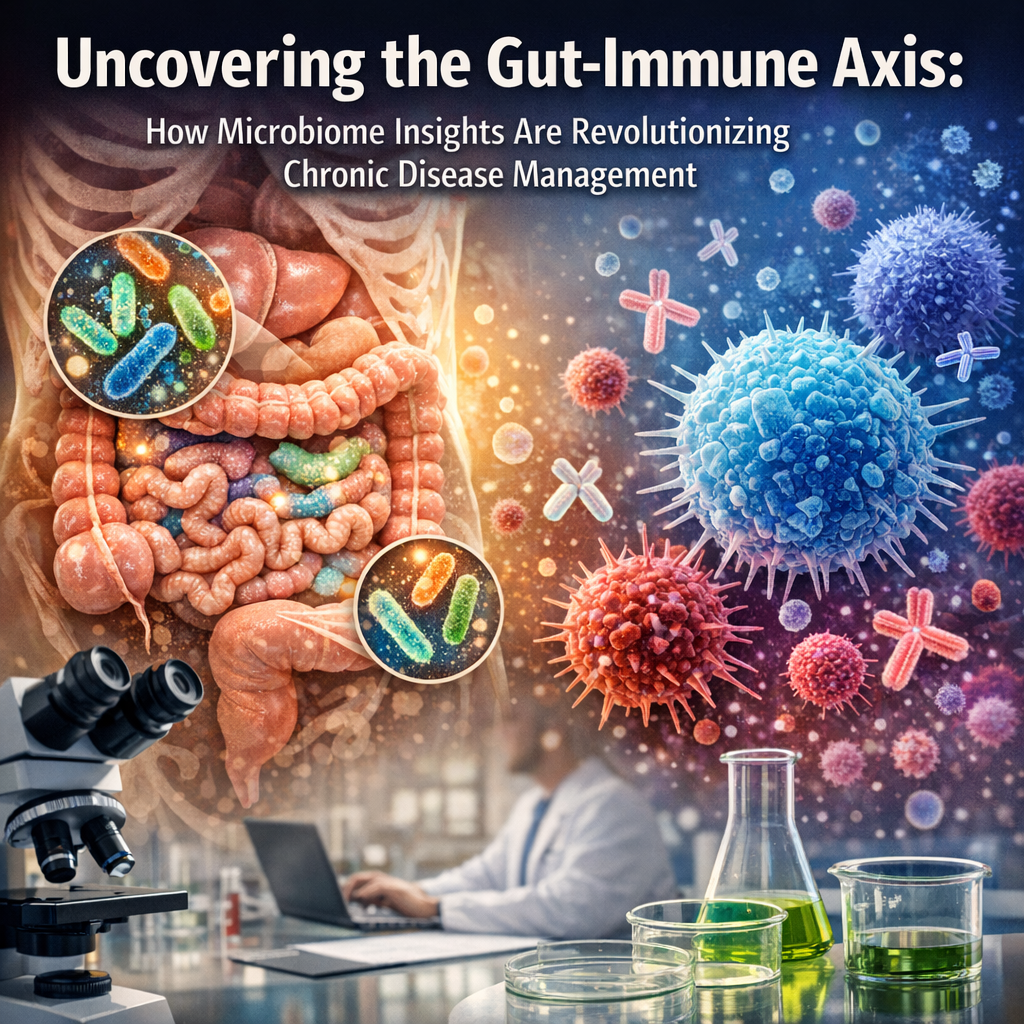
In recent years, the scientific and medical communities have progressively unraveled the complex interactions between our gut and immune system, a relationship now widely recognized as the “gut-immune axis.” This burgeoning field of study has opened new horizons in understanding how numerous chronic diseases develop, paving the way for revolutionary therapeutic interventions through microbiome insights. Here, we explore the intricate web of connections between the gut microbiota—an ecosystem trillions of microorganisms strong—and our immune system, a sophisticated network of cells, tissues, and organs tasked with protecting us against disease.
The gut is often referred to as the body’s “second brain” for a good reason: It houses an extensive nerve network that tunes directly into the brain via the vagus nerve and produces a multitude of neurotransmitters. However, the gut’s influence extends well beyond the brain, impacting systemic inflammation, the balance of immune responses, and even metabolic processes. The gut microbiota, with its diverse microbial species, plays a vital role in producing compounds that the body utilizes for various key functions, including immune regulation.
Research indicates that an imbalance in these microbial communities—often termed dysbiosis—can set off a cascade of adverse health effects that might culminate in chronic diseases such as inflammatory bowel disease (IBD), diabetes, cardiovascular disease, and even neurological disorders like multiple sclerosis. The disruption of the delicate balance between commensal and pathogenic bacteria in the gut microbiome can lead to an overactive immune system, contributing to chronic inflammation—a common denominator in numerous chronic conditions.
Beyond merely maintaining gut health, understanding how to modify gut microbiota composition to restore balance has become a central focus of research in chronic disease management. This revelation aligns with the increasing interest in natural cures, homeopathy, and herbal treatments, offering a holistic approach to health that supports the idea of “food as medicine.” As biotechnology advances, researchers are becoming adept at decoding the microbiome’s role in chronic disease, ushering in a new era of personalized medicine.
Features
A number of professional and medical studies have been integral in illuminating the gut-immune axis’s role in chronic disease management. One landmark study published in [Nature](https://www.nature.com/articles/nature11234) in 2012, conducted by researchers from the University of Pennsylvania, documented that gut microbiota can influence immune function by affecting inflammatory responses. The study highlighted how specific strains of gut bacteria could suppress inflammation-associated genes, suggesting possible pathways for therapeutic intervention.
Furthermore, the [Human Microbiome Project](https://hmpdacc.org), sponsored by the National Institutes of Health, offered monumental insights into the diversity of the human microbiome and its linkage to disease. Findings from this massive research project highlighted that diseases like Crohn’s disease and ulcerative colitis are associated with reduced microbial diversity, implicating specific bacteria in the modulation of immune responses.
Recent advancements in sequencing technologies have further provided insights into how “personalized probiotics” could be developed. A study published in [Cell](https://www.cell.com/cell/fulltext/S0092-8674(20)30947-7) in 2020 by Stanford University researchers delved into personalized microbiome interventions, underscoring how dietary and lifestyle modifications tailored to individual microbiome compositions significantly impacted health outcomes, including in chronic disease markers.
These insights underscore the potential for prebiotic and probiotic therapies to correct imbalances and modulate immune responses effectively. Supplements rich in probiotics, such as lactobacillus and bifidobacterium strains, and dietary fibers like inulin, found in foods such as chicory root, garlic, and onions, may hold the key to correcting dysbiosis and reducing inflammation.
Homeopathic and herbal medicines have also seen renewed interest in this light. Ingredients like turmeric, with its active compound curcumin, have shown promise in modulating gut health and exerting anti-inflammatory effects, as noted in studies published in the [Journal of Clinical Immunology](https://link.springer.com/article/10.1007/s10875-020-00851-0).
Conclusion
The exploration of the gut-immune axis is revolutionizing how we perceive and manage chronic diseases. As scientists continue to unlock the gut microbiome’s complexities, there is growing optimism that targeted microbiome modulation can prevent or attenuate chronic conditions. This holistic approach aligns well with natural and homeopathic treatment paradigms, emphasizing the significance of dietary interventions and individualized medicine.
The field underscores a pivotal shift towards understanding the interconnectedness of bodily systems and the role of environmental and lifestyle factors in health. As we advance, the integration of microbiome science into healthcare has the potential to transform patient outcomes by moving us closer to personalized medicine—where treatments are tailored to an individual’s unique microbial profile. By embracing these insights, patients can engage more fully in proactive health management, leveraging both modern and traditional medicinal practices in their quest for wellness.
Concise Summary
The gut-immune axis is a robust connection between our gut microbiota and immune system, linked to many chronic diseases. Research highlights that gut dysbiosis—an imbalance in microbial communities—can lead to diseases like IBD, diabetes, and cardiovascular issues. Emerging studies emphasize the promise of personalized probiotics and dietary therapies to restore microbial balance and manage systemic inflammation. Traditional therapies, like herbal treatments, amplify these findings. As biotechnology and understanding of microbiome science evolve, a holistic and personalized approach to disease management emerges, offering substantial improvements in patient care.

Dominic E. is a passionate filmmaker navigating the exciting intersection of art and science. By day, he delves into the complexities of the human body as a full-time medical writer, meticulously translating intricate medical concepts into accessible and engaging narratives. By night, he explores the boundless realm of cinematic storytelling, crafting narratives that evoke emotion and challenge perspectives.
Film Student and Full-time Medical Writer for ContentVendor.com