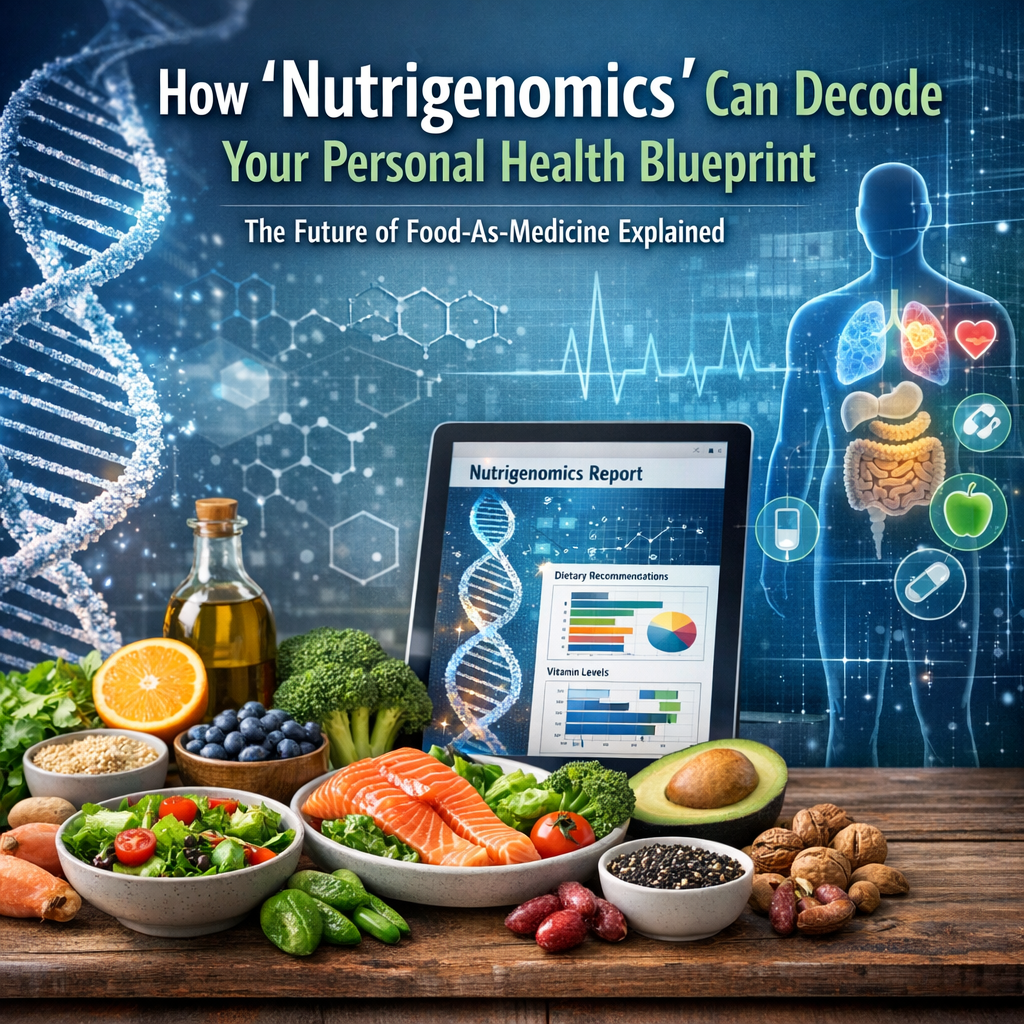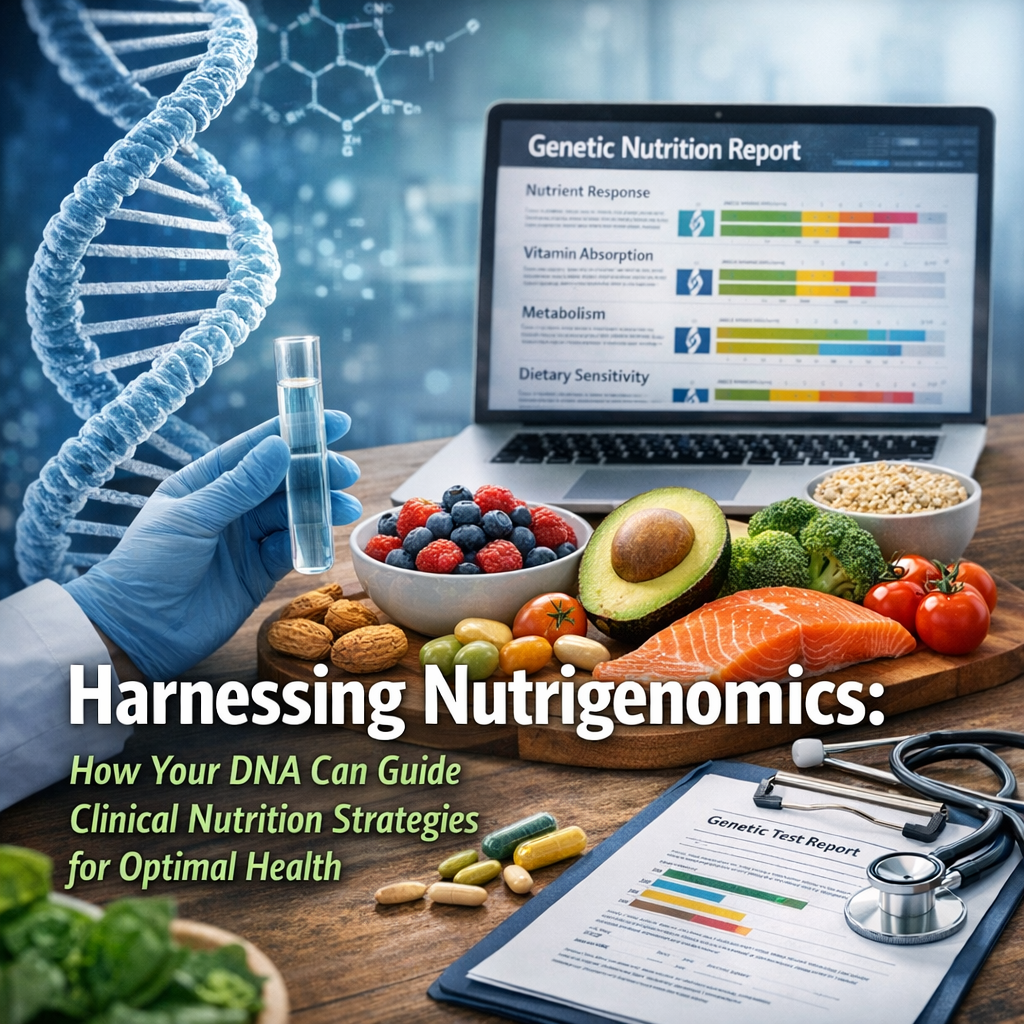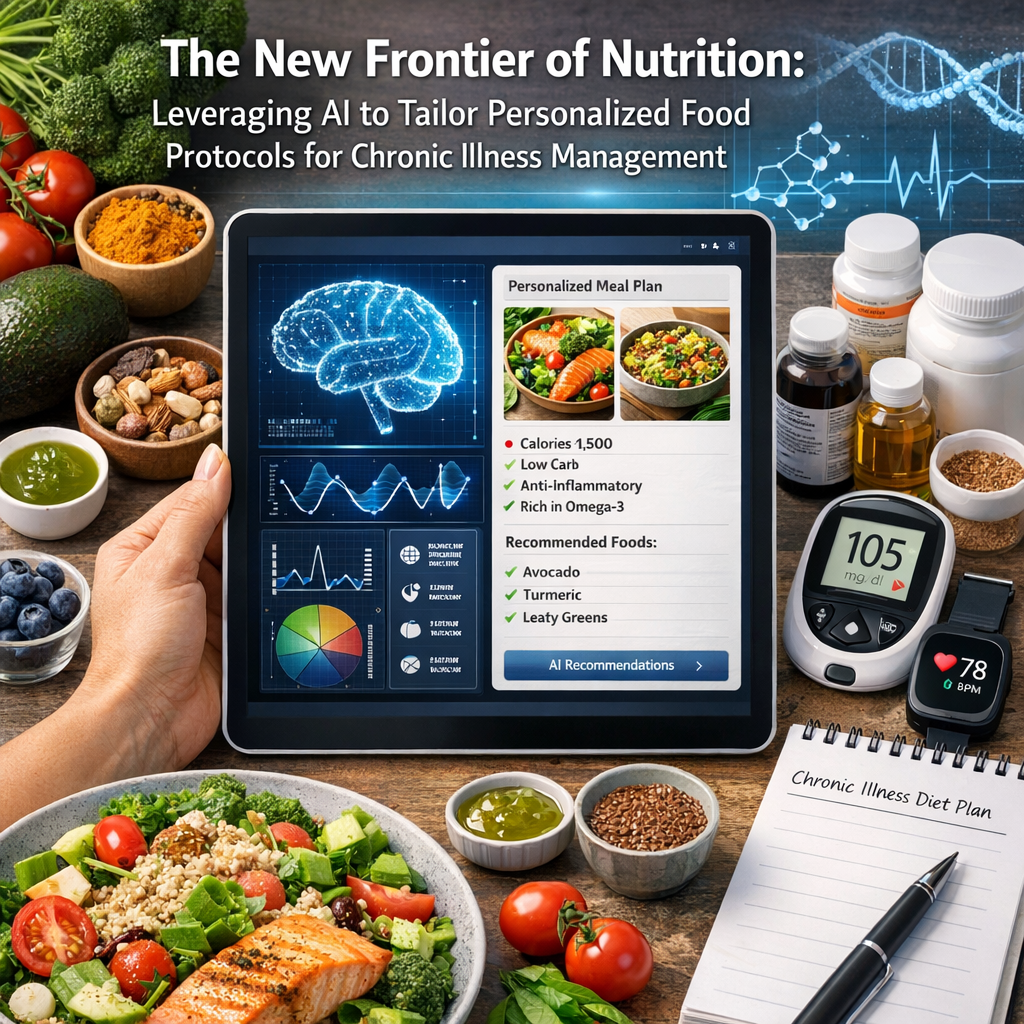
The New Frontier of Nutrition: Leveraging AI to Tailor Personalized Food Protocols for Chronic Illness Management
Introduction
In recent years, the management of chronic illnesses has experienced a transformative shift, with personalized nutrition emerging as a promising frontier. Chronic diseases such as diabetes, heart disease, and autoimmune disorders continue to rise globally, prompting the need for novel solutions that go beyond conventional treatments. Nutrition plays a pivotal role in managing these conditions, and advances in technology are making it possible to personalize dietary strategies like never before.
Artificial Intelligence (AI) is at the core of this transformation, providing unprecedented capabilities to customize nutrition plans based on an individual’s unique physiological and genetic makeup. The application of AI in dietary management is revolutionizing how we approach nutrition by analyzing vast amounts of data to identify nutritional needs and suggest optimal food choices. AI algorithms can process information from various sources, including genetic data, microbiome analysis, lifestyle factors, and clinical history, to tailor nutrition protocols specifically designed for an individual’s needs.
This innovative approach is steering healthcare toward a more proactive model, focusing on disease prevention and the management of existing conditions through personalized dietary interventions. The integration of AI into nutrition allows for real-time adjustments to dietary plans as the individual’s health status and needs evolve. This dynamic personalization is crucial for chronic illness management, where rigid diets often fail due to their inability to adapt to the fluctuating nature of these diseases.
Moreover, AI-driven nutrition plans can enhance patient adherence and outcomes by providing well-informed food choices and minimizing the guesswork associated with manual diet planning. This empowers individuals to take control of their health with easy-to-follow, precise guidelines tailored to their unique biological requirements. As AI technology continues to evolve, it is expected to unlock even more potential in chronic disease management, making the integration of AI in nutrition a critical component of future healthcare strategies.
Features
Recent scientific studies and professional research underscore the effectiveness and promise of AI-driven personalized nutrition in managing chronic illnesses. For example, a study published in the journal *Nature Medicine* demonstrated how AI-based dietary interventions could significantly improve blood sugar control in individuals with type 2 diabetes. By using machine learning algorithms to analyze patient data, researchers tailored dietary suggestions that remarkably reduced glucose variability and improved long-term glucose levels. This study highlights the potential of AI to transform nutritional management into a precise science, fostering better health outcomes for patients.
Another significant study conducted by Stanford University focused on using AI to personalize diets for individuals with cardiovascular conditions. Researchers employed AI models to interpret genetic, clinical, and lifestyle data, providing personalized dietary recommendations that resulted in improved cholesterol profiles and reduced cardiovascular risks. The findings emphasized the critical role of AI in deciphering complex biological interactions to deliver effective nutritional strategies.
Moreover, research from the *American Journal of Clinical Nutrition* showcased how AI could enhance dietary adherence and effectiveness in autoimmune disease management. By leveraging AI’s ability to analyze gut microbiome data, personalized diets were created to decrease inflammation and improve symptom profiles, showing that AI-driven protocols can be harnessed to fine-tune diet based on individual microbiological and immunological needs.
AI’s potential in nutrition intervention is not limited to clinical settings; it is also making headway in consumer applications. Tech companies are developing AI-enabled platforms that provide personalized nutrition advice via mobile apps, allowing users to access tailored food protocols at their fingertips. This wide accessibility democratizes nutritional insights, ensuring that individuals can actively engage in the management of their health conditions.
These studies and technological advancements underline AI’s transformative role in personalized nutrition for chronic illness management, providing a promising outlook for patients and healthcare providers alike. As the sciences of AI and nutrition continue to intertwine, the potential for optimizing health through personalized food protocols continues to grow exponentially.
Conclusion
As we stand at the cusp of nutritional innovation, the integration of AI technology into dietary management for chronic illnesses represents a groundbreaking advancement. By harnessing the analytical power of AI, healthcare providers can offer more precise, adaptive, and effective nutrition plans tailored to the unique needs of individuals. This personalized approach not only improves clinical outcomes but also empowers individuals to take charge of their health, offering a proactive path to managing and potentially mitigating chronic conditions.
The journey from traditional diet planning to AI-informed personalized nutrition marks a new era in health management, grounded in scientific research and bolstered by technological progress. As AI continues to evolve, its application in personalized nutrition promises to refine our understanding of disease and foster healthier futures for countless individuals around the world. Embracing this new frontier of nutrition has the potential to redefine chronic illness management, offering hope for better quality of life and optimal health outcomes.
References
1. AI-Powered Personalized Nutrition Study. *Nature Medicine*.
2. Stanford Cardiovascular AI Research.
3. AI and Autoimmune Disease Management. *American Journal of Clinical Nutrition*.
Concise Summary
Personalized nutrition is emerging as a transformative approach in managing chronic illnesses, with AI at its core. By analyzing genetic, lifestyle, and clinical data, AI customizes dietary plans to meet individual needs, improving outcomes in conditions like diabetes and heart disease. Real-time plan adjustments enhance adherence and precision, while consumer apps democratize access to nutritional insights. Studies show AI’s potential to optimize health, heralding a new era in chronic disease management that offers patients control over their health with tailored food protocols.

Dominic E. is a passionate filmmaker navigating the exciting intersection of art and science. By day, he delves into the complexities of the human body as a full-time medical writer, meticulously translating intricate medical concepts into accessible and engaging narratives. By night, he explores the boundless realm of cinematic storytelling, crafting narratives that evoke emotion and challenge perspectives.
Film Student and Full-time Medical Writer for ContentVendor.com