Unlocking the Food Clock: Timing Your Meals for Maximum Therapeutic Impact
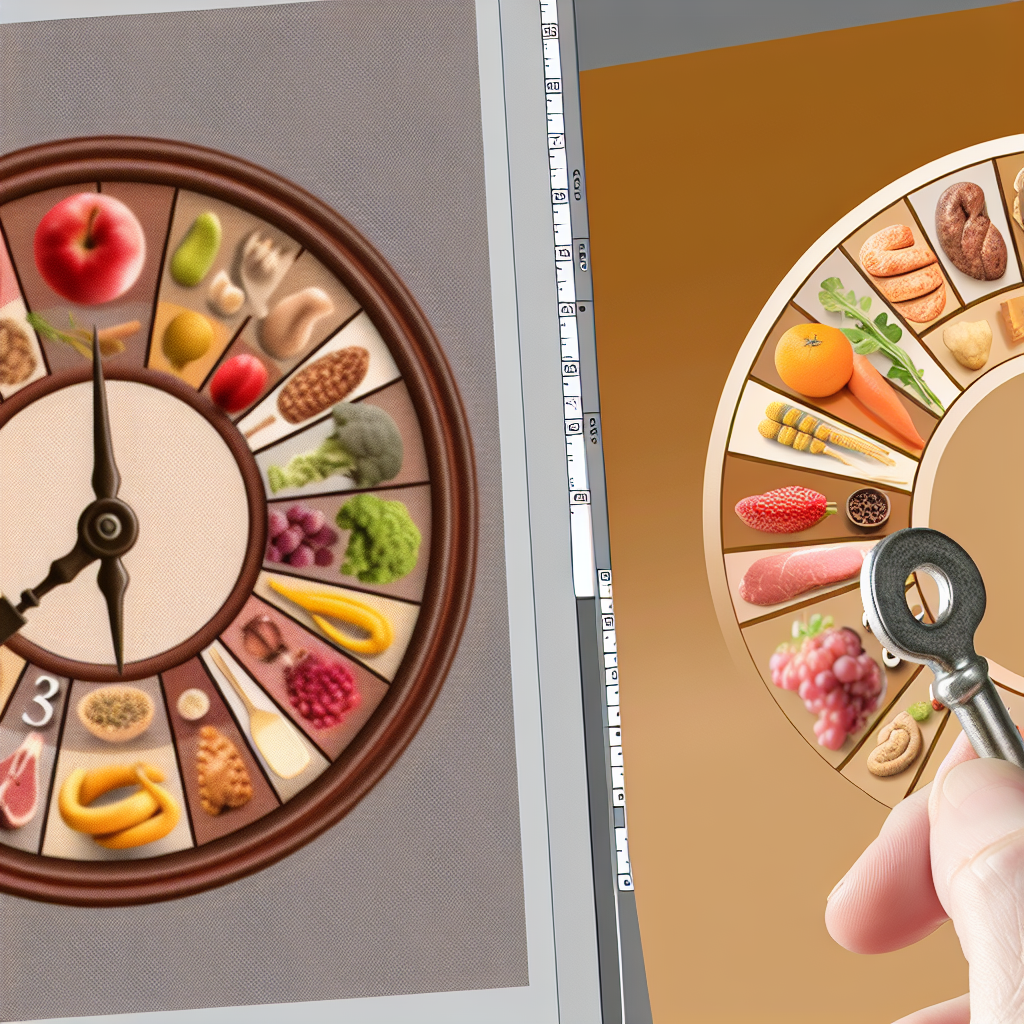
In the quest for optimal health and wellness, more people are turning to natural and holistic solutions. A newer frontier in this area is the concept of the “food clock,” aligning meal timing with the body’s circadian rhythms. Foods are more than just calorie sources; they have therapeutic potentials unlocked by eating at the right times. Our bodies operate on a roughly 24-hour cycle, and eating in harmony with these natural rhythms can enhance digestion, improve metabolic health, and boost mood and cognitive function.
Chrononutrition and Health
The idea is not to restrict or complicate eating habits but to time them to enhance nutrient absorption and synergize with the body’s natural processes. Dr. Satchin Panda, a leading researcher, emphasizes that our circadian rhythms control more than just sleep; they dictate how our bodies process nutrients. Insulin sensitivity is higher in the morning, suggesting that consuming carbohydrates earlier in the day may be more efficient compared to the evening.
Moreover, timing of herbal and homeopathic treatments is crucial. For instance, lavender and chamomile aid relaxation best in the evening, while peppermint and ginger are beneficial for morning digestion and energy.
Research Supporting Chrononutrition
Several studies underscore benefits of aligning food intake with the body’s natural rhythms. A study in *Cell Metabolism* ([Jakubowicz et al., 2013](https://doi.org/10.1016/j.cmet.2013.06.013)) showed that a high-calorie breakfast and low-calorie dinner led to more weight loss and improved triglyceride levels and insulin sensitivity. This highlights how meal timing can influence metabolic parameters beyond calorie counting.
Another study by Sutton et al. ([2018](https://doi.org/10.1016/j.cmet.2018.09.009)) explored time-restricted feeding, a form of intermittent fasting where eating is confined to a specific window of time. Restricting meals to the daytime improved insulin sensitivity, blood pressure, and oxidative stress.
Additionally, a review in the *Current Opinion in Clinical Nutrition & Metabolic Care* ([Chowdhury et al., 2019](https://doi.org/10.1097/MCO.0000000000000646)) suggests chrononutrition could enhance wellness and prevent metabolic diseases. Although more research is needed, there’s promising potential for using meal timing for therapeutic purposes.
The ancient practice of Ayurveda has long advocated harmonizing meal times with the body’s internal clock. Ayurveda emphasizes a large mid-day meal when digestive fire is strongest and lighter meals in the evening, aligning with modern circadian biology findings.
Maximizing Nutrient Absorption
These insights are crucial for individuals using natural and homeopathic remedies. Understanding when nutrients and herbal components are best absorbed maximizes their effectiveness, transforming meals into powerful holistic therapies.
Conclusion
Understanding the body’s internal clock offers opportunities to enhance health through meal timing. Incorporating food clock principles transforms how we think about nutrition, shifting focus from what we eat to when we eat. This approach, backed by emerging scientific research and traditional wisdom like Ayurveda, offers a promising pathway to better metabolic health, weight management, and overall well-being.
For those seeking natural cures and herbal treatments, timing these treatments with the body’s circadian rhythms could enhance effectiveness. It’s about optimizing natural processes, turning each meal into a step toward better health. Consult healthcare professionals to adapt these practices to your needs.
Summary
Chrononutrition leverages the body’s natural rhythms by timing meals to enhance health. Research supports meal timing’s impact on weight loss, insulin sensitivity, and metabolic health. Eating in sync with the body’s circadian rhythms can optimize nutrient absorption, digestion, and energy use, integrating seamlessly with traditional medicinal practices like Ayurveda. This holistic approach, combined with herbal remedies timed to maximize effectiveness, transforms everyday nutrition into a therapeutic practice. As research grows, these insights provide new avenues for achieving optimal health and wellness naturally, with guidance from healthcare professionals where needed.

Dominic E. is a passionate filmmaker navigating the exciting intersection of art and science. By day, he delves into the complexities of the human body as a full-time medical writer, meticulously translating intricate medical concepts into accessible and engaging narratives. By night, he explores the boundless realm of cinematic storytelling, crafting narratives that evoke emotion and challenge perspectives.
Film Student and Full-time Medical Writer for ContentVendor.com