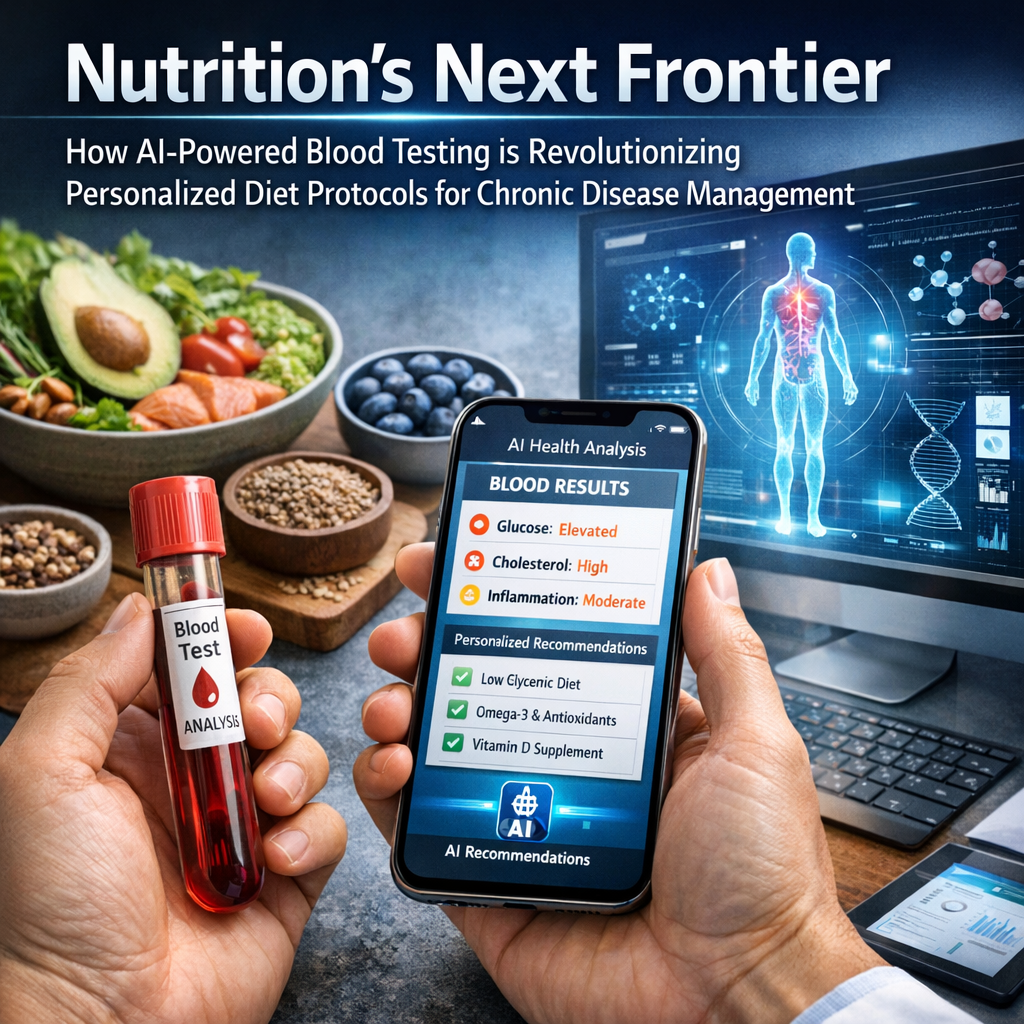
Nutrition’s Next Frontier: How AI-Powered Blood Testing is Revolutionizing Personalized Diet Protocols for Chronic Disease Management
In recent years, the intersection of technology and health has opened new avenues for disease prevention and management. With the advent of artificial intelligence (AI) and machine learning, the healthcare landscape is transitioning from a one-size-fits-all approach to highly individualized care. A groundbreaking application of this shift is the use of AI-powered blood testing to develop personalized diet protocols for managing chronic diseases. Traditional dietary recommendations often fail to consider the unique biochemical makeup of each individual, leading to suboptimal results. AI blood testing, however, offers the promise of tailored nutritional guidance that can more effectively address chronic conditions such as diabetes, cardiovascular disease, and obesity.
The complexity of managing chronic diseases lies in the multiplicity of factors influencing them. Genetics, lifestyle, diet, and environment all play a role in disease progression and management. AI-powered blood testing leverages machine learning algorithms to analyze biomarkers found in the blood, providing insights into an individual’s specific health needs. These tests can detect nutrient deficiencies, hormone imbalances, and markers of inflammation that standard tests might overlook. With this granular information, healthcare providers can curate diet plans that address root causes rather than merely alleviating symptoms.
Furthermore, AI-driven blood tests offer dynamic dietary recommendations that evolve with an individual’s health status. Unlike static diet plans, which may become obsolete as body chemistry changes, AI algorithms adjust recommendations in real-time, ensuring ongoing alignment with health goals. This dynamic approach is particularly beneficial for chronic disease management, where progress and regress are common. For instance, a blood test may initially indicate a need for higher omega-3 intake, but as inflammation markers decrease, the AI might adjust the diet plan to focus on another pressing need, such as antioxidant intake.
The potential for AI in personalized nutrition is vast. For patients with chronic diseases, personalized diet protocols could reduce medication dependence, improve quality of life, and extend lifespan. Moreover, as AI systems become more sophisticated, they will consider an increasing array of data points—from genetic information to lifestyle habits—making dietary advice even more precise and comprehensive.
Features: Professional and Medical Studies
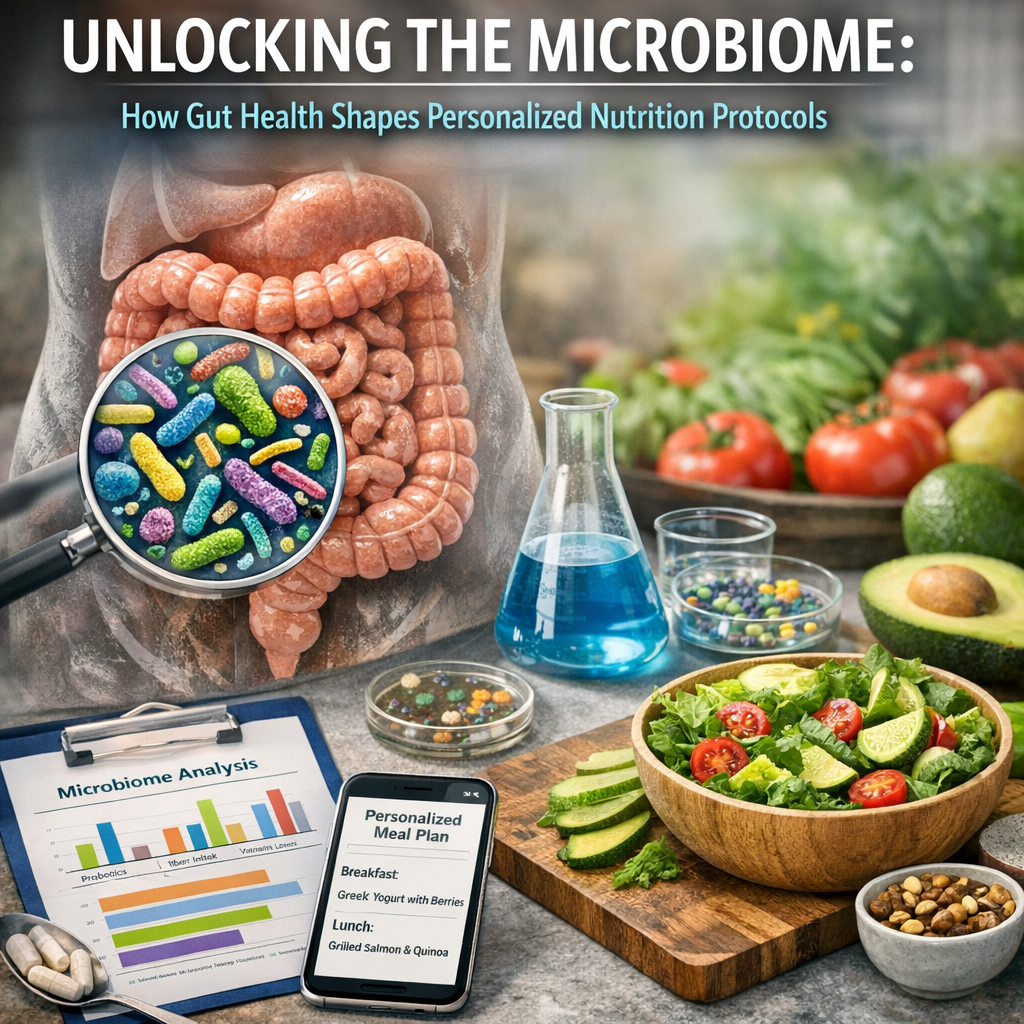
Research in AI-powered personalized nutrition is still in its nascent stages, but promising studies are already indicating its potential. A study published in *Nature* highlighted the potential of AI in predicting glycemic responses to meals through blood samples. Researchers used AI algorithms to analyze data from continuous blood glucose monitors and found that factors like gut microbiome composition and dietary habits could predict blood sugar responses more accurately than traditional models. This research underscores AI’s capability to contribute to the management of diabetes, a chronic disease affecting millions worldwide.
Similarly, a research study documented in the *Journal of Biomedical Informatics* detailed how AI systems could identify correlations between specific dietary patterns and cardiovascular health outcomes. By analyzing blood samples, the researchers could provide participants with personalized nutrition advice tailored to improve heart health. The study noted significant improvements in cholesterol levels and blood pressure among participants who adhered to the AI-driven recommendations versus those following standard dietary guidelines.
Moreover, AI-augmented blood testing is being used to refine the science of nutrigenomics, which studies how genetic variations affect an individual’s response to nutrients. A clinical study conducted at Stanford University demonstrated how AI could interpret complex genetic data to suggest dietary modifications that optimize metabolic health. The study’s findings indicated that such personalized interventions could play a pivotal role in preventing and managing obesity, one of the leading causes of chronic disease globally.
These studies collectively illustrate the groundbreaking potential of AI-powered blood testing in revolutionizing diet protocols for chronic disease management. As the body of research grows, we can expect a paradigm shift from general dietary recommendations to precision nutrition models that leverage AI’s analytical prowess.
Conclusion
AI-powered blood testing marks a significant leap forward in the domain of personalized nutrition, particularly for chronic disease management. By providing a detailed, data-driven analysis of an individual’s unique biological needs, AI-driven protocols offer the potential to tailor diet plans more effectively than ever before. Such personalized nutrition strategies can address the root causes of chronic conditions, enhancing treatment efficacy and improving overall health outcomes. As technology continues to innovate in this space, the integration of AI in personalized diet protocols is likely to become a cornerstone of chronic disease management, paving the way for a healthier, more tailored approach to nutrition. The future of healthcare is increasingly personalized, and AI-powered nutrition is at the forefront of this transformation.
References
1. Nature study on predicting glycemic responses: [Nature](https://www.nature.com/articles/nature14232)
2. Journal of Biomedical Informatics cardiovascular study: [Journal of Biomedical Informatics](https://www.sciencedirect.com/science/article/pii/S1532046415300488)
3. Stanford University study on nutrigenomics: [Stanford Medicine](https://med.stanford.edu/news/all-news/2010/02/stanford-genomics-study-shows-personalized-nutrition-plans-more-effective-in-weight-control.html)
Concise Summary: AI-powered blood testing is transforming personalized nutrition by providing tailored dietary guidance for chronic disease management. AI utilizes biomarkers to customize diet plans, addressing root causes rather than symptoms, thus enhancing chronic disease treatment efficacy. Dynamic dietary recommendations evolve with health status, promising improved life quality. Studies underscore AI’s potential in predicting glycemic responses and improving heart health. As technology advances, AI-driven nutrition may become essential in personalized healthcare, marking a shift from generic diets to precision nutrition aimed at optimizing health outcomes.

Dominic E. is a passionate filmmaker navigating the exciting intersection of art and science. By day, he delves into the complexities of the human body as a full-time medical writer, meticulously translating intricate medical concepts into accessible and engaging narratives. By night, he explores the boundless realm of cinematic storytelling, crafting narratives that evoke emotion and challenge perspectives.
Film Student and Full-time Medical Writer for ContentVendor.com