Nutritional Mythbusting: Why Popular Diet Trends Might Be Hijacking Your Health Goals
Topic Introduction
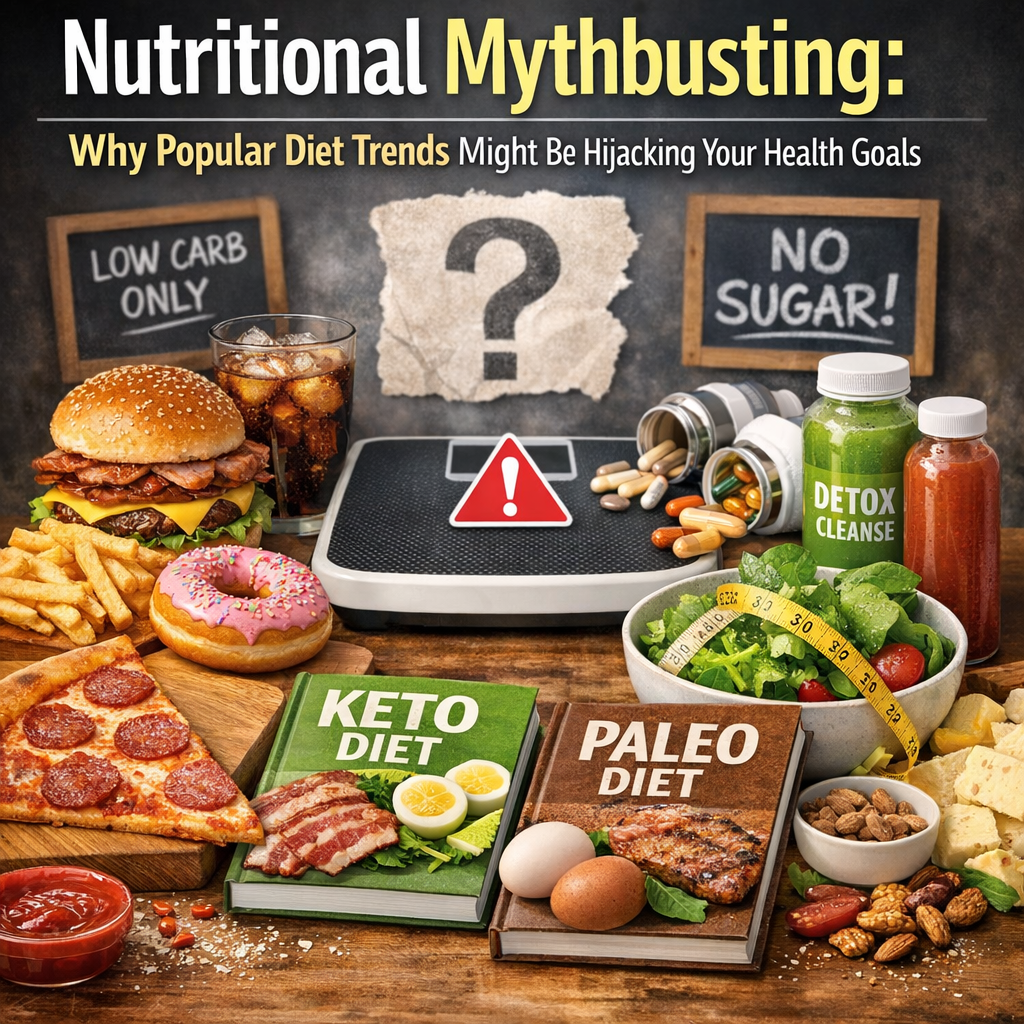
In the era of social media influencers and instant online search results, diet trends can spread like wildfire. From keto and paleo to intermittent fasting, the nutritional landscape is awash with a tidal wave of trends claiming to be the ultimate solution for weight loss and improved health. But while these diets may promise quick results, the reality is often more complex and nuanced. Many popular diets can inadvertently derail your health goals, primarily because they aren’t one-size-fits-all solutions. Understanding the potential pitfalls of these diet trends is crucial to making informed dietary decisions that truly benefit your health.
Consumers are increasingly turning to natural cures, homeopathic remedies, and herbal treatments in pursuit of a healthier lifestyle. However, the integration of these natural approaches with diet trends can sometimes lead to confusion and mixed results. The crux of the problem lies in the oversimplification of nutrition by some diet trends, which often fail to consider individual nutritional needs and the body’s complex physiological responses. The allure of these trends often lies in their simplicity and promise of rapid weight loss or improved health. However, such appealing promises can come at the expense of nutritional balance and overall well-being.
The landscape of nutrition is riddled with myths and misconceptions, many of which are perpetuated by these popular diet trends. As a result, it’s all too easy for individuals to fall into the trap of following a diet that might be more harmful than beneficial. Nutritional needs are highly individual, influenced by a range of factors including age, gender, activity level, and pre-existing health conditions. Consequently, a diet trend that works wonders for one person may be wholly ineffective or even detrimental, for another.
It’s important to approach diet trends with a critical eye, armed with factual information to distinguish between genuine health benefits and marketing hype. By debunking some common nutritional myths associated with popular diet trends, individuals can make more informed choices that align with their personal health goals.
Features
There is a growing body of scientific research examining the impacts of popular diet trends on health. A study published in the Journal of the American Medical Association (JAMA) explored the effects of low-carb diets, such as the ketogenic and paleo diets, and found that while these diets may offer short-term weight loss benefits, they can also lead to nutritional imbalances and metabolic issues due to restrictive carbohydrate intake. The authors of the study emphasize the importance of maintaining a balanced macronutrient profile to promote sustainable health outcomes. [source](https://jamanetwork.com/journals/jama)
Furthermore, intermittent fasting has garnered significant attention as a promising dietary intervention. According to a review published by the New England Journal of Medicine, intermittent fasting can provide benefits such as improved cardiovascular health and reduced inflammation. However, the review also highlighted potential downsides, such as the risk of binge eating and nutrient deficiencies if not properly managed. [source](https://www.nejm.org/doi/full/10.1056/NEJMra1905136)
The allure of detox diets is another example of a trend that may not deliver on its promises. Despite claims of “cleansing” the body from toxins, there is little scientific evidence to support the efficacy of detox diets. The human body is equipped with its own sophisticated detoxification systems, primarily in the liver and kidneys, which efficiently process and eliminate toxins without the need for extreme dietary interventions. A study in the Journal of Human Nutrition and Dietetics advised caution against restrictive detox diets, emphasizing the importance of a nutritionally balanced and diverse diet for optimal health. [source](https://onlinelibrary.wiley.com/doi/abs/10.1111/jhn.12381)
Moreover, the impact of overly restrictive diets on mental health is often overlooked. A study by the University of Pennsylvania examined the psychological toll of dieting, finding a correlation between restrictive eating patterns and increased stress and anxiety levels. This underscores the importance of approaching diet and nutrition holistically, considering not only the physical but also the mental health implications of dietary choices. [source](https://repository.upenn.edu/mapp_capstone/157/)
Conclusion
In the quest for health, wellness, and an ideal body, diet trends can seem like an attractive shortcut. However, it’s crucial to separate fact from fiction when it comes to popular dietary practices. Comprehensive understanding and critical evaluation, supported by scientific research, are key to identifying the myths that can sabotage health goals. It is important for individuals to recognize the value of personalized nutrition, designed to meet their unique health needs and lifestyle preferences, rather than succumbing to the generalized promises of mainstream diet trends. By doing so, they can create a sustainable and effective dietary approach that aligns with their overall health objectives, leveraging the benefits of natural and herbal remedies where appropriate to complement an individualized nutritional strategy.
Concise Summary
In the fast-evolving world of dietary trends, popular diets like keto, paleo, and intermittent fasting are attracting attention with promises of rapid health benefits. However, these trends often oversimplify nutrition, leading to potential nutritional imbalances and adverse mental health impacts. Scientific research emphasizes the need for balanced macronutrients and highlights that effects of these diets can vary greatly among individuals. Detox diets, despite their popularity, lack scientific backing, as our bodies naturally detoxify. A personalized nutritional approach, supported by fact over fiction, is essential for sustainable health outcomes.

Dominic E. is a passionate filmmaker navigating the exciting intersection of art and science. By day, he delves into the complexities of the human body as a full-time medical writer, meticulously translating intricate medical concepts into accessible and engaging narratives. By night, he explores the boundless realm of cinematic storytelling, crafting narratives that evoke emotion and challenge perspectives.
Film Student and Full-time Medical Writer for ContentVendor.com