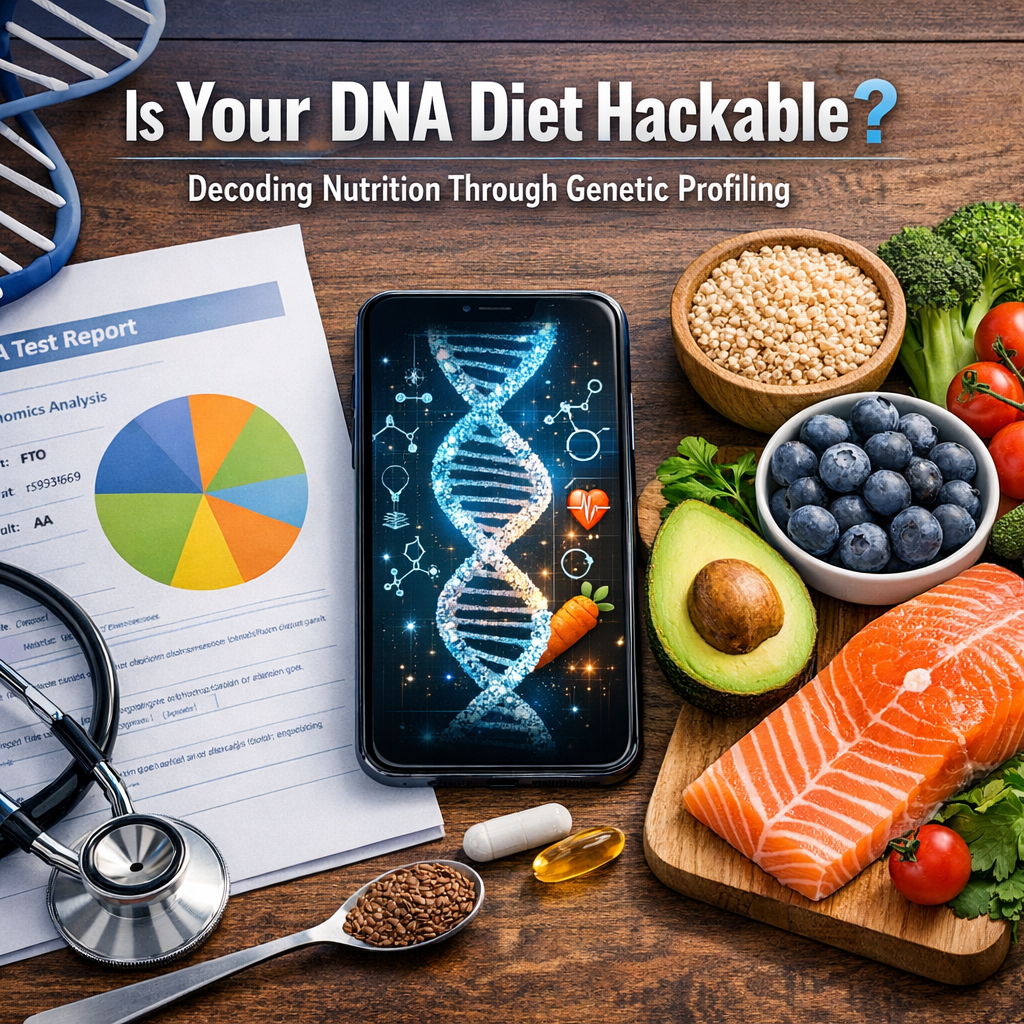
Is Your DNA Diet Hackable? Decoding Nutrition Through Genetic Profiling
In recent years, the intersection of genetics and nutrition has drawn immense interest, particularly as genetic profiling becomes more accessible to the public. The idea that our unique genetic composition can guide personalized dietary choices — often referred to as a DNA diet — is both compelling and complex. It promises the chance to revolutionize our approach to nutrition, focusing on optimization at a molecular level and potentially transforming our health outcomes.
The concept of a DNA diet stems from the field of nutrigenomics, which studies the interaction between nutrition and genes. The principle is straightforward: by examining your genetic blueprint, you can uncover how your body processes nutrients, how susceptible you may be to certain diet-related diseases, and which foods may work best with your unique genetic setup. This can be particularly valuable for people battling chronic conditions like obesity, diabetes, and heart disease. Imagine a diet specifically tailored to prevent illness or enhance your body’s ability to metabolize nutrients, thus optimizing health and performance.
However, while the prospect is revolutionary, it’s crucial to acknowledge that the science is still emerging. While our genetic code does play an essential role in determining our nutritional needs, it’s not the sole determinant of our health. Environmental factors, physical activity, lifestyle choices, and emotional wellbeing are equally crucial and intricate components that interplay with our genetic predispositions.
Moreover, personalized nutrition has the potential to make the traditional “one-size-fits-all” dietary guideline obsolete. Historically, nutritional guidelines have been developed to address the general population’s needs, sometimes overlooking significant individual variances. With genetic profiling, nutrition advice can now potentially be more accurate. The promise of a diet plan that is both intelligent and bespoke is, indeed, revolutionary — paving a path to a future where we eat less out of habit and more out of informed choice.
Nevertheless, with such promises come challenges. Ethical concerns around data privacy and accuracy of genetic testing remain. Additionally, genetic testing can be cost-prohibitive for many and is not always covered by insurance. Nevertheless, as science advances, these challenges are likely to be met with more innovative solutions, bringing personalized nutrition within reach for a broader audience.
Features: The Science Behind Genetic Profiling and Nutrition
Several professional and scientific studies have contributed to understanding how genetic profiling can inform dietary choices. The [Human Genome Project](https://www.genome.gov/human-genome-project), which mapped all the genes in the human genome, laid the foundation for such personalized approaches to diet. It illuminated the genetic variability among individuals, offering insights into how this variability could affect nutrition and health.
The burgeoning field of nutrigenomics has uncovered several links between genes and nutrition. For instance, a study published in the journal [Nutrients](https://www.mdpi.com/2072-6643/9/1/65) discussed how variations in the FTO gene affect metabolic rates and responses to dietary fats, influencing obesity risks. Individuals with certain FTO gene variants may find low-fat diets less effective for weight loss than low-calorie diets. This indicates that understanding one’s genetic makeup could direct a more effective strategy for managing weight.
Moreover, recent research, like the [PREDICT study](https://journals.sagepub.com/doi/10.1177/1559827620946643) — the largest on human nutritional responses — suggests that individual responses to food are highly variable and influenced by a combination of genetics, dynamic microbiome profiles, and other individual lifestyle factors. This study supports the potential of using genetic information alongside other data to create more effective dietary interventions.
Furthermore, a paper in the [Nature Genetics journal](https://www.nature.com/articles/s41588-018-0085-8) stressed that while genetics play a role in nutrition, gene-diet interactions are complex. The authors highlight that personalized nutrition approaches must be integrated with traditional dietary guidelines and consider broader health contexts, rather than focusing solely on genetic data.
Ethical and practical concerns also arise: data security is paramount as genetic data is sensitive and personal. Consumers and professionals must also navigate the rapidly evolving landscape of nutritional genomics companies, ensuring they rely on reputable and scientifically sound sources. Access to accurate, scientifically validated information and translating genetic findings into actionable dietary advice remains a challenge that requires ongoing research and training for practitioners.
Conclusion
As we stand on the precipice of applying genetic insights to nutrition, the potential for personalized DNA diets is vast yet complex. The integration of genetic data into nutrition provides a glimpse into a future where dietary interventions are more precise and tailored to individual needs, reflecting our unique biological predispositions. However, it’s vital to approach this innovation with a balanced perspective — understanding that while genes are crucial, they are part of a larger tapestry of factors influencing health.
The continuing evolution of genetic research will likely yield more reliable and practical applications in the coming years. But for now, embracing a DNA diet requires balancing the scientific promise with practical considerations — understanding the limits of current nutritional genomics while leveraging its insights to enhance wellbeing. As our understanding deepens, personalized nutrition may very well become a staple of health care, ushering in an era where every meal is a step toward holistic, individualized health optimization.
Concise Summary
The emergence of DNA diets, centered on nutrigenomics, offers exciting opportunities for tailored nutrition based on genetic profiling. By understanding one’s genetic blueprint, it can optimize dietary choices and combat chronic conditions like obesity and diabetes. However, scientific development remains in progress, with ethical and financial considerations. Personalized nutrition, while promising, should be balanced with traditional methods, considering broader health determinants. As technology advances, these approaches may become more accessible, pointing towards a future where every meal is personalized to maximize health outcomes.

Dominic E. is a passionate filmmaker navigating the exciting intersection of art and science. By day, he delves into the complexities of the human body as a full-time medical writer, meticulously translating intricate medical concepts into accessible and engaging narratives. By night, he explores the boundless realm of cinematic storytelling, crafting narratives that evoke emotion and challenge perspectives.
Film Student and Full-time Medical Writer for ContentVendor.com