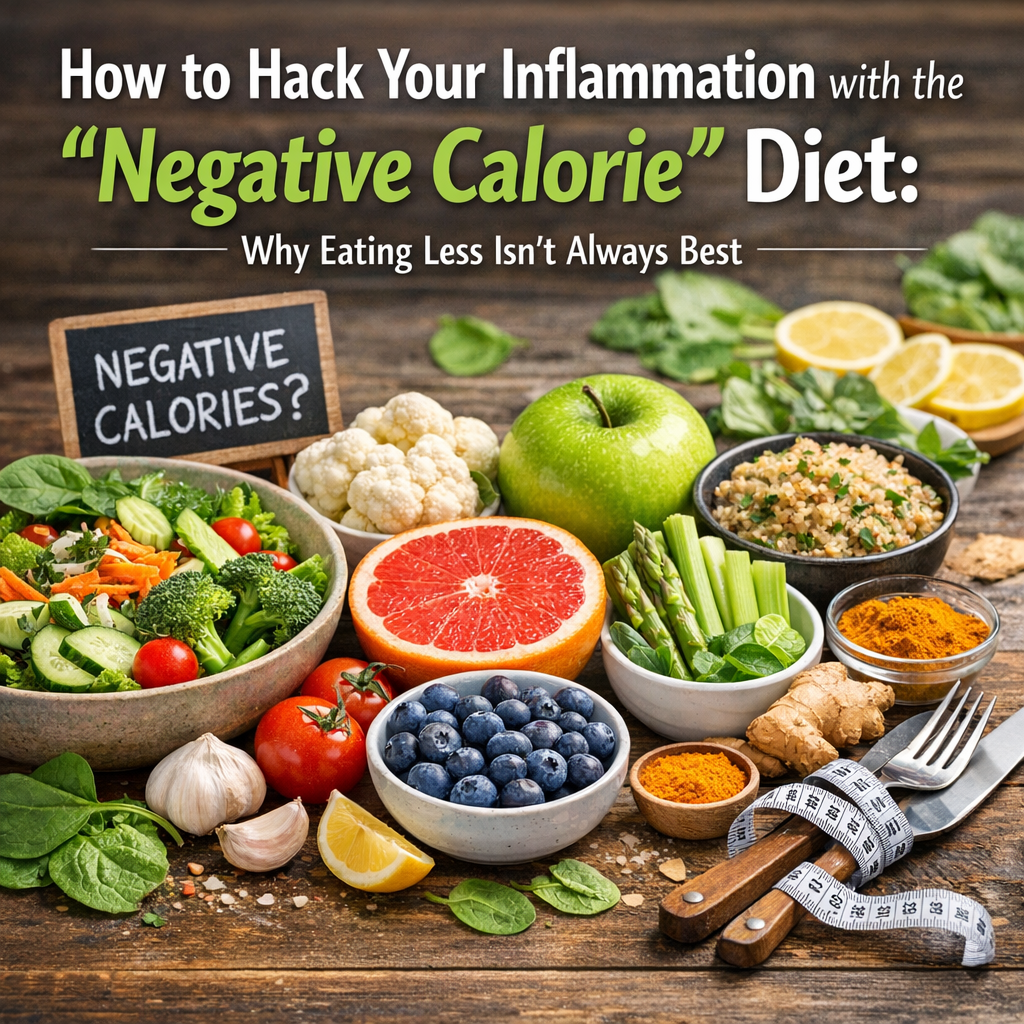
How to Hack Your Inflammation with the “Negative Calorie” Diet: Why Eating Less Isn’t Always Best
Introduction
Inflammation is a common body response to injury or illness, yet it can turn chronic and cause several health issues like arthritis, heart diseases, and even certain cancers. With the increasing desire for holistic health solutions, many people are searching for diets and remedies that naturally mitigate inflammation without harsh side effects. One emerging approach that has captured attention is the concept of the “negative calorie” diet. Though it might sound counterintuitive, especially with conventional wisdom urging us to eat less to control weight and inflammation, the negative calorie diet flips this narrative on its head. By consuming foods that are thought to require more energy to digest than they provide, proponents believe you can potentially tackle inflammation more effectively.
The hypothesis behind negative calorie foods suggests that some fruits and vegetables, rich in water and fibre, contribute fewer calories than the body requires for their digestion. Foods typically cited in this diet include celery, grapefruit, cucumber, and leafy greens. These aren’t miracle foods, of course, but their influence on energy balance and inflammation is worth exploring. Specifically, the thermic effect of food—how much energy our body expends to process nutrients—could be an underutilized lever in controlling inflammation.
But how does this diet relate explicitly to inflammation? Unraveling the complex interplay between diet and inflammation reveals that while caloric intake matters, the quality and type of food consumed substantially influence inflammatory pathways. Diets rich in anti-inflammatory compounds—such as flavonoids, polyphenols, and antioxidants found in negative calorie foods—can actively help reduce inflammation markers in the body.
There’s more to the negative calorie diet than meets the eye; it challenges preconceived notions about eating less and offers a way to enjoy a variety of foods while targeting inflammation. But the science behind this diet necessitates a deeper dive to truly understand its potential benefits and limitations.
Features
Emerging research underpins the assertion that choosing the right kind of foods can have an impact on inflammation. A 2014 study published in the [Journal of Agricultural and Food Chemistry](https://pubs.acs.org/doi/10.1021/jf404455a) investigated the metabolic effects of various vegetables and fruits, finding significant anti-inflammatory properties in foods commonly associated with the negative calorie diet. Specifically, the high fiber content in these foods aids in promoting gut health, subsequently influencing systemic inflammation levels. Fibre facilitates a healthy gut microbiome, which plays a crucial role in modulating the body’s inflammatory pathways.
Moreover, a study appearing in [PubMed Central](https://www.ncbi.nlm.nih.gov/pmc/articles/PMC) explored how low-caloric-density foods could have a thermogenic effect, promoting increased energy expenditure. This study underscores the supportive role such diets could have in managing inflammation by encouraging metabolic efficiency and balance without undernutrition. Thus, while weight loss often accompanies metabolic changes, the focus remains on the quality and type of calories consumed rather than sheer calorie reduction.
Additionally, the [American Journal of Clinical Nutrition](https://academic.oup.com/ajcn) published findings that regular consumption of fruits and vegetables, characteristic of the negative calorie diet, correlates with reduced markers of inflammation, including C-reactive protein levels. This biomarker is frequently used to assess inflammation risks, indicating that these foods not only support metabolic energy but actively participate in lowering inflammatory responses.
While these studies bolster the concept that negative calorie foods might benefit inflammation, it’s vital to comprehend that this diet should not replace anti-inflammatory medications or treatments when necessary. Instead, it serves as a complementary approach that can enhance overall well-being and potentially improve the body’s resilience against chronic inflammation. The incorporation of a variety of nutrient-dense foods offers a sustainable pathway to not only manage weight but align dietary habits with health objectives focused on inflammation and overall wellness.
Conclusion
The negatives of the negative calorie diet could offer positive outcomes when it comes to managing inflammation and supporting overall health. While eating less has its place in certain dietary strategies, it is not a one-size-fits-all solution, especially concerning inflammation. The quality of your diet, with an emphasis on nutrients found in ‘negative calorie’ foods, is a pivotal factor that can contribute significantly to inflammation control. Importantly, the synergy of fiber, water content, flavonoids, and antioxidants in these foods can foster a healthier inflammatory response and facilitate metabolic health.
However, incorporating any new dietary regimen should be done with a mindful approach. It’s crucial to ensure that the diet is balanced and contains essential nutrients needed for overall health. Consulting healthcare professionals, exploring scientific studies, and personalizing dietary choices can lead to sustainable habits and outcomes.
By looking at inflammation through the lens of dietary choices, particularly through the holistic scope of the negative calorie diet, you can discover a strategy that complements your health goals and enhances your wellness journey.
Concise Summary
The “negative calorie” diet suggests that consuming certain fruits and vegetables can help manage inflammation by requiring more energy for digestion than they provide, while supplying anti-inflammatory compounds. Foods like celery, grapefruit, and cucumber are highlighted for their potential to influence energy balance and inflammation positively. Studies indicate these foods may support gut health, metabolic efficiency, and lower inflammation markers, yet emphasize the diet should complement medical treatments. Prioritizing nutrient-rich foods in the diet can foster better inflammation management and overall health, urging personalized dietary choices for sustainable results.

Dominic E. is a passionate filmmaker navigating the exciting intersection of art and science. By day, he delves into the complexities of the human body as a full-time medical writer, meticulously translating intricate medical concepts into accessible and engaging narratives. By night, he explores the boundless realm of cinematic storytelling, crafting narratives that evoke emotion and challenge perspectives.
Film Student and Full-time Medical Writer for ContentVendor.com