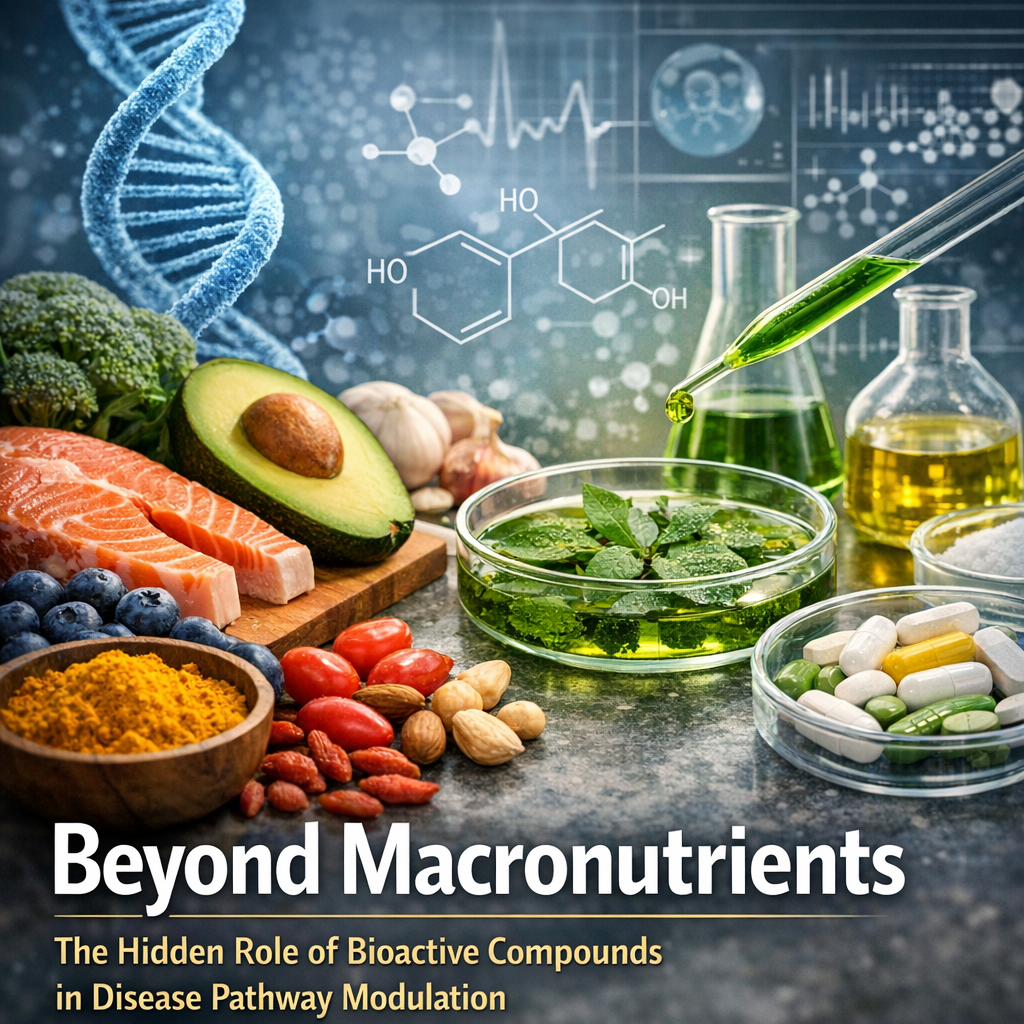
Beyond Macronutrients: The Hidden Role of Bioactive Compounds in Disease Pathway Modulation
Introduction
In recent years, there has been a growing awareness and interest in the impact of diet on health beyond mere calories and macronutrients. While carbohydrates, proteins, and fats have dominated conversations around nutrition, a burgeoning field of research is highlighting the significant roles played by bioactive compounds—naturally occurring chemical compounds in plants that influence various bodily processes. These compounds, often part of the broader category of phytochemicals, are crucial in modulating disease pathways, offering potential preventive and therapeutic benefits against chronic diseases.
Bioactive compounds include flavonoids, alkaloids, lignans, and terpenes, among others, each with unique properties. Unlike vitamins and minerals, which are essential for daily physiological functions, these compounds influence health and disease progression through mechanisms such as anti-inflammatory activity, antioxidant effects, and the modification of cell signaling pathways. These compounds are pervasive in a wide range of natural foods, from fruits and vegetables to herbs and spices, underscoring the potential of a plant-based diet in disease prevention and health optimization.
The rising interest in bioactive compounds is part of a broader trend toward natural and holistic health solutions. With increasing health concerns globally, such as metabolic disorders like diabetes and neurodegenerative conditions such as Alzheimer’s disease, understanding how these compounds affect our bodies is more relevant than ever. The integration of bioactive-rich foods into one’s diet is being explored as a complementary approach to conventional medical treatments, emphasizing the importance of dietary diversity and nutrition in maintaining health and preventing disease.
Continued research in this area has the potential to transform dietary guidelines and health policies, making bioactive compounds a focal point for future nutrition strategies. As we delve deeper into the role of bioactive compounds, we can begin to appreciate their profound impacts and the paradigm shift they may catalyze in disease management and prevention.
Features
Numerous studies have highlighted the significant role of bioactive compounds in modulating disease pathways. For instance, polyphenols, a diverse group of phytochemicals found abundantly in foods such as berries, tea, and wine, have been shown to possess strong antioxidant properties. According to a study published in the [American Journal of Clinical Nutrition](https://academic.oup.com/ajcn), polyphenols’ antioxidant influence aids in reducing oxidative stress, a contributing factor to the development of chronic diseases such as cardiovascular disease and cancer.
Furthermore, flavonoids—subtypes of polyphenols found in foods like onions, apples, and dark chocolate—have been reported in the journal [Nutrients](https://www.mdpi.com/journal/nutrients) to modulate inflammatory pathways. Inflammation is a common pathway involved in various chronic diseases, and flavonoids’ anti-inflammatory properties make them promising candidates for mitigating the risk of conditions like arthritis and Crohn’s disease.
A review in [Biochemical Pharmacology](https://www.journals.elsevier.com/biochemical-pharmacology) highlights how alkaloids, bioactive compounds found in plants such as turmeric and ginger, play a vital role in enzyme modulation and cell cycle regulation. These compounds can intervene in cancer pathways, making them valuable in cancer prevention research. The alkaloid curcumin, derived from turmeric, has been extensively studied for its ability to interfere with carcinogenesis and metastatic processes.
Moreover, lignans, compounds present in seeds like flaxseeds and sesame seeds, have shown promising results in managing diabetes and improving cardiovascular health. Research published in the [British Journal of Nutrition](https://www.cambridge.org/core/journals/british-journal-of-nutrition) suggests lignans can improve insulin sensitivity and lipid profiles, thereby potentially reducing the incidence of type 2 diabetes and heart diseases.
Collectively, these studies underscore the untapped potential of bioactive compounds in preventing and managing various disease pathways. The complexity and diversity of these compounds present a vast frontier for nutritional science and health-based interventions.
Conclusion
As the field of nutrition continues to evolve, understanding and leveraging the health-promoting properties of bioactive compounds stand to revolutionize our approach to disease prevention and treatment. Moving beyond just macronutrients, these compounds, found in a plethora of natural foods, provide a compelling argument for dietary diversity and a plant-based focus in nutrition. They offer a promising frontier for personalized nutrition, where individual needs can be matched with specific bioactive profiles for optimal health outcomes.
The integration of these natural compounds into dietary guidelines and public health policies could be pivotal in addressing some of the most pressing health challenges of our time. By embracing a more holistic view of nutrition that goes beyond mere energy intake, we are positioned to improve population health and reduce the burden of chronic diseases. This paradigm shift highlights the necessity for more comprehensive and proactive approaches in both nutritional science and public health strategy, incorporating not just nutrients but the full spectrum of bioactive compounds found in our diet.
Concise Summary:
Bioactive compounds, such as flavonoids, polyphenols, alkaloids, and lignans, influence health by modulating disease pathways through mechanisms like anti-inflammatory and antioxidant activities. These compounds, prominently found in plant-based foods, are gaining attention for their potential in preventing and managing chronic diseases, including cardiovascular ailments, cancer, diabetes, Alzheimer’s, and more. Integrating bioactive-rich foods into diets complements conventional medicine, promotes holistic health, and frames a new potential direction for nutrition guidelines and public health policies. This emphasis supports dietary diversity and personalized nutrition approaches for optimal health outcomes.

Dominic E. is a passionate filmmaker navigating the exciting intersection of art and science. By day, he delves into the complexities of the human body as a full-time medical writer, meticulously translating intricate medical concepts into accessible and engaging narratives. By night, he explores the boundless realm of cinematic storytelling, crafting narratives that evoke emotion and challenge perspectives.
Film Student and Full-time Medical Writer for ContentVendor.com