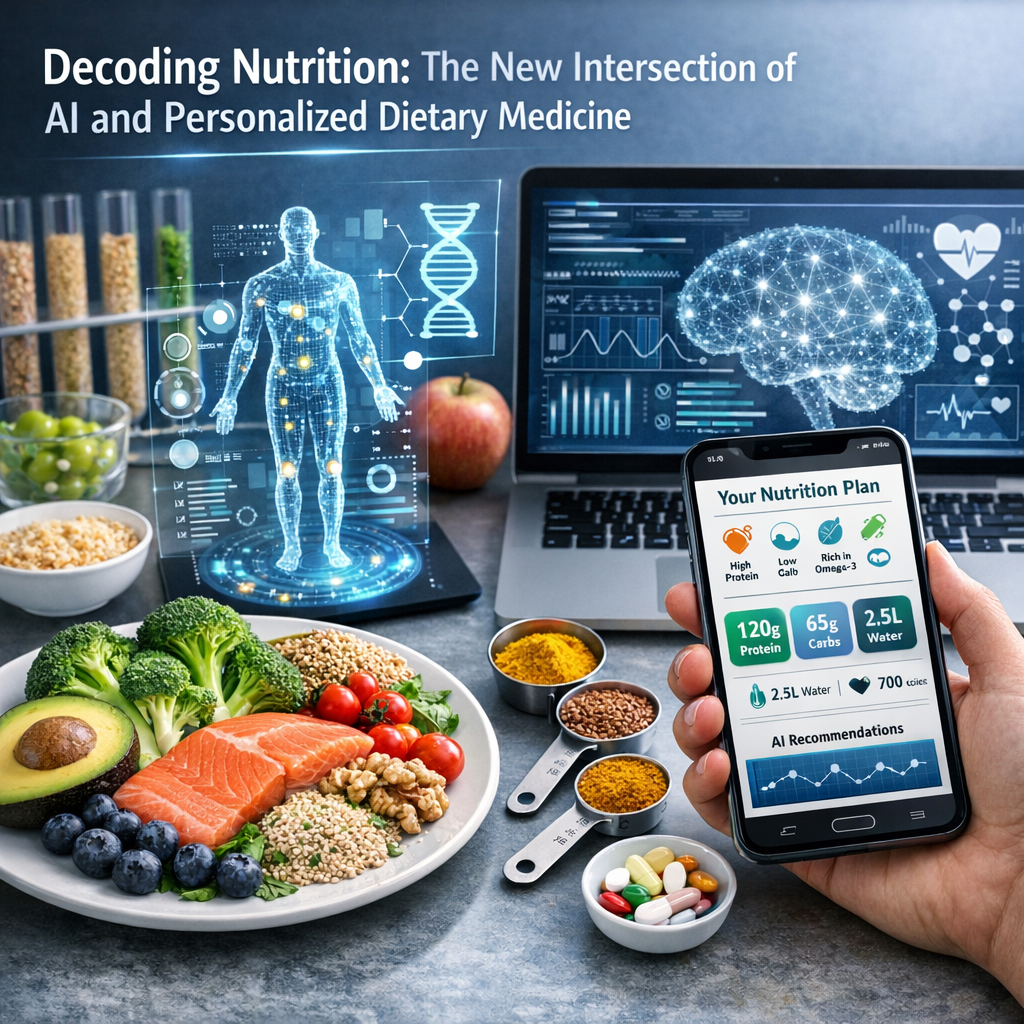
Decoding Nutrition: The New Intersection of AI and Personalized Dietary Medicine
Expanding the Introduction:
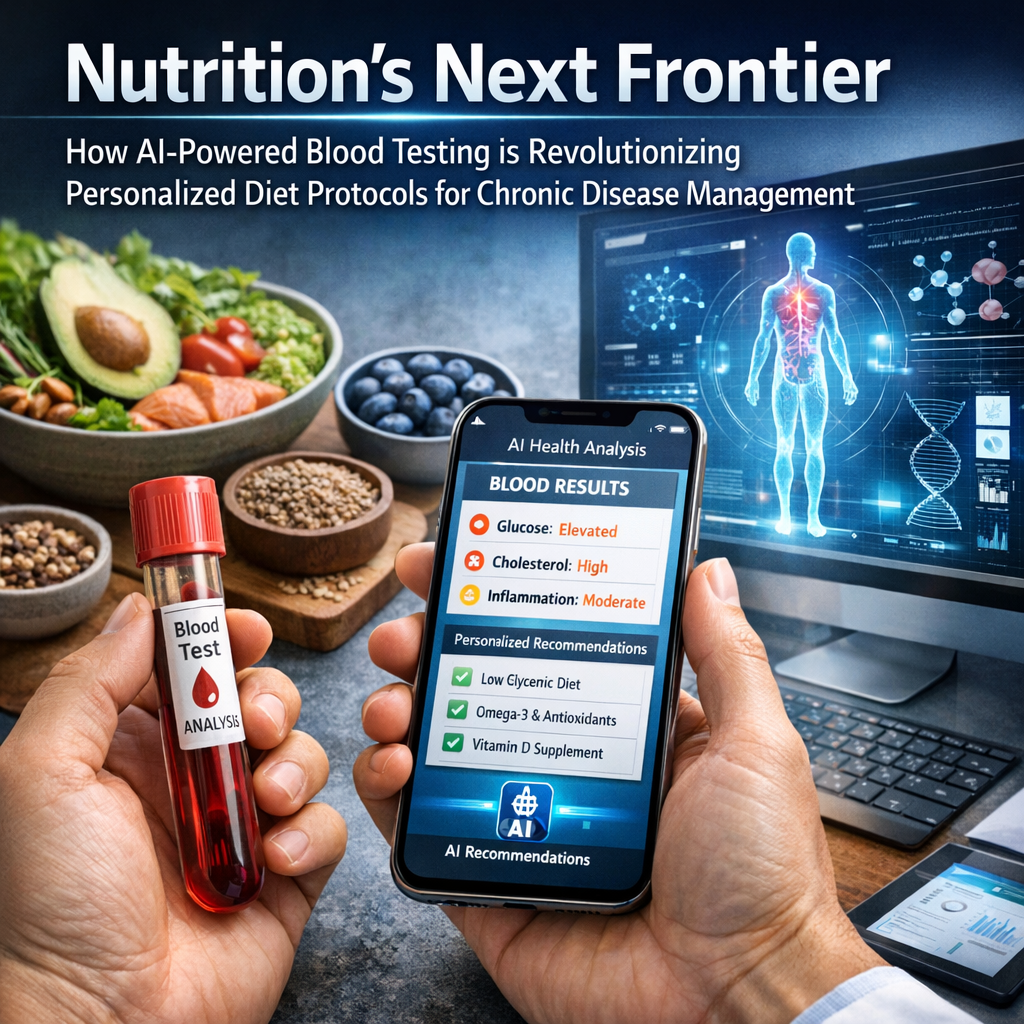
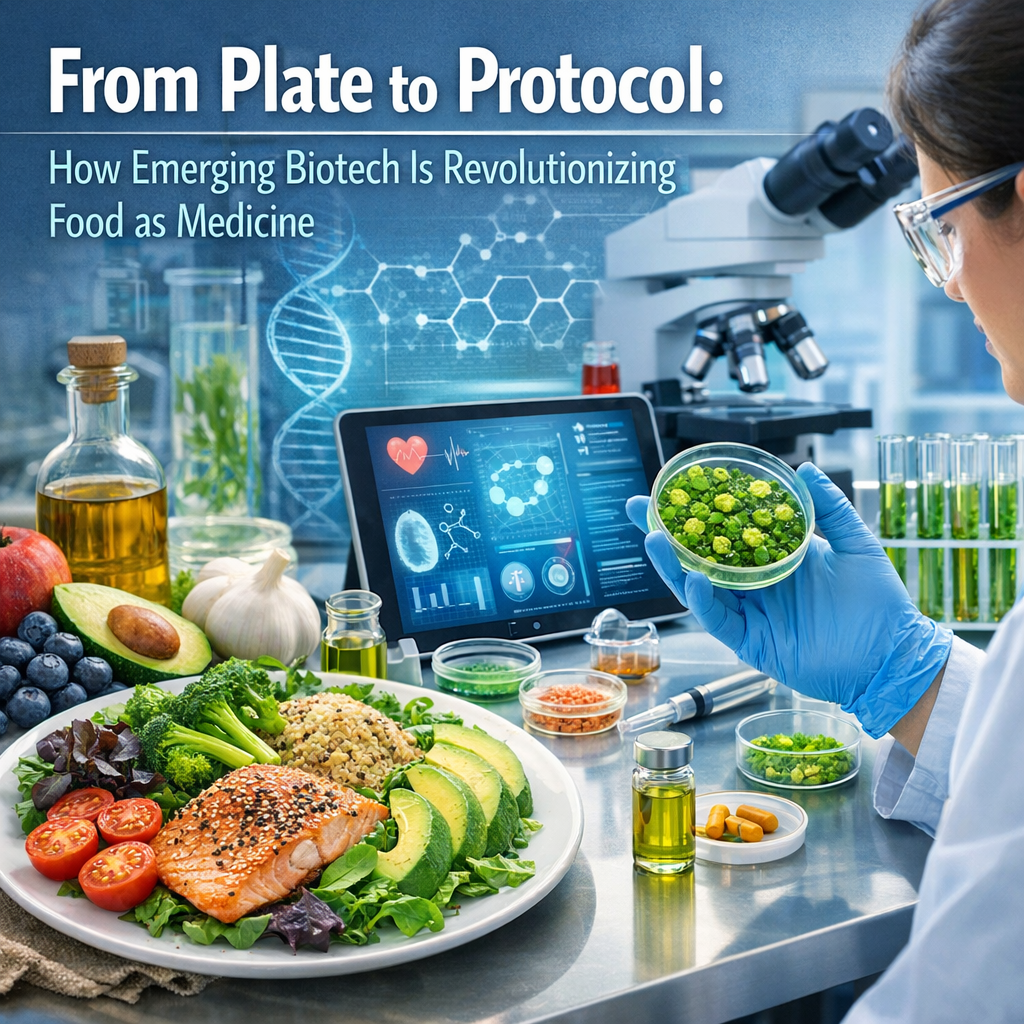
In a rapidly evolving world where science meets innovation, the field of nutrition stands at a pivotal crossroads with the advancement of technology. The intersection of AI and personalized dietary medicine heralds a new era in nutritional sciences, where tailored diet plans are informed by a harmonious blend of artificial intelligence and individual health needs. This emerging field harnesses the vast data-driven capabilities of AI, integrating them with personalized medicine to deliver bespoke nutritional regimes that target individual health profiles and preferences.
Artificial Intelligence brings a revolutionary approach to dietary planning and management with its capacity to process and analyze large datasets. This technological prowess allows for the synthesis of myriad factors such as genetic information, lifestyle patterns, and real-time health indices into cohesive, personalized dietary advice. As healthcare shifts towards precision medicine, nutritional science is simultaneously benefiting from the development of AI technologies that promise enhanced efficiency and accuracy in dietary recommendations.
The increasing relevance of personalized dietary medicine can be attributed to an understanding that generalized dietary advice often fails to address specific individual health needs and conditions. Traditional nutrition guidance, while beneficial on a broad scale, lacks the specificity required to cater to the diverse biological and lifestyle factors influencing nutritional needs. AI-equipped systems navigate these complexities, employing machine learning algorithms to distill the intricate relationship between genetics, metabolism, and nutrition.
Expanding Applications of AI in Nutrition:
Several cutting-edge applications demonstrate how AI is transforming personalized nutrition. Some systems harness AI to analyze genetic information and health data, determining nutrient deficiencies or sensitivities. By integrating these insights, AI can generate dietary recommendations particularly aligned with personal health goals and conditions, such as managing chronic diseases, optimizing athletic performance, or correcting nutritional imbalances. Moreover, AI-driven apps are now providing dynamic dietary guidance, evolving in real-time as they incorporate the individual’s dietary habits and goal progressions.
Features of AI in Personalized Dietary Medicine
Recent studies underscore the potential and efficacy of AI in the domain of personalized dietary health. One prominent study conducted by researchers at William James College elucidated how AI algorithms outperform traditional methods in recommending dietary interventions tailored for individuals with specific metabolic profiles. This study demonstrated AI’s ability to predict glycemic responses to different foods, aiding in the development of custom dietary plans for those managing diabetes. These findings, published in *Nature*, highlight the precision with which AI-driven dietary advice can be tailored to individual health metrics.
Expanding Stanford Study:
Another pioneering research initiative from Stanford University investigated the role of AI in optimizing nutrient intake for patients suffering from chronic illnesses. The study observed that AI algorithms improved dietary outcomes by analyzing various health parameters, such as inflammatory markers, against nutritional data. The outcome prompted a revision in dietary advice for participants, leading to improved health indicators over the clinical trial period. This speaks volumes of the benefit of integrating AI methodologies into dietary medicine, making complex nutritional science accessible and practical for everyday use. Learn more at Stanford University.
Furthermore, AI is being used to overcome the cultural and psychological barriers that often hinder effective dietary adherence. Behavioral data collected through digital platforms can be analyzed by AI to identify patterns or weaknesses in dietary adherence. This information can be used to develop personalized strategies to bolster motivation and provide nutritional education, driving lasting dietary behavior change.
As research continues to bridge the gap between AI technology and personalized dietary needs, the resulting applications promise to revolutionize how we approach nutrition in healthcare. AI-enabled tools are not only poised to improve precision in dietary recommendations but also hold the potential to democratize access to sophisticated nutritional diagnostics and interventions previously reserved for specialized care settings.
Conclusion
In essence, the integration of AI and personalized dietary medicine is profoundly transforming our approach to nutrition. As the capabilities of AI continue to advance, so does our capacity to understand and implement highly nuanced, individualized dietary interventions. By leveraging vast datasets and learning algorithms, AI enriches our nutritional knowledge, enabling us to develop and maintain healthier diets aligned with our complex, dynamic health profiles. As these technologies become more accessible and refined, individuals can look forward to a future where personalized nutrition aligns closely with optimal health outcomes, marrying the art of nutrition with cutting-edge technological advances. The continued exploration and innovation within this field pave the way for transformative impacts on healthcare, empowering individuals through bespoke dietary journeys toward healthier lives.
Summary:
The integration of AI in personalized dietary medicine is revolutionizing how nutrition aligns with individual health needs. By synthesizing genetic, lifestyle, and health data, AI creates bespoke diet plans that cater distinctively to personal health profiles. Current AI applications effectively manage chronic diseases, aid athletic performance, and enhance dietary dynamics via real-time apps. Prominent research, such as the studies by William James College and Stanford University, validates AI’s efficacy in rendering precise dietary advice and overcoming dietary adherence barriers. As AI technologies advance and become more accessible, personalized nutrition promises significant, transformational impacts on healthcare.

Dominic E. is a passionate filmmaker navigating the exciting intersection of art and science. By day, he delves into the complexities of the human body as a full-time medical writer, meticulously translating intricate medical concepts into accessible and engaging narratives. By night, he explores the boundless realm of cinematic storytelling, crafting narratives that evoke emotion and challenge perspectives.
Film Student and Full-time Medical Writer for ContentVendor.com