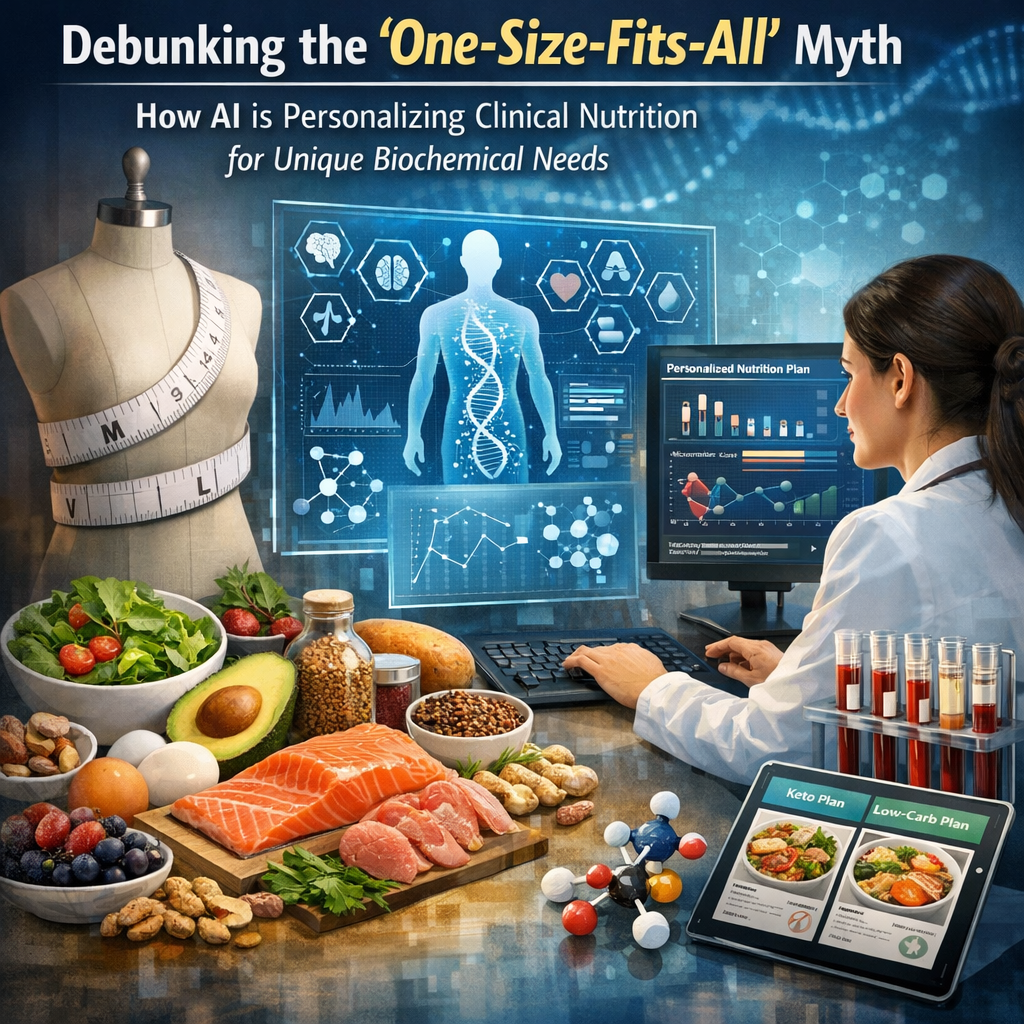
Debunking the ‘One-Size-Fits-All’ Myth: How AI is Personalizing Clinical Nutrition for Unique Biochemical Needs
Introduction
In an era where personalized experiences are the norm, the field of nutrition is undergoing a transformative shift. Gone are the days when generic dietary recommendations sufficed for individual health needs. Traditional nutrition approaches, typified by blanket guidelines, are increasingly challenged by the rise of artificial intelligence (AI). This technology revolutionizes clinical nutrition by tailoring diets to the unique biochemical makeup of individuals.
Conventional nutrition advice fails to account for the diversity in human biology. Each individual is a web of biochemical processes influenced by genetics, lifestyle, environment, and health conditions. Thus, the “one-size-fits-all” approach often leads to suboptimal health outcomes.
AI is a game-changer in this context. With its complex algorithms and machine learning capabilities, AI can analyze massive datasets and discern patterns and correlations beyond human capability. It factors in genetic information, metabolic rates, dietary preferences, and microbiome composition to offer personalized nutrition plans.
The integration of AI into clinical nutrition is about more than just personalization; it functions as a proactive tool for disease prevention and health optimization. By identifying specific nutritional deficiencies and foreseeing potential health risks, AI can enhance long-term health outcomes and overall well-being. This individualized approach aligns with those seeking natural cures, homeopathic and herbal treatments.
The emergence of AI in nutrition paves the way for a more holistic and effective approach to health and wellness. It transcends traditional dietary science paradigms and opens new possibilities for optimal health.
Features
Recent advances in AI integration within clinical nutrition are well-documented in academic and professional studies. Research by The American Journal of Clinical Nutrition highlights AI’s ability to analyze genetic markers to create personalized nutrition guidelines [source](https://academic.oup.com/ajcn/). AI’s capacity to process and interpret complex biological data is key to making precise dietary interventions.
Another significant study in Nature shows AI’s ability to predict an individual’s glycemic response to foods [source](https://www.nature.com/). Through data from continuous glucose monitoring and personalized meal plans, AI can customize diets to stabilize blood sugar levels—a breakthrough for managing and preventing diabetes.
Incorporating microbiome analysis into AI models is another frontier. A study by Stanford University explores AI’s potential to integrate microbiome data for personalized dietary recommendations [source](https://www.sciencedirect.com/). It establishes links between specific gut bacteria and dietary responses, suggesting that microbiome-based nutrition can boost digestive health and nutrient absorption.
AI-driven nutritional platforms like Nutrino use machine learning to gain insights on food choices, incorporate feedback, and adjust recommendations in real-time [source](https://nutrino.co/). These platforms help individuals make informed food choices aligning with their health goals.
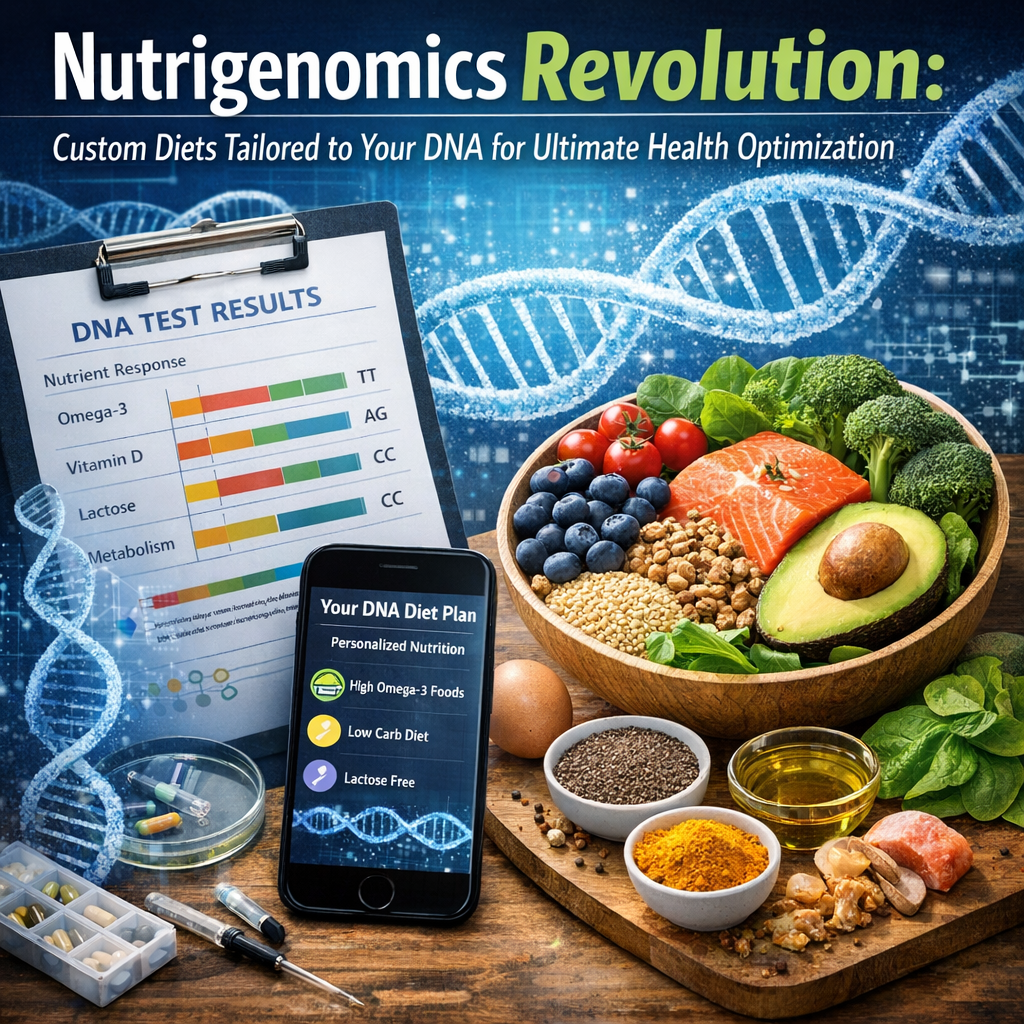
AI’s role in nutritional genomics, where nutrition is aligned with genetic predispositions, represents another promising development. Nutrigenomics, facilitated by AI, allows understanding how personal genetics influence dietary needs, thereby optimizing nutrition plans to stave off chronic diseases and promote longevity.
These studies underscore the transformative potential of AI in turning clinical nutrition into proactive and personalized strategies. Considering numerous biological and lifestyle factors, AI crafts dietary recommendations that are scientifically sound and individually tailored.
Conclusion
The potential of AI to revolutionize clinical nutrition is immense. Moving beyond the outdated “one-size-fits-all” approach and embracing the nuances of personal biology, AI paves the way for a precise, holistic, and proactive nutritional landscape. This transformation promises those committed to natural cures and holistic therapies, as AI-driven personalization aligns with individualized care and prevention principles.
As AI progresses and integrates more deeply into healthcare, its impact on nutrition will grow. Individuals can expect more effective dietary strategies that meet their biochemical requirements and improve quality of life. Leveraging AI, we are pioneering a future where optimal health is attainable through science-driven, personalized nutrition.
The advent of AI in clinical nutrition marks progress in tackling human health challenges, urging us to rethink how we approach our diets and well-being.
### Concise Summary
AI is transforming clinical nutrition by moving beyond generic dietary guidelines towards personalized plans based on an individual’s unique biochemical makeup. Utilizing AI’s capabilities in analyzing vast datasets, accounting for genetics, metabolism, and microbiome composition, more precise and effective nutrition strategies are devised. This shift not only improves personal health outcomes but also empowers proactive disease prevention and holistic wellness approaches. AI-driven personalization aligns with natural and holistic therapies, heralding an era where science-driven, personalized nutrition makes optimal health more attainable.

Dominic E. is a passionate filmmaker navigating the exciting intersection of art and science. By day, he delves into the complexities of the human body as a full-time medical writer, meticulously translating intricate medical concepts into accessible and engaging narratives. By night, he explores the boundless realm of cinematic storytelling, crafting narratives that evoke emotion and challenge perspectives.
Film Student and Full-time Medical Writer for ContentVendor.com