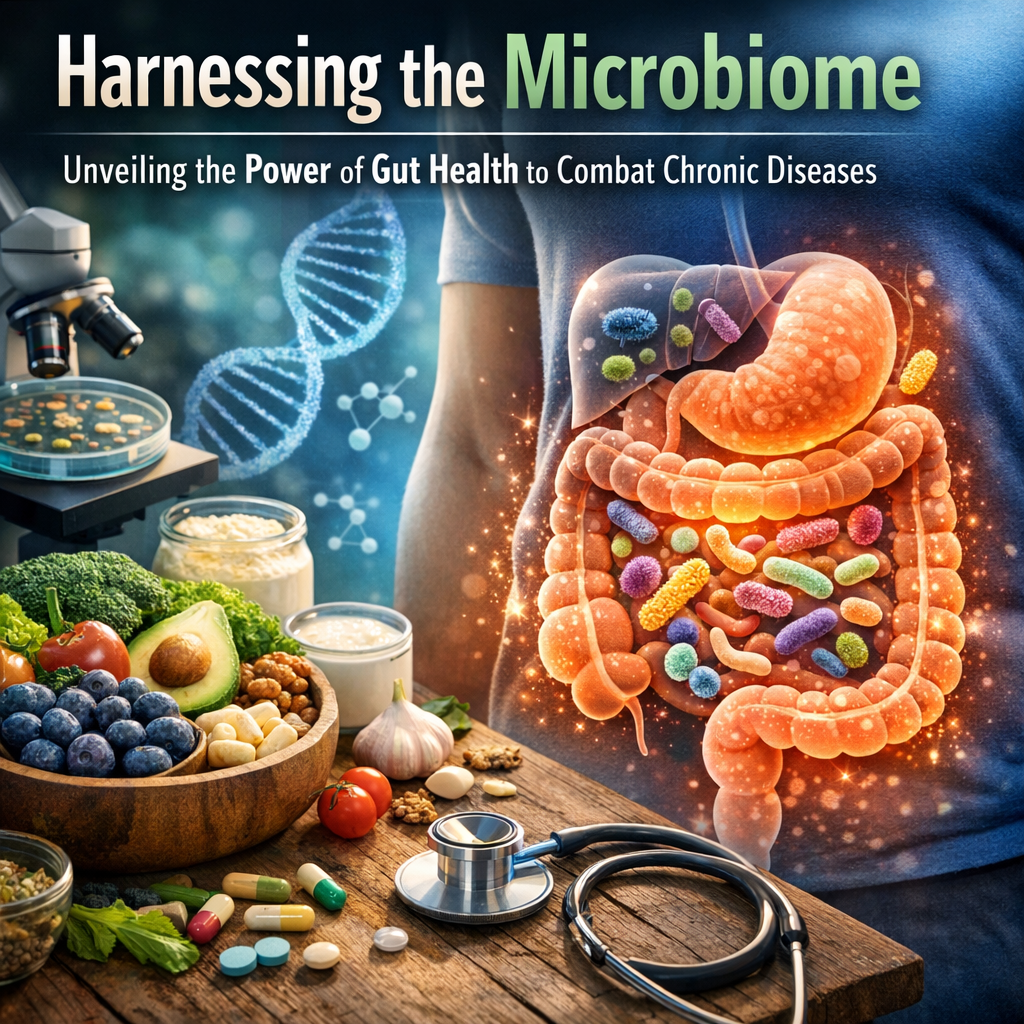
Harnessing the Microbiome: Unveiling the Power of Gut Health to Combat Chronic Diseases
Introduction
In recent years, the term ”microbiome” has gained significant traction in the health and wellness communities. This once mysterious concept has quickly become a focal point for scientists and health enthusiasts alike, who are earnestly exploring its profound impact on human health, particularly in the field of chronic disease prevention and management.
The microbiome refers to the vast community of trillions of bacteria, viruses, fungi, and other microorganisms that inhabit our bodies. While they are found in various areas, including the skin, mouth, and lungs, the gut microbiome has attracted the most attention. Far from being mere passengers, these microorganisms are active participants in maintaining bodily functions, aiding digestion, synthesizing vitamins, regulating the immune system, and protecting against pathogenic bacteria.
Increasing understanding of the gut microbiome has unveiled its pivotal role in influencing health and the potential to prevent or ameliorate chronic diseases. Disorders such as obesity, type 2 diabetes, inflammatory bowel disease, and even mental health conditions like depression have been linked to imbalances within the gut microbiome, also known as dysbiosis. The disruption of microbial balance can lead to chronic inflammation and an overactive immune response, both of which are critical contributors to chronic disease development.
As the prevalence of chronic diseases continues to rise globally, the need for preventative strategies becomes ever more critical. Within this context, natural cures, homeopathy, and herbal treatments targeting gut health present a promising frontier. Holistic approaches that emphasize dietary modifications, probiotic and prebiotic supplements, and the use of medicinal herbs are being actively researched and integrated into lifestyle practices to harness the potential of the microbiome.
In grasping the extent to which the gut microbiota influences our health, we stand on the brink of a healthcare revolution, where enhancing gut health and restoring microbial balance could become key strategies to combat chronic diseases effectively. As we delve deeper into understanding these microscopic entities, the potential to alter the course of modern medical practice through non-invasive, natural interventions becomes increasingly within reach.
Features
Scientific exploration into the gut microbiome has burgeoned, leading to numerous studies highlighting its importance in health maintenance and disease prevention. One landmark study published in the journal *Nature* links the diversity within the gut microbiome to overall health resilience. The research suggests that individuals with a more diverse microbiome tend to experience fewer chronic health issues, providing an explanatory model for why some people develop chronic diseases while others do not.
Another significant study from *Cell Metabolism* demonstrates the profound impact dietary changes can have on microbial balance. By ingesting more fiber-rich foods, participants observed increased microbiota diversity, with profound implications for reducing inflammatory markers in the body. This finding reinforces the ancient wisdom found in traditional practices, which prioritize whole foods and plant-based diets for maintaining health.
Researchers from the University of California, San Diego, have also uncovered intriguing links between gut microbes and mental health. Their clinical study, published in *Nature Microbiology*, found that certain gut bacteria produce neurotransmitters that influence brain function and behavior, hinting at the gut-brain axis as a potential mediator in conditions like anxiety and depression.
Several studies encourage the use of probiotics and prebiotics as therapeutic agents. A randomized controlled trial in *Gastroenterology* showed that a specific combination of probiotic strains significantly improved symptoms and quality of life for patients with irritable bowel syndrome (IBS), underscoring the evolving role of these supplements in clinical settings.
Meanwhile, ancient practices, long valued in traditional medicine systems, reveal herbs like ginger, garlic, and peppermint as potent modulators of gut health. A review in *Critical Reviews in Food Science and Nutrition* delves into the antimicrobial and anti-inflammatory properties of these herbs, offering insight into their mechanisms of action and potential as complementary treatments for gut-related chronic diseases.
With each study, the interplay between the gut microbiome and chronic diseases becomes clearer, pointing to a paradigm shift in how we perceive and manage health.
Conclusion
Harnessing the power of the gut microbiome presents a groundbreaking approach to combating chronic diseases. The rich tapestry of microorganisms within us is not only a reflection of what we consume but also a vital determinant of our overall health. By prioritizing gut health through diet, probiotics, prebiotics, and herbal treatments, we can support a balanced microbiome, reducing inflammation and promoting lasting wellness. As science continues to unravel the complexities of the microbiome, embracing natural strategies offers a compelling, non-invasive route toward health optimization. Whether through modern medical advancements or the rekindling of traditional wisdom, the journey towards leveraging the microbiome’s power to ward off chronic diseases is a beacon of hope for holistic health advocates worldwide.
Concise Summary
The gut microbiome, a thriving community of microorganisms, plays a pivotal role in human health, influencing chronic disease prevention and management. Imbalances, or dysbiosis, can contribute to diseases like obesity, diabetes, and mental health issues. Emerging studies affirm the potential of enhancing gut health through diet, probiotics, prebiotics, and herbal treatments, offering a novel, non-invasive strategy to combat chronic diseases. As science advances, understanding and optimizing the microbiome’s role presents a promising frontier in holistic health, highlighting the transformative potential of gut health on overall well-being.

Dominic E. is a passionate filmmaker navigating the exciting intersection of art and science. By day, he delves into the complexities of the human body as a full-time medical writer, meticulously translating intricate medical concepts into accessible and engaging narratives. By night, he explores the boundless realm of cinematic storytelling, crafting narratives that evoke emotion and challenge perspectives.
Film Student and Full-time Medical Writer for ContentVendor.com