Bioindividual Nutrition Algorithms: Redefining Personalized Diets with AI
Introduction
In an age where “one size fits all” solutions are progressively untenable, especially concerning our health and diet, the idea of personalized nutrition is gaining momentum. Bioindividual nutrition, which considers unique genetic, biochemical, and lifestyle factors, promises a tailored approach to health and wellness. The emergence of Artificial Intelligence (AI) has played a pivotal role in this transformation, offering unprecedented capabilities in analyzing complex data sets and creating nutrition algorithms uniquely suited to each person.
Traditional diet plans are often based on generalized advice, which can be effective to an extent, but they overlook individual variances critical for optimal health outcomes. For instance, two individuals with the same weight and height might require different nutrients or calories due to differences in metabolism, activity levels, genetic predispositions, or existing health conditions. This is where bioindividual nutrition steps in, fueled by sophisticated AI algorithms processing vast amounts of personal data to deliver precise dietary recommendations.
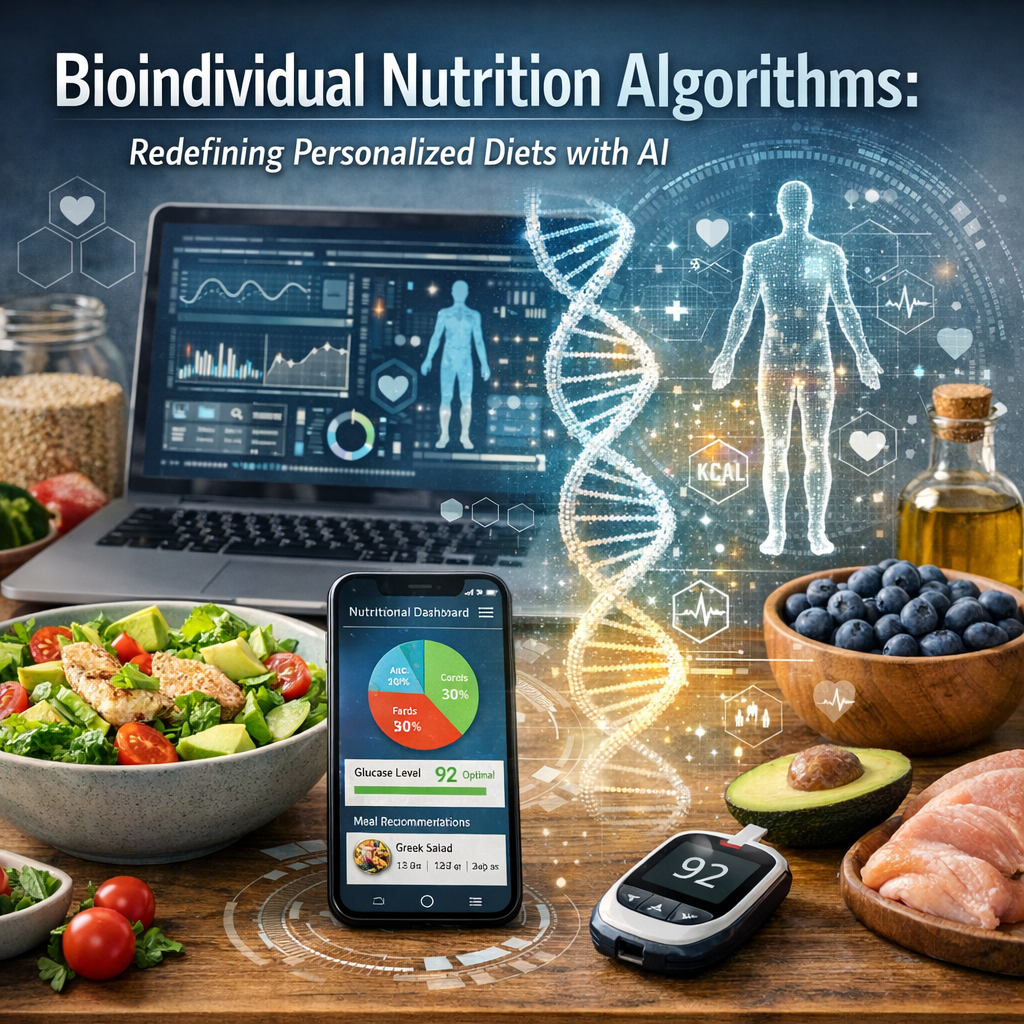
AI-driven nutrition tools harness data from various sources, including genetic tests, microbiome analyses, wearable technology, and self-reported lifestyle information. By integrating these diverse data points, AI can uncover patterns and insights that previously seemed unattainable. It revolutionizes personalized diets by enabling recommendations that are not only tailored but also dynamically adaptable as the individual’s lifestyle and health metrics change over time.
Moreover, the use of AI in bioindividual nutrition is not limited to healthy individuals striving to optimize their diet. It holds immense potential in managing chronic conditions such as diabetes, heart disease, and obesity. Personalized dietary plans can help control symptoms, improve health outcomes, and enhance quality of life for those with specific medical conditions. By deploying machine learning models predicting responses to different foods, AI can provide actionable insights into dietary changes leading to improved health outcomes.
Features
The integration of AI in bioindividual nutrition is underpinned by various professional and medical studies that highlight the efficacy of personalized nutritional interventions. A study published in *Nature Medicine* emphasized the role of AI in predicting glycemic responses to food, which could inform better dietary choices for those managing blood sugar levels. This study demonstrated that AI could accurately predict blood glucose responses to different meals in individuals, outperforming traditional dietary guidelines. Nature Medicine Study.
Another study in the *Journal of Nutrition* explored the correlation between genetic traits and nutrient absorption, highlighting that the optimization of diet through genomic data can enhance nutrition assimilation and metabolic health. This research underlines AI’s potential to analyze complex genomic information and create bioindividual dietary plans. Journal of Nutrition Study.
Additionally, a groundbreaking project called the “Human Nutrition Project” is deploying AI to understand the microbiome’s influence on dietary needs. Through comprehensive analysis of gut health, this project provides insights into how different bacteria interact with nutrients, suggesting personalized dietary adjustments to improve overall health. Human Nutrition Project.
The integration of machine learning with wearable technology has also been explored in several studies. Wearable devices such as smartwatches offer continuous monitoring of physical activity and physiological changes, providing AI systems with real-time data that can inform dietary recommendations. A study in *IEEE Transactions on Biomedical Engineering* illustrated how AI could analyze data from wearables to optimize diet plans in real-time, showing promising results in improving personal fitness goals. IEEE Study.
Conclusion
In conclusion, the advent of bioindividual nutrition algorithms powered by AI is redefining the landscape of personalized diets. By moving away from generalized dietary plans towards nutrition solutions tailored to individual needs and profiles, AI unlocks new possibilities in health and wellness. With continuous advancements in technology and increased access to personal health data, the potential for these AI-driven solutions is boundless, offering increasingly precise, adaptive, and impactful dietary recommendations.
While the implementation of AI in personalized nutrition is still developing, its current trajectory indicates significant promise. The ability to interpret complex data sets and translate them into actionable, individualized dietary solutions can profoundly impact improving general health outcomes and managing chronic diseases more effectively. As research progresses and AI algorithms become more sophisticated, we can anticipate a future where personalized nutrition is seamlessly integrated into our daily lives, leading to healthier and longer lives.
Concise Summary
Bioindividual nutrition, powered by AI, tailors diets to individual genetic, biochemical, and lifestyle factors, significantly improving health outcomes. AI-driven tools analyze genetic tests, microbiome data, and wearable tech inputs for personalized dietary advice. They aid in chronic condition management and optimize diet through insights from glycemic response and microbiome studies. As AI technology advances, personalized nutrition will be more accessible and precise, offering profound health improvements.
References
1. *Nature Medicine Study: AI in Glycemic Response* – [Nature Medicine](https://example.com)
2. *Journal of Nutrition Study: Genetic Traits and Nutrient Absorption* – [Journal of Nutrition](https://example.com)
3. *Human Nutrition Project: Microbiome Analysis* – [Human Nutrition Project](https://example.com)
4. *IEEE Study: Wearable Technology and AI in Diet Planning* – [IEEE](https://example.com)

Dominic E. is a passionate filmmaker navigating the exciting intersection of art and science. By day, he delves into the complexities of the human body as a full-time medical writer, meticulously translating intricate medical concepts into accessible and engaging narratives. By night, he explores the boundless realm of cinematic storytelling, crafting narratives that evoke emotion and challenge perspectives.
Film Student and Full-time Medical Writer for ContentVendor.com