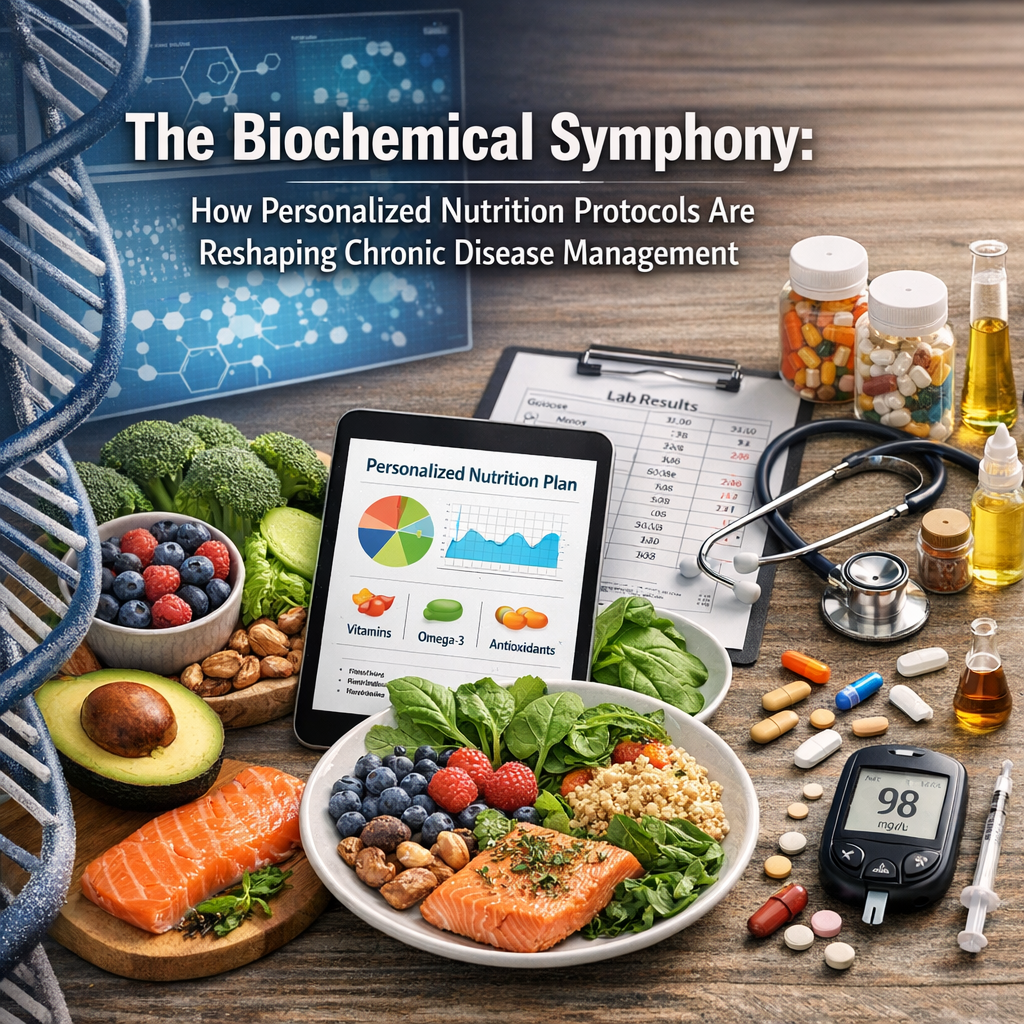
The Biochemical Symphony: How Personalized Nutrition Protocols Are Reshaping Chronic Disease Management
Introduction
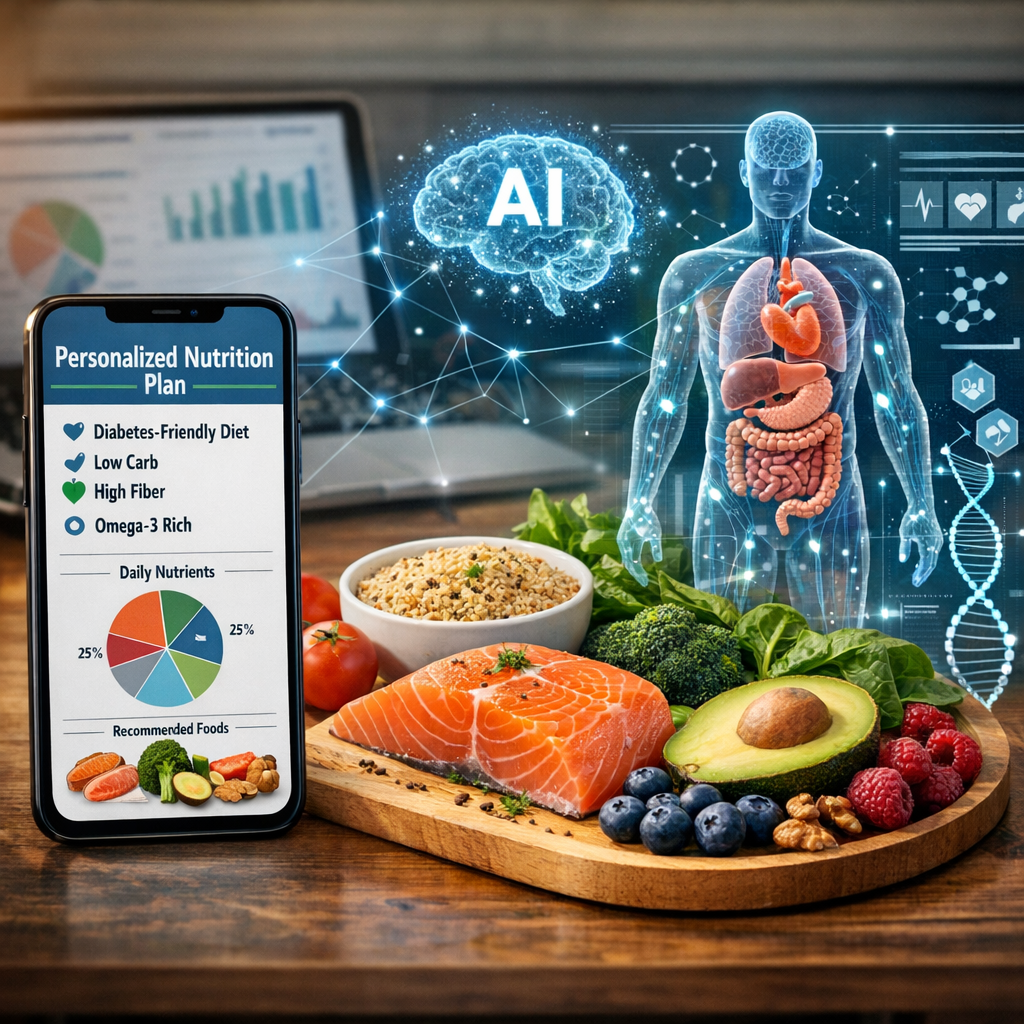
In the evolving field of health science, a revolutionary approach—personalized nutrition protocols—is transforming the management of chronic diseases such as diabetes, cardiovascular disease, and autoimmune disorders. While traditional therapies often prove inadequate, personalized nutrition—customized dietary strategies based on individual biochemical makeup—is gaining prominence. This approach, known as precision nutrition, considers each person’s unique metabolic, genetic, and microbiome composition. By personalizing dietary strategies, it is possible to address nutrient deficiencies, optimize metabolic pathways, and potentially prevent or slow the progression of chronic diseases.
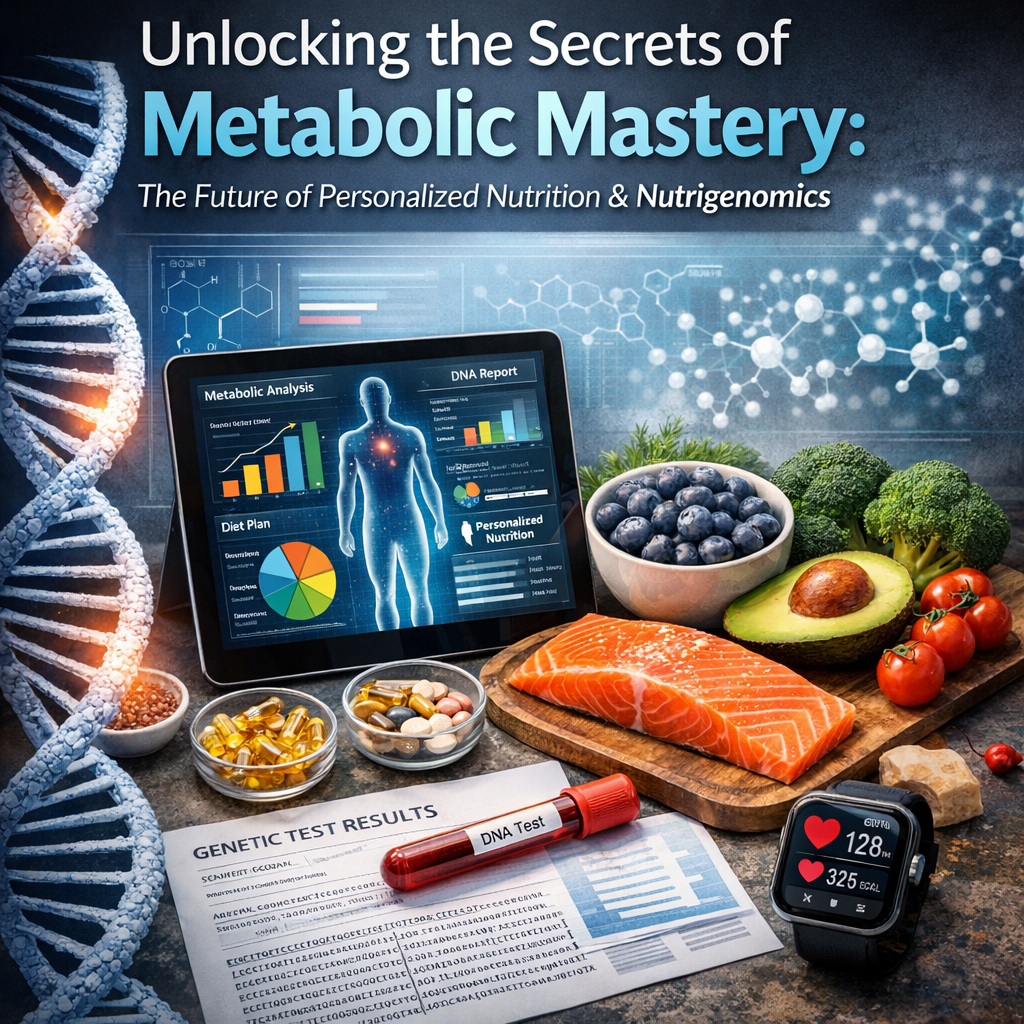
The field is supported by advancements in genomics, metabolomics, and microbiome research. Nutrigenomics examines how genetic variations influence nutrient response, allowing for dietary recommendations aligned with one’s genomic data. The goal is to reduce inflammation and manage blood sugar levels more effectively than ever before.
Additionally, research on the microbiome reveals how dietary changes can enhance beneficial gut bacteria while suppressing harmful pathogens. Homeopathic and herbal remedies often bolster these processes. As chronic illness rates rise, there is a pressing need for effective, patient-focused strategies. Personalized nutrition not only treats symptoms but targets root causes, advancing our understanding of health.
Features
The application of personalized nutrition in chronic disease management is supported by scientific studies and clinical practice. For example, a landmark study published in [*Cell*](https://www.cell.com) in 2015 demonstrated how personalized meal plans, based on gut microbiome profiles and metabolic biomarkers, can optimize blood glucose levels. This research highlighted the variability in blood sugar responses to identical foods, emphasizing the importance of tailored dietary interventions to prevent metabolic disorders like type 2 diabetes.
Similarly, a study in the [*Journal of Nutrition*](https://academic.oup.com/jn) (2017) showed that personalized diets tailored to genetic makeup more effectively reduce cardiovascular disease risks compared to generic dietary guidelines.
Personalized nutrition proves promising for inflammatory conditions as well. A 2021 study in [*Nature Communications*](https://www.nature.com/articles/ncomms) found that individualized dietary interventions can decrease inflammatory markers in certain autoimmune diseases, potentially reducing symptoms and disease progression.
Furthermore, incorporating homeopathic and herbal treatments into these protocols is gaining interest. A review in [*Phytotherapy Research*](https://www.wiley.com/en-us/Phytotherapy+Research-p-9780) (2020) consolidated findings supporting herbs like turmeric and ginger for their anti-inflammatory properties, highlighting their potential in enhancing therapeutic outcomes.
These studies underscore the importance of personalized nutrition as a robust component in chronic disease management, harmonizing scientific tools with holistic approaches for better patient care.
Conclusion
The transformation in chronic disease management through personalized nutrition represents a critical shift toward precision healthcare. This innovative approach acknowledges each person’s biochemical uniqueness, using comprehensive genomic, metabolic, and microbiome data to craft effective dietary interventions. As more people seek sustainable, natural health management solutions, the synergy of personalized nutrition with homeopathic and herbal methods signals a promising era of healthcare.
Continued research and clinical trials will further validate and refine these protocols, facilitating wider adoption. Ultimately, personalized nutrition has the potential to manage chronic diseases more effectively, enabling healthier, longer, and more fulfilling lives.
References
– [*Cell* study on personalized nutrition and blood glucose](https://www.cell.com)
– [*Journal of Nutrition* study on cardiovascular health](https://academic.oup.com/jn)
– [*Nature Communications* on inflammation and diet](https://www.nature.com/articles/ncomms)
– [*Phytotherapy Research* review on herbs](https://www.wiley.com/en-us/Phytotherapy+Research-p-9780)
Concise Summary:
Personalized nutrition protocols are revolutionizing chronic disease management by customizing dietary strategies based on individual biochemical profiles. This approach, supported by advancements in genomics and microbiome research, optimizes metabolic health and mitigates chronic illness. Landmark studies highlight the efficacy of personalized nutrition in managing blood glucose, reducing cardiovascular risks, and decreasing inflammation. By integrating homeopathic and herbal treatments, personalized nutrition offers a comprehensive and patient-centric approach. Continuous research will further enhance its impact, promising more effective management for chronic diseases and improving overall health.

Dominic E. is a passionate filmmaker navigating the exciting intersection of art and science. By day, he delves into the complexities of the human body as a full-time medical writer, meticulously translating intricate medical concepts into accessible and engaging narratives. By night, he explores the boundless realm of cinematic storytelling, crafting narratives that evoke emotion and challenge perspectives.
Film Student and Full-time Medical Writer for ContentVendor.com