Decoding Your Inflammation Blueprint: Precision Nutrition for Tailored Immune Balance
In today’s fast-paced world, inflammation has become a common concern, often manifesting as a silent health issue before culminating in more noticeable discomfort or disease. Many people seek to decode their personal “inflammation blueprint”—the unique way in which inflammation manifests in their bodies—by adopting a personalized nutritional approach. A healthy dietary regimen can be an effective way to manage and even prevent inflammation-driven conditions by supporting immune balance and overall well-being.
Chronic inflammation can be triggered by various factors, including stress, environmental toxins, poor diet, and a sedentary lifestyle. This persistent inflammatory response could potentially lead to severe health conditions such as arthritis, cardiovascular diseases, diabetes, and even certain cancers. Inflammation is part of the body’s natural defense mechanism, but when it becomes chronic, it turns into a health risk. Understanding how to decode this inflammation blueprint through precision nutrition—tailoring dietary strategies to an individual’s genetic makeup, lifestyle, and health conditions—might hold the key to controlling inflammation and maintaining immune balance.
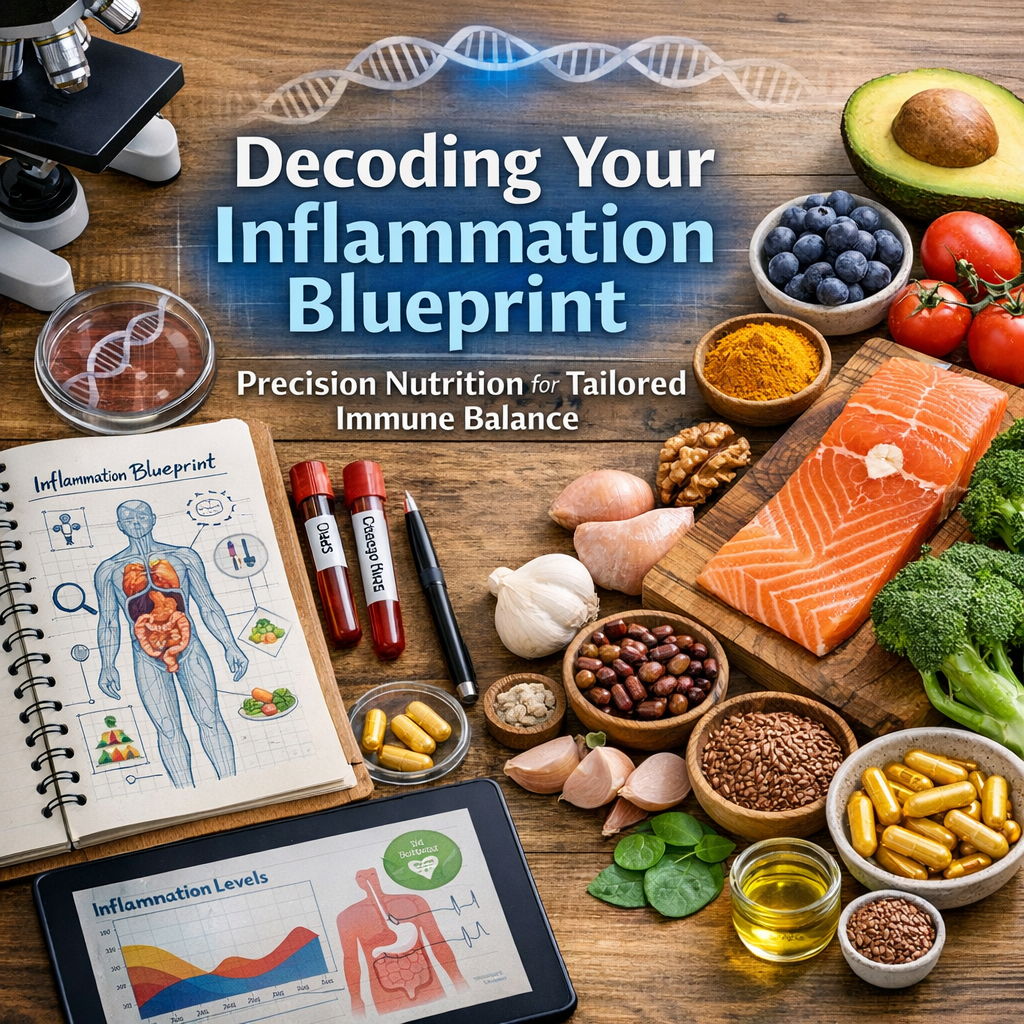
Precision nutrition emphasizes the selection of foods that either reduce inflammation or promote anti-inflammatory responses in the body. This approach draws from the latest advancements in nutritional science, genetics, and technology, offering customized dietary recommendations to help combat inflammation. Foods rich in omega-3 fatty acids, antioxidants, polyphenols, and fibers are lauded for their anti-inflammatory properties. Leafy greens, berries, nuts, fatty fish, and certain spices like turmeric and ginger have all shown to contribute to a reduction in inflammation and the stabilization of immune responses.
Understanding the nuances of how specific nutrients and compounds affect each individual differently is crucial. This involves considering a range of factors such as metabolic rate, genetic predisposition, gut microbiome diversity, and even personal food sensitivities or allergies. By leveraging this personalized approach, individuals can potentially prevent the onset of chronic inflammation-related diseases and lead healthier lives.
Features
In recent years, several professional and medical studies have explored the intersection of precision nutrition and inflammation, revealing encouraging results. For example, a study published in [Nature Reviews Immunology](https://www.nature.com/articles/nri.2016.177) emphasized the role of dietary interventions and their effect on immune function and inflammation pathways. Researchers found that certain nutrients have the potential to modulate immune responses, linking particular dietary patterns with reduced markers of systemic inflammation.
Another important study, published in the [Journal of the American College of Nutrition](https://www.tandfonline.com/doi/full/10.1080/07315724.2018.1495445), explored the Mediterranean diet’s impact on inflammation. This diet, rich in vegetables, fruits, whole grains, and healthy fats, has consistently been associated with significantly lower levels of inflammatory markers like C-reactive protein and interleukin levels in various cohorts.
Furthermore, the emerging field of nutrigenomics—a study of how food interacts with our genes—holds promise for understanding how individuals can use food to manage their inflammation blueprint. One article published in [Advances in Nutrition](https://academic.oup.com/advances/article/3/5/733/4558017) highlighted nutrigenomics’ potential to offer personalized diet recommendations to precisely target inflammation. It suggests how personal meal plans based on genetic variations can modify inflammation levels and, thereby, disease risk.
Innovations in technology, such as wearable devices and personalized health apps, are also crucial in helping individuals track inflammation biomarkers and dietary intake. This data-driven approach allows for more informed nutritional choices and intervention strategies to manage inflammation effectively.
Conclusion
Decoding the inflammation blueprint through precision nutrition represents a frontier in personalized healthcare, allowing individuals to obtain a tailored approach to managing immune balance and preventing chronic diseases. As ongoing research continues to uncover the complexities of how diet and genetic predisposition intersect, the potential for a proactive approach to inflammation and immune health becomes more tangible. By integrating nutrient-rich foods within a personalized dietary plan, individuals can significantly enhance their well-being, reduce the risk of inflammation-related health issues, and improve their quality of life. As science progresses and technologies advance, the future of precision nutrition will likely see even more sophisticated methods to personalize diets, ultimately revolutionizing the way inflammation and immune health are managed.
Concise Summary:
The article explores the concept of decoding an individual’s “inflammation blueprint” through precision nutrition, a personalized approach to diet based on one’s genetic makeup, lifestyle, and health conditions. Chronic inflammation, caused by stress, diet, and lifestyle, can lead to serious health issues. Precision nutrition involves choosing foods that reduce inflammation, with research linking specific diets like the Mediterranean diet to lower inflammation markers. Technological advances, such as apps and devices, support personalized diet strategies, promising improved immune balance and disease prevention. Ongoing research in nutrigenomics continues to enhance our understanding and application of personalized diets for better health outcomes.

Dominic E. is a passionate filmmaker navigating the exciting intersection of art and science. By day, he delves into the complexities of the human body as a full-time medical writer, meticulously translating intricate medical concepts into accessible and engaging narratives. By night, he explores the boundless realm of cinematic storytelling, crafting narratives that evoke emotion and challenge perspectives.
Film Student and Full-time Medical Writer for ContentVendor.com