DNA-Activated Nutrition: Leveraging Genomic Insights for Personalized Health Optimization
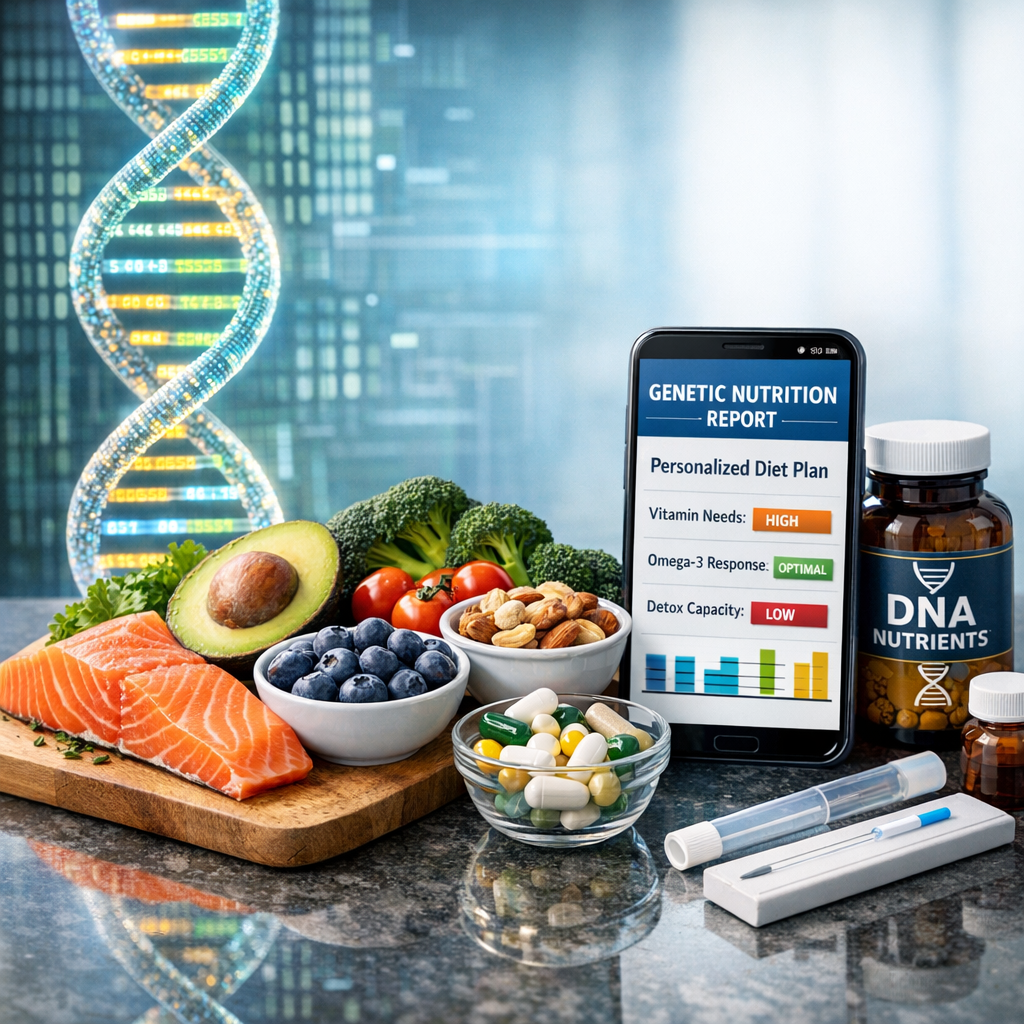
In a world increasingly fascinated by the convergence of technology and health, DNA-activated nutrition stands at the forefront of personalized wellness. Imagine a regimen crafted specifically for you, not based on general dietary guidelines or popular supplements, but rather on the very blueprint that makes you unique: your DNA. This approach, rooted in genomic insights, proposes a revolutionary way to optimize health by tailoring nutritional plans to an individual’s genetic makeup.
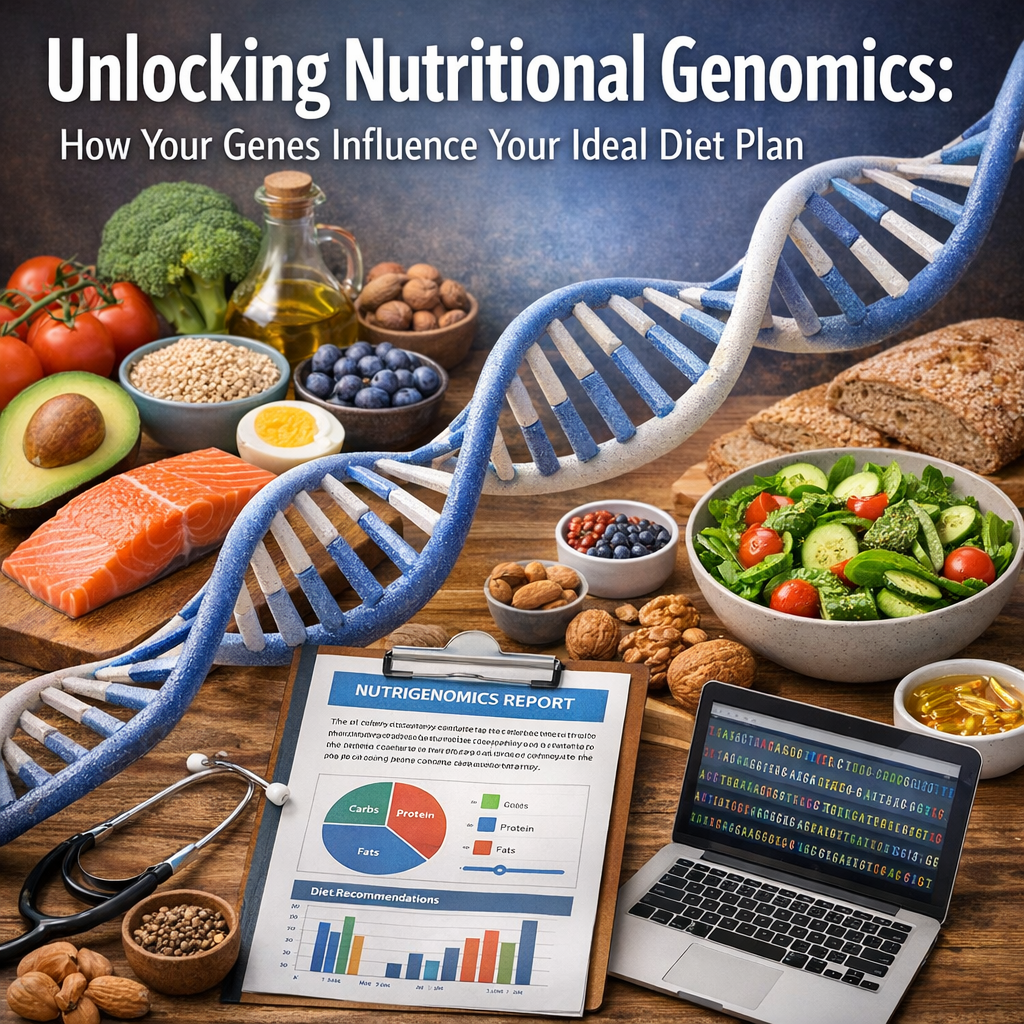
The concept of DNA-activated nutrition is grounded in nutrigenomics, a cutting-edge field of science that studies the interaction between genes and nutrition. By analyzing genetic variations, nutrigenomics enables a deeper understanding of how individual genetic profiles influence nutritional needs and health responses. This allows for the creation of highly personalized nutritional strategies aimed at maximizing health outcomes.
The personalization aspect stems from identifying specific genetic variants that affect nutrient metabolism, susceptibility to certain conditions, and dietary preferences. For instance, some people might discover they are genetically predisposed to lactose intolerance, caffeine sensitivity, or have an increased risk of nutrient deficiencies. With this data, individuals can adjust their diets to either mitigate adverse effects or enhance beneficial outcomes. The implications are staggering: by aligning dietary choices with genetic predispositions, individuals can potentially reduce the risk of chronic diseases, manage weight more effectively, and improve overall wellbeing.
Moreover, DNA-activated nutrition speaks to a growing consumer demand for health solutions that recognize and respect individual differences. In a society moving away from one-size-fits-all paradigms, the customization offered by genomic insights can meet the needs of a diverse population seeking more efficacy in their health endeavors. As this scientific field advances, the promise of DNA-activated nutrition holds immense potential not only for enhancing health prospects but also for transforming the dietary landscape into one that’s more adaptable, precise, and personalized than ever before.
Features:
The foundation of DNA-activated nutrition is the burgeoning body of research within the field of nutrigenomics. Several professional and medical studies lend credibility to this innovative approach, revealing how our genes can interact with our diet and affect health outcomes.
A pivotal study conducted by the National Institutes of Health explored the correlation between dietary intake and genetic predispositions to obesity, diabetes, and cardiovascular diseases. The results highlighted specific genetic markers influential in lipid and carbohydrate metabolism, suggesting that individuals with certain genotypes might benefit from tailored dietary interventions ([NIH, 2019](https://www.nih.gov/news-events/news-releases/personalized-nutrition-key-overcoming-obesity-diabetes)).
Another significant contribution is a study published in the journal “Nutrients,” which demonstrated the potential of personalized nutrition to modulate inflammatory responses. The research identified genetic variations that affect anti-inflammatory nutrient utilization, leading to personalized dietary plans aimed at reducing inflammation and improving immune function ([Nutrients, 2020](https://www.mdpi.com/2072-6643/12/1/51)).
Further adding to the credibility of this approach, a comprehensive review article in “Nature Reviews Genetics” emphasized the potential of nutrigenomics to enhance nutritional recommendations and public health strategies. This review underscored the role of personalized nutrition in preventing and managing chronic diseases, thus revolutionizing nutritional science and application ([Nature Reviews Genetics, 2021](https://www.nature.com/articles/nrg.2021.2)).
Moreover, the Human Genome Project, completed in 2003, laid the groundwork for personalized nutrition by decoding the entire human genome. This monumental achievement opened the doors to understanding how individual genetic variations impact health and nutrition. With advancements in genomic technologies, the cost and accessibility of genetic testing have decreased, making personalized nutrition more attainable for the general public.
These studies and initiatives underline the potential of DNA-activated nutrition as a transformative tool in health optimization. By moving beyond generic dietary guidelines and employing a more nuanced, individualized approach, people can better harness the power of food to support their unique genetic makeup and health trajectories.
Conclusion:
In embracing DNA-activated nutrition, we stand at the cusp of a new era in health and wellness. As science continues to unravel the complex interplay between our genes and diet, the capacity to personalize nutrition is becoming a tangible reality rather than a distant possibility. This approach holds the promise of not only enhancing individual health outcomes but also revitalizing our understanding of nutrition itself.
DNA-activated nutrition invites us to reimagine dietary interventions by aligning them with our genetic makeup, thereby optimizing the nourishing potential of what we consume. It places health optimization in the hands of the individual, empowering people to make informed choices based on scientific insights. Ultimately, as the field continues to evolve, DNA-activated nutrition has the potential to transform the way we approach diet, health, and wellbeing, paving the way for a more personalized and promising future.
References:
– National Institutes of Health (2019). [Personalized Nutrition and Obesity](https://www.nih.gov/news-events/news-releases/personalized-nutrition-key-overcoming-obesity-diabetes).
– Nutrients (2020). [Personalized Nutrition and Inflammatory Response](https://www.mdpi.com/2072-6643/12/1/51).
– Nature Reviews Genetics (2021). [The Role of Nutrigenomics in Public Health](https://www.nature.com/articles/nrg.2021.2).
– Human Genome Project (2003). [Genome Decoding](https://www.genome.gov/human-genome-project/What).
Concise Summary
DNA-activated nutrition, based on the field of nutrigenomics, allows for personalized dietary plans tailored to an individual’s genetic makeup. By analyzing genetic variations, this approach optimizes health outcomes by aligning nutrition with genetic predispositions. Studies from institutions like the National Institutes of Health and publications such as Nutrients and Nature Reviews Genetics underscore its potential to revolutionize health strategies. As genomic technologies become more accessible, this personalized approach offers promising advancements in managing chronic diseases, improving individual health, and transforming nutritional science for diverse populations.

Dominic E. is a passionate filmmaker navigating the exciting intersection of art and science. By day, he delves into the complexities of the human body as a full-time medical writer, meticulously translating intricate medical concepts into accessible and engaging narratives. By night, he explores the boundless realm of cinematic storytelling, crafting narratives that evoke emotion and challenge perspectives.
Film Student and Full-time Medical Writer for ContentVendor.com