Decoding the Microbiome: Can Personalized Nutrition Outpace Traditional Medicine for Chronic Disease Management?
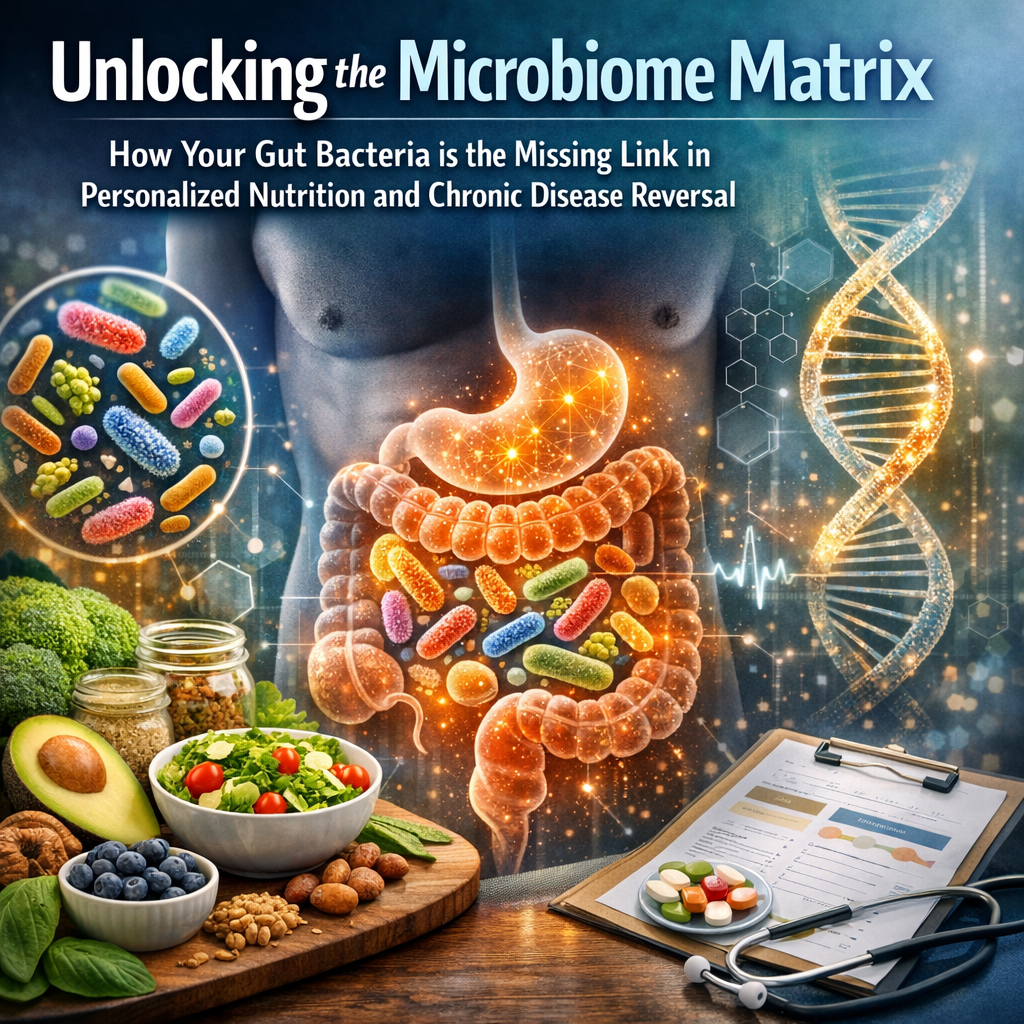
In recent years, personalized nutrition has emerged as a promising frontier in the management of chronic diseases, challenging the traditional paradigms of conventional medicine. Central to this development is the role of the human microbiome—a diverse community of trillions of microorganisms residing primarily in our gut, playing a crucial part in our overall health. Increasing research suggests that the microbiome significantly influences our metabolism, immune function, and even our mental health. As our understanding of these microscopic organisms grows, so does the potential of leveraging personalized nutrition approaches to manage chronic diseases more effectively than ever before.
Chronic conditions like obesity, diabetes, cardiovascular diseases, and inflammatory disorders constitute a significant health burden worldwide. Traditional medicine often treats these conditions with a one-size-fits-all approach through medications and lifestyle recommendations. However, these methods may not adequately address the unique biological makeup of each individual, potentially leading to suboptimal outcomes. This is where the concept of personalized nutrition shines. By analyzing an individual’s genetic makeup, lifestyle, and microbiome composition, personalized nutrition aims to tailor dietary recommendations that optimize health outcomes for each person.
It is well-documented that the microbiome’s balance can greatly influence disease risk and progression. For instance, specific bacterial profiles are associated with obesity and diabetes, while others are linked to inflammatory diseases like Crohn’s and ulcerative colitis. The idea is that by manipulating the microbiome through targeted dietary interventions, we can potentially mitigate these risks or even reverse disease progression. Personalized nutrition considers food not just as sustenance but as precise, strategic medicine that can align with one’s genetic and microbial predispositions to foster better health outcomes.
Moreover, personalized nutrition aligns closely with the growing trend of preventative healthcare. With chronic diseases, prevention can be far more impactful than treatment after onset. Individuals armed with knowledge about their unique genetic and microbiome composition can make informed choices that preemptively ward off disease. As such, the potential of personalized nutrition in chronic disease management is not just a trend but a revolution in the making. But can this tailored approach truly outpace the traditional medicine’s efficacy in managing chronic conditions? Let’s delve into the scientific evidence to explore this intriguing possibility.
Features: The Science Behind the Power of Personalized Nutrition
Recent studies spotlight the transformative potential of personalized nutrition in chronic disease management. One notable study published in the journal *Cell* in 2015 by Zeevi et al. from the Weizmann Institute of Science underscores the individuality of blood sugar responses to identical meals in among participants. The researchers developed an algorithm capable of predicting individualized glucose responses based on data including dietary habits, physical activity, and microbiome composition, highlighting how personalized meal plans could help manage conditions such as diabetes more effectively than generic recommendations could.
Furthermore, a 2017 study published in *Nature* demonstrated that a personalized dietary approach, which included microbiome analysis, improved dietary outcomes and reduced disease symptoms in patients with various metabolic conditions. This study concluded that diet recommendations tailored to the individual’s microbiome composition could improve glucose control in obese and diabetic patients, thereby better managing their health issues than standard dietary advice.
Beyond metabolic diseases, the microbiome has been linked to mental health conditions through the gut-brain axis, a bidirectional communication pathway between the gut and the brain. An article published in *General Psychiatry* in 2019 argues that personalized nutrition could play a crucial role in managing mental health disorders by reshaping the gut microbiome. This finding suggests that certain probiotics or prebiotics might be engineered or recommended to an individual’s unique microbiome profile for potential therapeutic benefits.
However, while promising, the field of personalized nutrition is still nascent and the effectiveness of microbiome-driven dietary decisions in large-scale traditional practice remains to be comprehensively validated. Continued clinical trials and longitudinal studies will be indispensable to understand the nuances of microbiome-based dietary interventions fully and their sustained impact on chronic conditions.
Conclusion: A New Paradigm in Chronic Disease Management
Personalized nutrition offers a compelling, individualized approach to chronic disease management, potentially surpassing traditional medicine’s one-size-fits-all strategy. By tailoring dietary interventions based on the microbiome, it strives not only to treat but also to prevent disease. The synergy of personalized nutrition with traditional medicine could yield a robust framework for managing chronic conditions, optimizing health outcomes through a more intimate understanding of our bodies’ unique needs.
Yet, while promising, this approach must be embraced with cautious optimism as research progresses. The complexity of the microbiome and its interaction with human health requires extensive exploration to fully unlock its potential. Meanwhile, individuals can begin taking small steps—like consuming a diverse array of fiber-rich foods—to nurture their microbiome health as science continues to advance this innovative approach to wellness.
Concise Summary:
Personalized nutrition, leveraging insights from the microbiome—the community of microorganisms in our gut—emerges as a potential game-changer for chronic disease management. Unlike traditional one-size-fits-all treatments, personalized nutrition offers tailored dietary interventions based on individual genetic and microbial profiles, potentially preventing and reversing diseases like diabetes and obesity. Studies highlight its efficacy, yet the approach is still in its infancy and requires more research to validate its widespread application. Personalized nutrition holds the promise of transforming chronic disease prevention and treatment, merging with traditional medicine for optimized health outcomes.

Dominic E. is a passionate filmmaker navigating the exciting intersection of art and science. By day, he delves into the complexities of the human body as a full-time medical writer, meticulously translating intricate medical concepts into accessible and engaging narratives. By night, he explores the boundless realm of cinematic storytelling, crafting narratives that evoke emotion and challenge perspectives.
Film Student and Full-time Medical Writer for ContentVendor.com