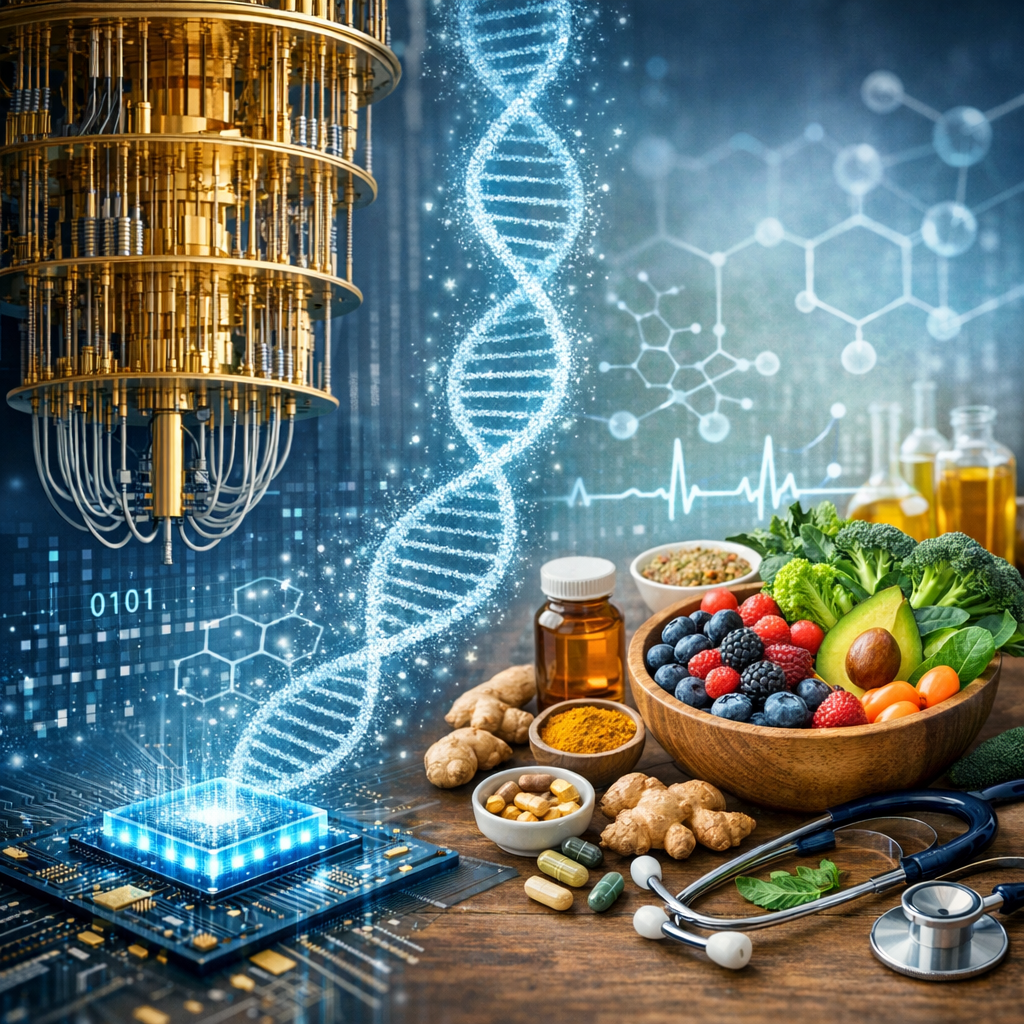
Unlocking the Future of Health: How Quantum Computing Could Revolutionize Food as Medicine
*Introduction*
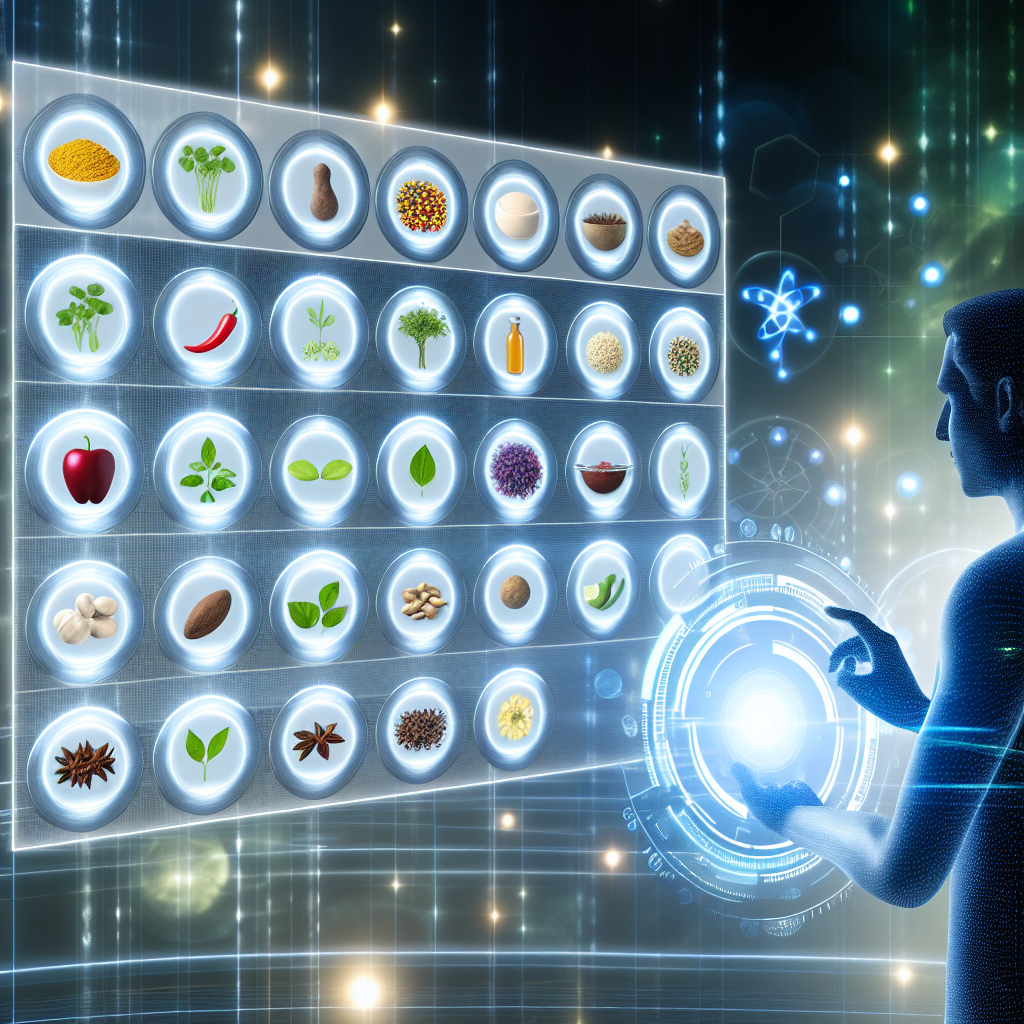
In the ever-evolving landscape of healthcare, the intersection of technology and natural medicine presents an unprecedented opportunity to transform how we view food as a tool for healing. With the advent of quantum computing, the leap from theoretical potential to practical application in the realm of food as medicine is closer than ever before. Quantum computing, characterized by its ability to process information at unprecedented speeds using quantum bits or qubits, offers a revolutionary way to analyze complex biological systems and vast sets of nutritional data.
As chronic diseases continue to rise globally, there is a pressing need for sustainable, effective treatment options. Traditional medicine often emphasizes symptom management, whereas quantum computing could enable the development of personalized dietary regimens that target the root causes of these ailments. By harnessing the power of quantum algorithms, researchers and healthcare professionals can potentially unlock new insights into the biochemical interactions between food and the human body.
This paradigm shift from perceiving food merely as sustenance to considering it as a potential therapeutic agent is gaining traction. Historically, various cultures have integrated food-based treatments into their healing practices. Modern science, augmented by quantum computing, can take these time-honored practices to another level, allowing for precise customization based on an individual’s genetic makeup and health status.
Expanding this thought, consider how traditional practices like Ayurveda and Traditional Chinese Medicine, which already emphasize food’s healing properties, could be scientifically validated and enhanced using quantum computing. These ancient systems might be scientifically mapped to align with modern health problems, resulting in evidence-based dietary prescriptions that resonate with both tradition and cutting-edge technology.
Quantum computing’s ability to analyze complex biological interactions opens up possibilities for discovering novel bioactive compounds in foods that can prevent or treat diseases with high accuracy. This innovative approach aligns with the principles of personalized medicine, wherein interventions are tailored to the unique genetic and environmental profile of each patient. Furthermore, combining quantum computing with artificial intelligence could lead to rapid advancements in the discovery and integration of natural cures, homeopathy, and herbal treatments with minimal side effects.
In this article, we explore how the integration of quantum computing with food science may revolutionize the approach to using food as a means of promoting health and treating disease. By leveraging cutting-edge technology, we stand on the cusp of a new era in healthcare where prevention and treatment are harmonized through the intelligent use of foods.
Features
The potential of quantum computing to revolutionize the concept of food as medicine is supported by several professional and academic studies. A study by the Massachusetts Institute of Technology (MIT) published in Nature Communications explores how quantum algorithms can model complex molecular interactions—information crucial in understanding how specific nutrients affect human health.
Further supporting the role of quantum computing in healthcare is research by the University of California, which investigates quantum computing’s applications in drug discovery and nutrient analysis. The study suggests that by simulating the quantum states of molecules within food, quantum computers can predict reactions within the human body more accurately than classical computing systems can. This is crucial for identifying food compounds that might offer medicinal benefits.
Moreover, the applications of quantum computing in genomics are directly applicable to the food as medicine paradigm. The medical journal *Lancet* details advancements in precision medicine enabled by quantum technologies, emphasizing the potential for individualized diet plans tailored to genetic predispositions, which could prevent disease onset.
For example, quantum computing can help genomics experts decode gene-nutrient interactions more precisely, allowing them to design dietary prescriptions that mitigate genetic risks. This could be significant for conditions like diabetes or cardiovascular diseases, where gene-environment interactions play a critical role.
Current research by IBM’s Quantum Systems division is also exploring how quantum computing can tackle the vast complexities involved in the nutrient-disease nexus. In partnership with leading healthcare organizations, IBM is developing quantum models that analyze how bioactive food compounds interact with various biochemical pathways associated with common health issues such as inflammation and metabolic syndrome, suggesting the possible creation of targeted dietary interventions.
These studies exemplify the symbiotic potentials of quantum technology in both food and health sciences, heralding a new dimension of personalized health interventions. The promise of quantum computing lies not only in its ability to process vast amounts of data but also in providing deeper, actionable insights that classical computers are ill-equipped to handle. These insights are crucial for the next generation of homeopathic and herbal treatments, potentially revolutionizing how we perceive and utilize food in both preventive and therapeutic contexts.
Conclusion
As we stand on the brink of unprecedented change, quantum computing promises to revolutionize our understanding of food as medicine. Through its capacity to simulate and analyze the complex biochemical interactions within the human body, quantum computing paves the way for highly individualized dietary interventions that align with the principles of personalized medicine. This technological advancement not only signifies a promising new frontier for the treatment and prevention of diseases but also promotes a revaluation of time-tested natural cures and treatments.
The fusion of quantum computing and food science is more than a technological leap—it embodies a paradigm shift towards a future where health is sustained not by pharmaceuticals alone but by harnessing the innate healing power of food. As such, quantum computing could play an integral role in shaping a healthier, more sustainable world where every meal contributes not just to sustenance but to holistic well-being. Embracing this potential will require interdisciplinary collaboration and continued investment in research and development, guiding us toward a future where food truly becomes medicine at the quantum level.
*References:*
– MIT and Nature Communications
– University of California and *Lancet*
– IBM Quantum Systems
Concise Summary
Quantum computing is poised to drastically transform the use of food as medicine by enabling precise analysis of complex biological systems and nutritional data. This technology can potentially offer personalized dietary regimens tailored to individual genetic and health profiles. Research by prestigious institutions like MIT and IBM indicates quantum capabilities in analyzing bioactive compounds in foods, offering breakthroughs in disease prevention and treatment. This integration of quantum computing with food science heralds a paradigm shift in healthcare, promoting the use of natural cures and dietary interventions for holistic health and sustainability.

Dominic E. is a passionate filmmaker navigating the exciting intersection of art and science. By day, he delves into the complexities of the human body as a full-time medical writer, meticulously translating intricate medical concepts into accessible and engaging narratives. By night, he explores the boundless realm of cinematic storytelling, crafting narratives that evoke emotion and challenge perspectives.
Film Student and Full-time Medical Writer for ContentVendor.com