Unlocking the Microbiome: How Gut Synchronicity Could Revolutionize Chronic Disease Management
Introduction
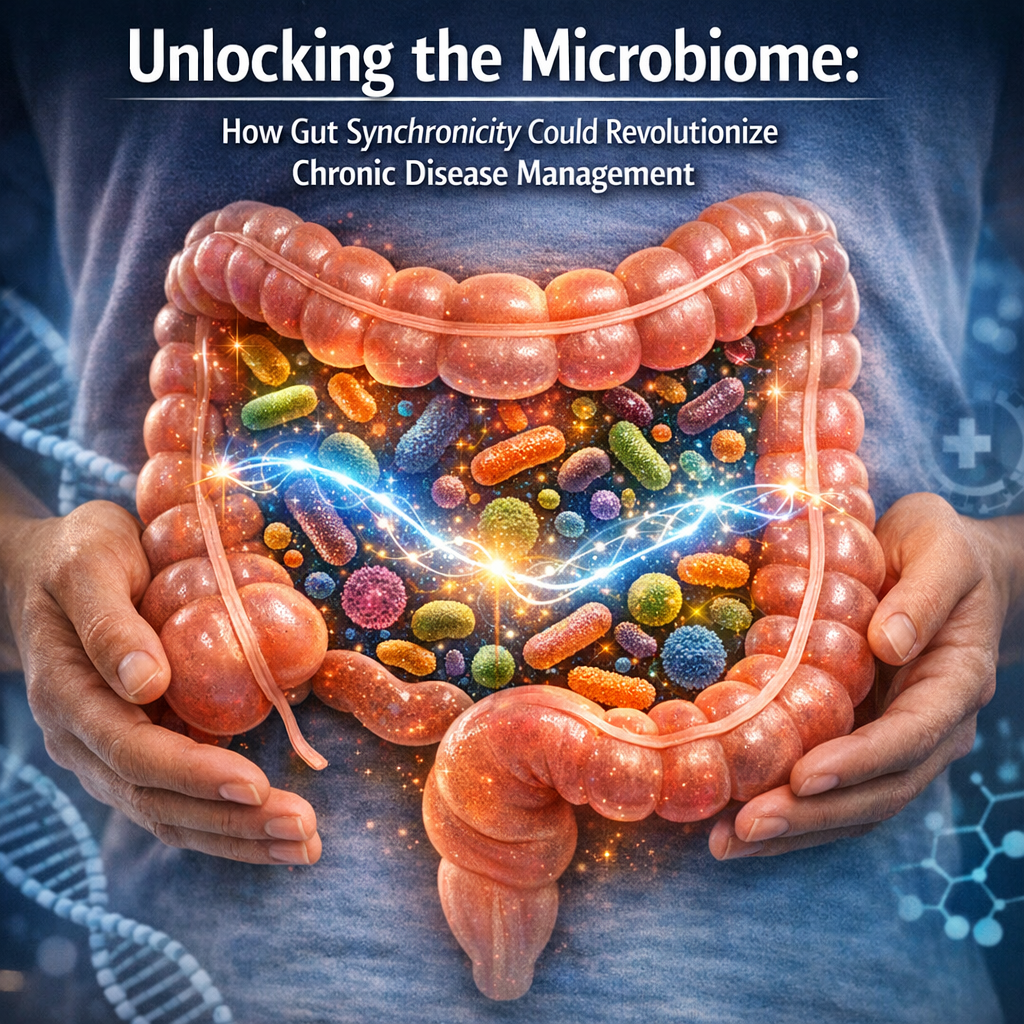
In recent years, the burgeoning interest in the human microbiome has begun to reshape how we understand health and disease. This community of trillions of microorganisms inhabiting our bodies, primarily in the gut, plays a pivotal role in our overall well-being. With its ability to influence everything from digestion to mental health, the microbiome is increasingly being recognized as a central player in how our body functions.
As we delve deeper into the complexity of this internal ecosystem, a remarkable concept has emerged: the potential for gut synchronicity to revolutionize the management of chronic diseases. Chronic diseases like diabetes, heart disease, and autoimmune disorders have traditionally been treated with a combination of medication, lifestyle changes, and diet control. However, these conventional approaches often overlook the underlying microbial imbalances that may be exacerbating disease progression.
Studies have shown that an imbalanced microbiome, or dysbiosis, is linked to inflammation, immune system dysfunction, and metabolic issues, all of which are key factors in the progression of chronic diseases. Gut synchronicity refers to the harmonious balance of microbial communities in the gut which optimizes bodily functions and supports healthier states.
Emerging research suggests that by restoring this critical hierarchy, we can potentially mitigate, manage, or even prevent chronic diseases more effectively than ever before. Approaches like probiotics, prebiotics, dietary modifications, and lifestyle adjustments are just beginning to be understood in their ability to harmonize the gut environment.
The understanding of gut health and its impact on diseases is not just a fad but a frontier in modern medicine that could redefine how we approach long-term health management. As research continues to evolve, unlocking the full potential of the microbiome promises innovative treatments and preventative strategies that could revolutionize the way chronic diseases are managed.
Features
Research into the human microbiome has accelerated rapidly, with numerous studies highlighting the profound impact of gut health on chronic disease. For instance, a study published in the journal *Nature* demonstrated the role of gut bacteria in regulating the immune system and influencing autoimmune diseases such as rheumatoid arthritis and inflammatory bowel disease. The researchers found that specific bacterial strains could modulate inflammatory responses, suggesting that targeted manipulation of the microbiome might alleviate symptoms or alter disease progression ([Nature article on gut bacteria and autoimmune diseases](https://www.nature.com/articles)).
Another fascinating study in *Cell* revealed how gut microbiota composition could directly impact metabolic conditions like obesity and type 2 diabetes. This research indicated that a diverse microbiome might enhance insulin sensitivity and reduce inflammation, critical factors in managing these chronic issues. By understanding the intricate relationships between bacteria and host metabolism, scientists are working towards developing microbiota-targeted therapies for improved management of metabolic disorders ([Cell research findings on microbiota and metabolic conditions](https://www.cell.com/articles)).
Moreover, the Gut-Brain Axis—a bidirectional communication pathway between the gut and brain—has opened a new frontier in understanding mental health. Disorders such as depression and anxiety have been linked to gut health; a landmark study from *Psychosomatic Medicine* found that probiotics could influence mood and cognitive functions. This gut-brain connection paves the way for novel approaches in managing neuropsychiatric conditions by targeting gut health ([Psychosomatic Medicine study on the Gut-Brain Axis](https://www.psychosomaticmedicine.org/articles)).
The accumulating evidence emphasizes the potential of the microbiome as a therapeutic target. Currently, advanced techniques such as fecal microbiota transplantation are being explored to reset the gut environment, showing promise in treating conditions like Clostridium difficile infection and inflammatory bowel disease. Additionally, the Therapeutic Microbiome Project aims to engineer specific microorganisms that deliver therapeutic molecules, highlighting the microbiome’s role as a living drugstore within us ([Therapeutic Microbiome Project](https://www.therapeutic-microbiome-project.org)).
The realization that gut health plays a central role in chronic disease management has modified public and clinical approaches. By merging traditional medicine with holistic and natural therapies to restore gut synchronicity, the potential benefits are vast—pointing towards a future where personalized microbiome therapy could become mainstream in chronic disease management.
Conclusion
The understanding of the microbiome and its application in chronic disease management marks a new era in healthcare. As we continue to unravel the intricate connections between gut health and systemic diseases, the possibilities for natural, effective treatments expand. Embracing the concept of gut synchronicity is not merely an adjunct to modern medicine but a progressive approach that seeks harmony within our internal ecosystems to promote health and longevity.
The realization of a more integrated approach that incorporates microbiome health into chronic disease strategies not only holds promise for better patient outcomes but empowers individuals with holistic options in their health journeys. As we advance, it is crucial for healthcare providers and patients to collaborate in exploring these microbial therapies, mindful of their transformative potential to redefine disease management.
Summary: The burgeoning focus on the human microbiome underscores its profound influence on chronic diseases like diabetes, heart disease, and autoimmune disorders. Studies reveal an imbalanced microbiome links to inflammation and immune dysfunction, impacting disease progression. By restoring gut synchronicity through probiotics, prebiotics, and other approaches, we can more effectively manage chronic conditions. This understanding isn’t just a fad; it heralds a new frontier in healthcare, promising innovative therapies and preventative strategies at the intersection of traditional and holistic medicine. Emphasizing the gut’s role could revolutionize chronic disease management, promoting personalized, effective treatments for long-term health.

Dominic E. is a passionate filmmaker navigating the exciting intersection of art and science. By day, he delves into the complexities of the human body as a full-time medical writer, meticulously translating intricate medical concepts into accessible and engaging narratives. By night, he explores the boundless realm of cinematic storytelling, crafting narratives that evoke emotion and challenge perspectives.
Film Student and Full-time Medical Writer for ContentVendor.com