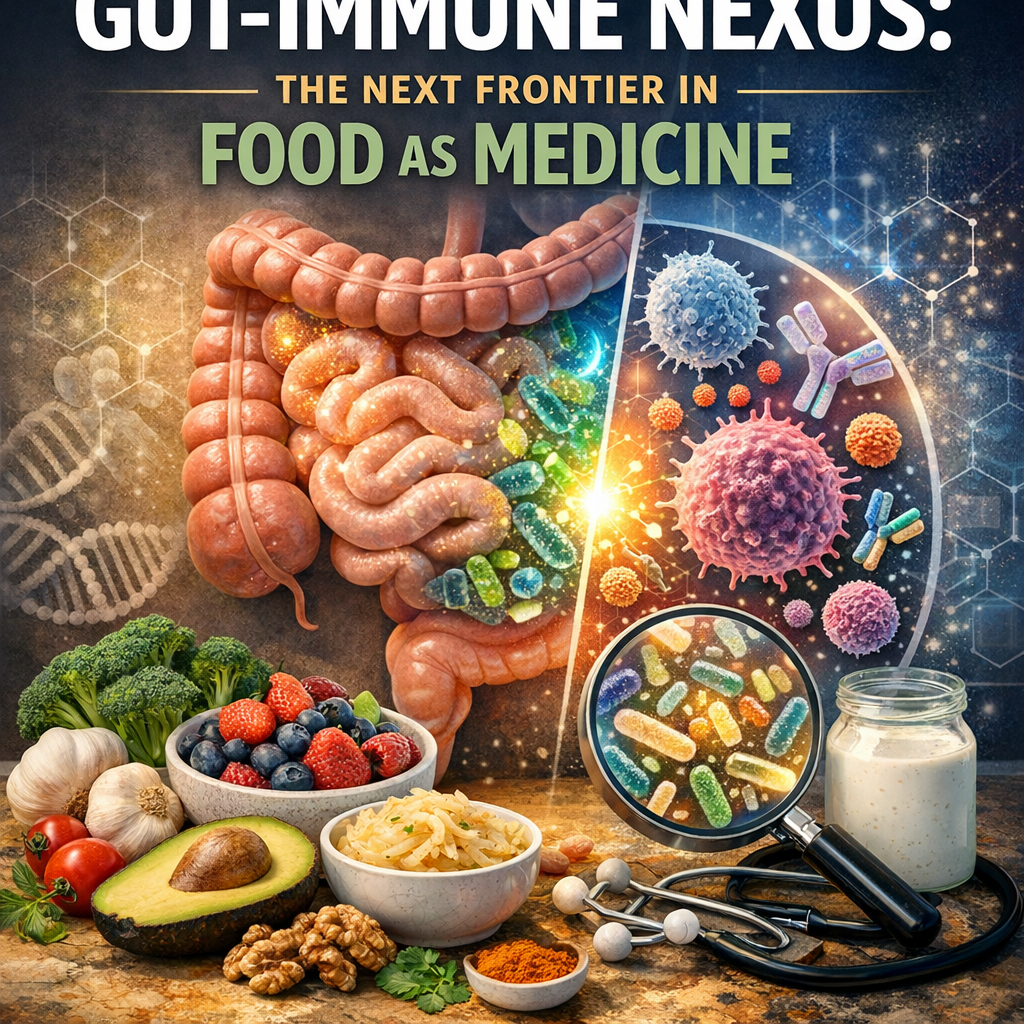
Gut-Immune Nexus: The Next Frontier in Food as Medicine
In recent years, there has been a paradigm shift in how we perceive the relationship between our diet and overall health. Among the various avenues being explored, the connection between the gut and the immune system stands out as a frontier that could redefine food as medicine. The gut-immune nexus—a complex web of interactions between the gastrointestinal tract and the immune system—plays a significant role in maintaining our body’s homeostasis. This connection has captivated researchers and nutritionists alike, prompting a re-evaluation of how natural cures, homeopathic, and herbal treatments can fortify this crucial biological network.
The gut houses nearly 70% of the body’s immune cells, marking it as a critical frontline for immune defense. The trillions of microbes residing in our gut, known as the gut microbiota, not only help in digesting food but also train our immune system to differentiate between friend and foe. This intricate relationship underscores the importance of a balanced gut microbiome for optimal immune function.
Advocating for a diet rich in probiotics, prebiotics, and naturally fermented foods is integral to supporting this gut-immune axis. Foods like yogurt, kimchi, sauerkraut, and kombucha are excellent sources of probiotics that boost the population of beneficial bacteria in the gut. Prebiotics, on the other hand, found in fiber-rich foods such as bananas, onions, and garlic, provide nourishment for these good bacteria, ensuring their growth and maintaining the balance necessary for a robust immune system.
Herbal treatments also play a crucial role in bridging the gut-immune connection. Turmeric, with its active compound curcumin, possesses potent anti-inflammatory properties that can soothe the gut lining and promote a favorable immune response. Similarly, the adaptogenic herb Ashwagandha is known to modulate the immune system, reducing stress-induced inflammation that can compromise gut health.
Further exploring this nexus, the role of homeopathy in strengthening gut health cannot be underestimated. Homeopathic remedies, based on the principle of ‘like cures like,’ offer a holistic approach to rectifying gut dysbiosis—a condition marked by microbial imbalance and impaired immunity. For instance, homeopathic preparations derived from natural sources such as lycopodium and nux vomica are respected for their efficacy in resolving gut-related issues, thereby indirectly bolstering the body’s natural defenses.
With our understanding of the gut-immune axis expanding, modern science continues to uncover how certain nutrients and holistic practices can harness the power of food as medicine. This evolving knowledge encourages consumers to view their diet not just as a means of sustenance but as an active, integral component of maintaining and enhancing health.
Features: Professional and Medical Studies
To comprehend the significance of the gut-immune connection, it’s essential to consider the growing body of scientific research that underpins its credibility. A study conducted by the National Institutes of Health highlighted the pivotal role that gut microbes play in controlling immune function and the onset of autoimmune diseases. According to this research, alterations in the gut microbiota can lead to widespread systemic inflammation, underscoring the importance of maintaining a healthy microbial balance ([NIH](https://www.nih.gov)).
Furthermore, a study published in the journal [*Nature Reviews Immunology*](https://www.nature.com/nri/) reveals how gut-associated lymphoid tissue (GALT) serves as a vital center for immune cell development and function. This tissue is constantly exposed to dietary antigens and gut microbiota, which help shape the immune response. The research emphasizes that any imbalance in the gut environment can lead to a heightened risk of infections and chronic inflammatory diseases.
The role of dietary interventions in modulating the gut microbiome and, consequently, the immune system has also been extensively studied. The [*Journal of Functional Foods*](https://www.journals.elsevier.com/journal-of-functional-foods) featured research indicating that fermented foods, rich in probiotics, have a profound impact on enhancing immune responses. The introduction of beneficial bacteria found in these foods was shown to increase the production of antibodies and stimulate the activity of natural killer cells – both crucial components of the immune system.
Additionally, herbal medicine and its impact have been validated through clinical studies. The anti-inflammatory effects of curcumin, found in turmeric, have been demonstrated in multiple trials. A randomized controlled trial published in the [*American Journal of Clinical Nutrition*](https://academic.oup.com/ajcn) concluded that curcumin supplementation significantly reduced markers of inflammation in patients with metabolic syndrome, a condition linked to both gut and immune health.
These studies collectively paint a compelling picture of the gut-immune nexus as a potential frontier in the realm of food as medicine. With empirical evidence supporting the beneficial interactions between diet, gut health, and immunity, there is a burgeoning case for integrating probiotics, prebiotics, and herbal remedies into conventional wellness practices.
Conclusion
The gut-immune nexus represents an exhilarating frontier in the ongoing narrative of food as medicine. As research progressively uncovers the profound implications of this symbiotic relationship, the importance of nourishing our gut microbiome for robust immune health becomes increasingly apparent. The integration of probiotics, prebiotics, and herbal treatments into our daily diets offers an innovative approach to health optimization.
This exploration reaffirms the pivotal role of natural remedies in shaping our wellness journey, inviting us to shift our perspective on food. In viewing nutrition as a crucial linchpin of immune support, we empower ourselves with the tools needed to harness nature’s bounty for health and healing. As science advances, the gut-immune connection promises to unlock new possibilities for using food not just as sustenance, but as a therapeutic ally in our quest for vitality.
References
1. NIH Study on Gut Microbiota: [NIH](https://www.nih.gov)
2. *Nature Reviews Immunology* on GALT and Immune Function: [Nature Reviews Immunology](https://www.nature.com/nri/)
3. *Journal of Functional Foods* on Fermented Foods and Immunity: [Journal of Functional Foods](https://www.journals.elsevier.com/journal-of-functional-foods)
4. *American Journal of Clinical Nutrition* on Curcumin: [American Journal of Clinical Nutrition](https://academic.oup.com/ajcn)
Concise Summary
The gut-immune nexus is emerging as a critical frontier in the use of food as medicine, underscoring the need to nourish the gut microbiome for effective immune function. With the gut hosting 70% of the body’s immune cells, a balanced diet rich in probiotics and prebiotics is advocated for maintaining this connection. Herbal treatments and homeopathic remedies also contribute by promoting a favorable immune response. Supported by empirical evidence, the potential of dietary interventions to enhance health positions the gut-immune axis as an innovative avenue for holistic wellness practices.

Dominic E. is a passionate filmmaker navigating the exciting intersection of art and science. By day, he delves into the complexities of the human body as a full-time medical writer, meticulously translating intricate medical concepts into accessible and engaging narratives. By night, he explores the boundless realm of cinematic storytelling, crafting narratives that evoke emotion and challenge perspectives.
Film Student and Full-time Medical Writer for ContentVendor.com