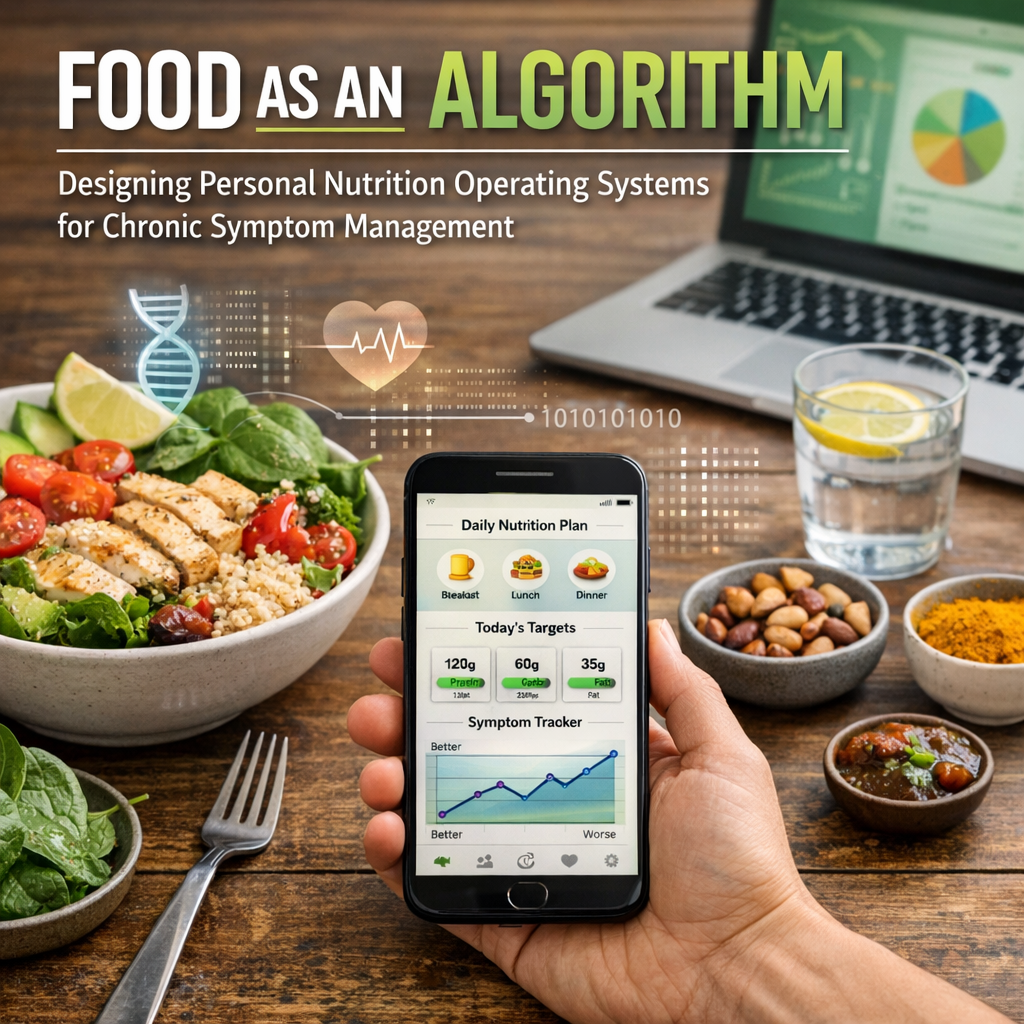
Food as an Algorithm: Designing Personal Nutrition Operating Systems for Chronic Symptom Management
Introduction
In today’s fast-paced world, health and well-being often take a back seat, leading to a rise in chronic ailments. Conditions like arthritis, diabetes, hypertension, and irritable bowel syndrome have become commonplace. Traditionally managed with medication, there’s a growing interest in exploring the role of personalized nutrition in mitigating chronic symptoms. This is where the concept of treating “food as an algorithm” comes into play—a transformative notion that leverages the power of personalized dietary interventions as a nutritional operating system tailored to the individual.
The idea of food acting as a personalized algorithm stems from the understanding that each person’s body processes nutrients differently. This variability is influenced by genetic makeup, lifestyle, existing health conditions, and even environmental factors. With advancements in nutritional science and data analytics, it’s now possible to design a ‘personal nutrition operating system’—a systematic, individualized approach to food that can aid in chronic symptom management. Such systems work by identifying and employing specific foods and nutrients that positively interact with one’s unique biological makeup, thereby optimizing health outcomes.
One crucial component of this approach is the use of natural cures and homeopathic treatments. Unlike pharmaceuticals that often treat symptoms in isolation, a well-designed nutritional regimen can potentially address the root cause of ailments. Natural products like turmeric, with its active compound curcumin, have shown considerable promise in managing inflammation [source](https://www.ncbi.nlm.nih.gov/pmc/articles/PMC5664031/). Similarly, probiotics can aid individuals with gut issues by promoting a healthy gut microbiota, which is essential for overall health [source](https://www.ncbi.nlm.nih.gov/pmc/articles/PMC5641835/).
Another compelling aspect of utilizing food as an algorithm is its foundation in holistic practices, long ingrained in various cultural traditions. For instance, the Ayurvedic dietary system from India emphasizes food as a source of healing, while Traditional Chinese Medicine incorporates specific foods for balancing internal energies. The Ayurvedic system, for example, uses a tri-dosha theory which tailors diets according to the balance of Vata, Pitta, and Kapha energies in individuals.
What makes this subject matter particularly exciting is that it combines traditional wisdom with cutting-edge scientific research. It aims to refine public understanding of how personalized dietary solutions can be as essential as medications in the comprehensive management of chronic diseases. As more people become aware of and adopt these principles, the potential for improved quality of life through tailored nutrition becomes increasingly tangible.
Features
Several professional and medical studies underscore the potential of designing personalized nutrition operating systems. A groundbreaking study conducted by the Weizmann Institute of Science demonstrated the variability in blood glucose responses to identical meals among different individuals. This research reinforced the importance of individualized dietary recommendations for effective blood sugar management, emphasizing the inadequacy of one-size-fits-all diets [source](https://www.cell.com/cell/abstract/S0092-8674(15)01481-6).
Another study focuses on the effectiveness of herbal treatments in chronic symptom management. For instance, ginger has been shown to play a significant role in reducing symptoms of nausea and chronic inflammation. Through randomized controlled trials, researchers have found that ginger can effectively reduce inflammation in conditions like osteoarthritis [source](https://www.ncbi.nlm.nih.gov/pubmed/22922078).
Moreover, personalized nutrition has been gaining traction in the realm of mental health. A study published in the journal *Nutrients* highlights how certain dietary patterns and nutrients can have profound effects on mental health conditions such as anxiety and depression. Omega-3 fatty acids, B vitamins, and magnesium have shown promise in alleviating symptoms of anxiety and depression, indicating that individual dietary strategies could substantially impact mental well-being [source](https://www.mdpi.com/2072-6643/9/5/482).
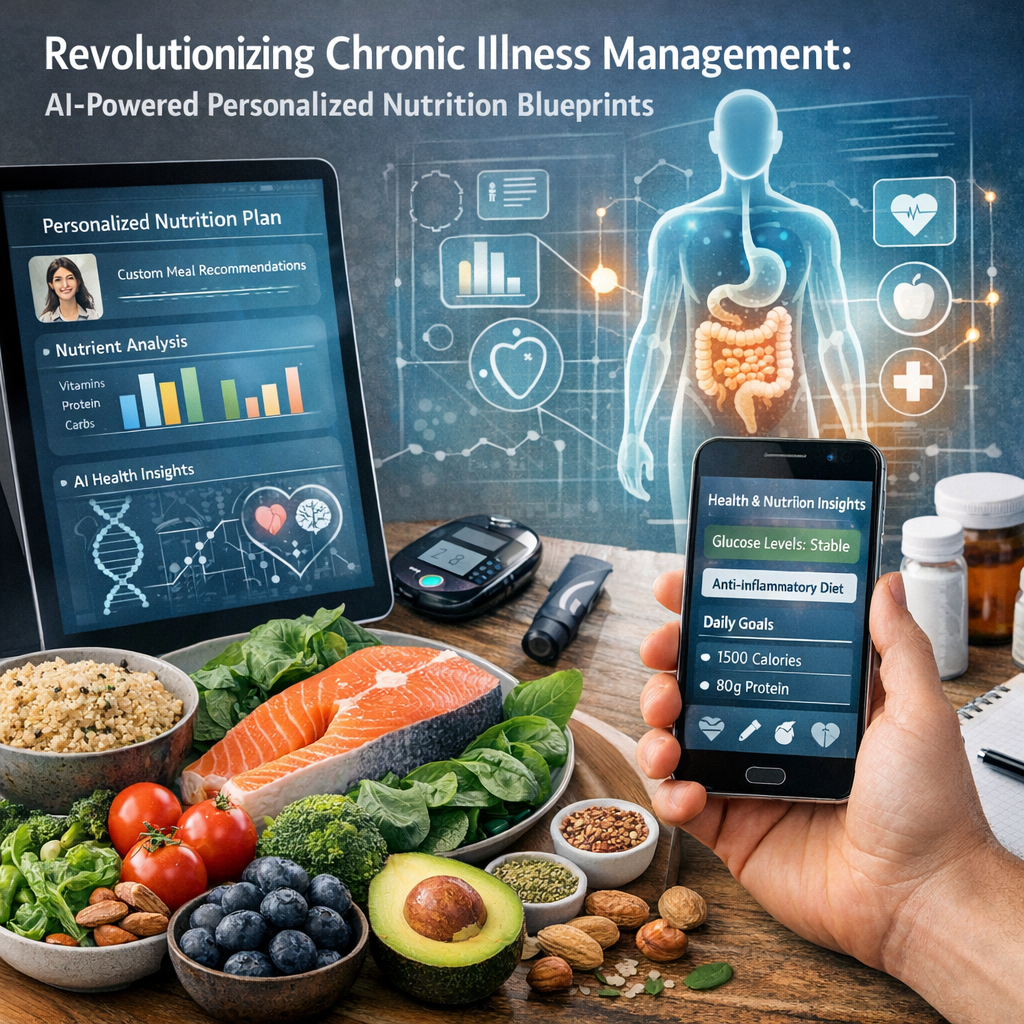
Beyond the realm of clinical studies, machine learning and AI technologies are becoming pivotal in designing personalized nutrition programs. By analyzing vast datasets of individual health metrics, dietary intake, and genetic propensities, AI can generate dietary recommendations tailored to optimize health outcomes. Companies are developing personalized meal planning apps that use such data-driven insights to recommend foods and supplements tailored to an individual’s specific health needs.
These studies and technological innovations reveal that designing personal nutrition operating systems is not merely theoretical but on the cusp of becoming a mainstream solution. It supports the view that leveraging food as a bioalgorithm can transform chronic symptom management into a more personalized, efficient, and sustainable practice.
Conclusion
The journey toward utilizing food as an algorithm for chronic symptom management is an innovative blend of tradition and technology. With growing evidence from scientific studies and advancements in AI-driven personalized nutrition, we stand at a unique crossroads where natural, individualized dietary interventions could revolutionize how chronic symptoms are managed. These personalized systems offer a path toward improved health outcomes by focusing on the individual rather than applying generic solutions.
Adopting this personalized approach encourages a fundamental shift in mindset, emphasizing prevention through holistic wellness rather than treating ailments as they arise. By integrating the power of food into personalized health algorithms, we can pave the way for a future where chronic symptoms are not just managed but actively diminished, leading to enhanced quality of life and well-being for countless individuals. As this approach becomes more widespread, it holds the promise to transform not just personal health, but the healthcare landscape as a whole.
Concise Summary
Advancements in personalized nutrition are set to transform chronic symptom management by treating “food as an algorithm.” This approach is based on individual genetic, lifestyle, and environmental factors, offering tailored dietary solutions using natural cures, like turmeric and ginger, bolstered by AI technologies. It’s a fusion of traditional wisdom and scientific advances, with studies underscoring its potential for managing conditions like diabetes and mental health issues such as anxiety and depression. As these personalized systems gain traction, they promise to enhance health outcomes beyond conventional methods.

Dominic E. is a passionate filmmaker navigating the exciting intersection of art and science. By day, he delves into the complexities of the human body as a full-time medical writer, meticulously translating intricate medical concepts into accessible and engaging narratives. By night, he explores the boundless realm of cinematic storytelling, crafting narratives that evoke emotion and challenge perspectives.
Film Student and Full-time Medical Writer for ContentVendor.com