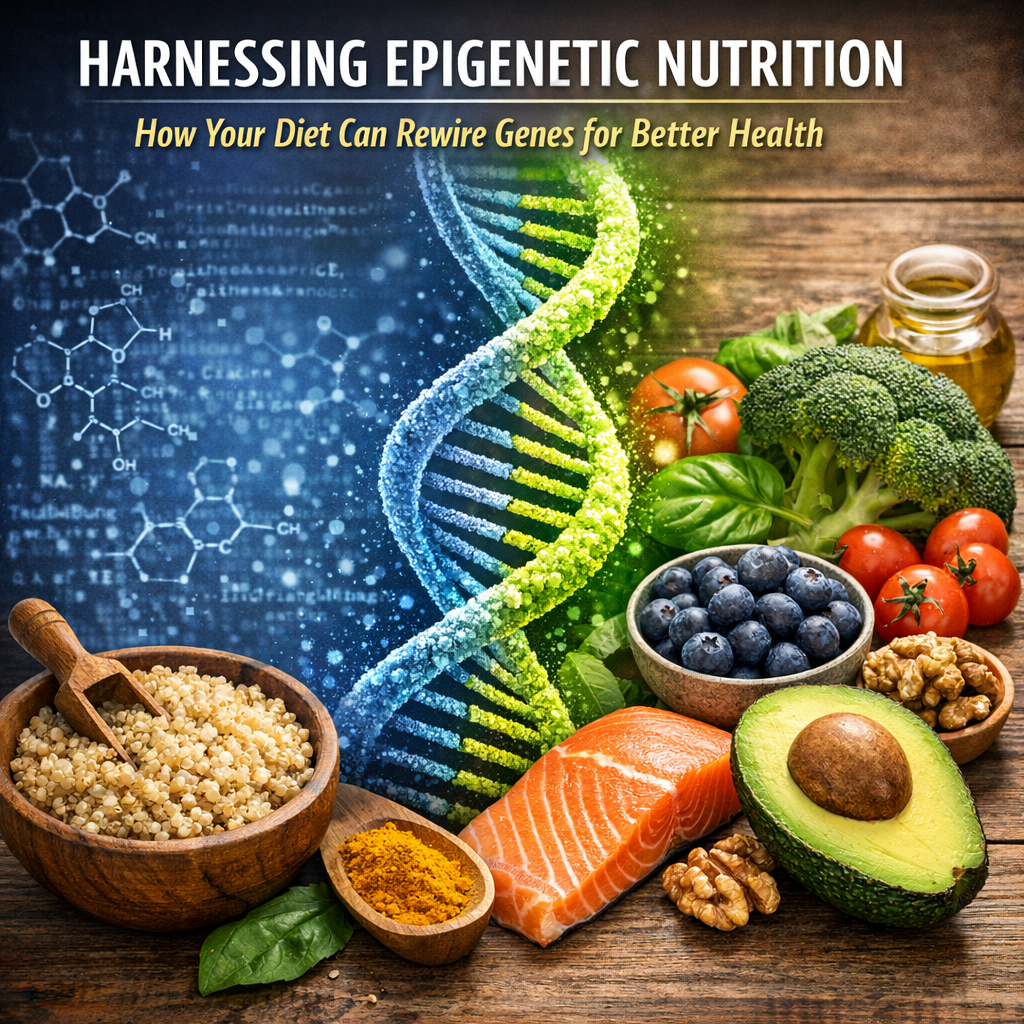
Harnessing Epigenetic Nutrition: How Your Diet Can Rewire Genes for Better Health
Introduction
Epigenetics, a rapidly evolving field of research, has transformed our understanding of how lifestyle factors like diet can influence our genes. At the core of this science is the concept that while our DNA sequence remains unchanged, certain chemical modifications can turn genes on or off, impacting health and disease outcomes. This process is influenced significantly by our dietary habits, in a branch of study known as epigenetic nutrition.
In recent years, scientists have discovered that specific nutrients and bioactive compounds in food can interact with our epigenome—the record of chemical changes to the DNA and histone proteins. These compounds can activate or silence specific genes, effectively “rewiring” them without altering the underlying genetic code. This paradigm shift in understanding emphasizes that our dietary choices can have a profound impact on our health, extending beyond merely fulfilling caloric needs.
Epigenetic changes hold the key to understanding complex conditions such as aging, cancer, cardiovascular diseases, and metabolic disorders. Compounds like sulforaphane, found in cruciferous vegetables, resveratrol in red wine, and curcumin in turmeric are known to mediate positive epigenetic modifications. This highlights a fascinating aspect of human biology: the potential to influence our genetic destiny through conscious dietary choices.
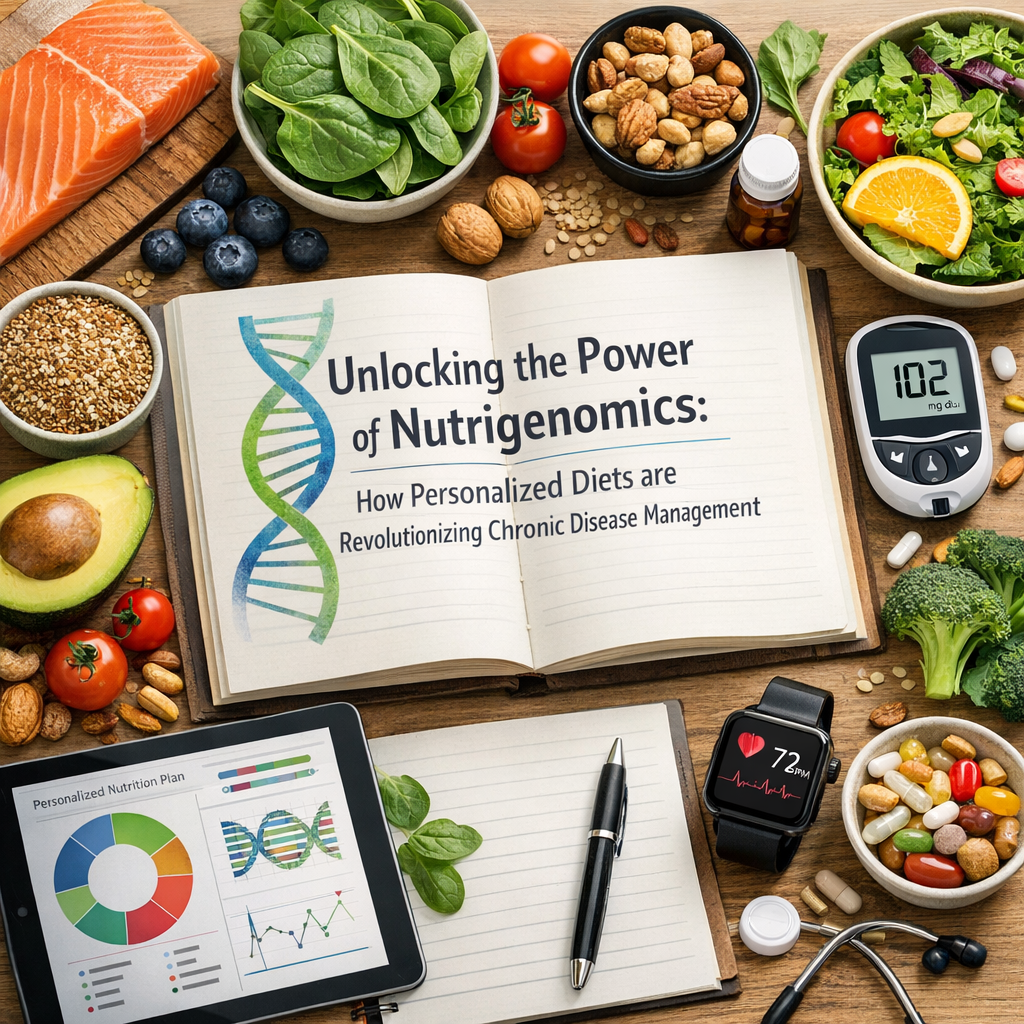
However, epigenetics does not exist in isolation. It’s a concert of diet, environment, and genetic predispositions that together orchestrate health outcomes. What makes epigenetic nutrition profoundly interesting is its potential for personalized medicine—crafting individual dietary recommendations to mitigate genetic risk factors. This personal approach not only promotes optimal health but also helps in delaying or preventing the onset of disease.
As consumers become more health-conscious, understanding the role diet plays in gene expression and health optimization becomes crucial. Recognizing the interplay between genes and nutrition empowers individuals to take charge of their health through informed dietary choices. By delving deeper into the science of epigenetic nutrition, we unlock the potential to enhance well-being and longevity. Here’s an exploration into how specific dietary choices directly influence gene expression for better health outcomes.
Features
Epigenetic studies have shown that nutrition plays a pivotal role in modifying genetic expression. One such study conducted by the European Nutrigenomics Organisation explored the effects of dietary polyphenols—natural compounds found in plants—on gene expression. Polyphenols, including flavonoids, have been found to influence the expression of genes involved in inflammation and oxidative stress, which are critical in the development of chronic diseases. The study concluded that polyphenols could have an inhibitory effect on the production of pro-inflammatory cytokines, thereby providing a protective effect against inflammatory-related conditions.
Another compelling study published in the journal “Nature Reviews Genetics” detailed how compounds such as folate and vitamin B12 are vital co-factors in the methylation process. Methylation is a fundamental epigenetic mechanism where a methyl group is added to DNA, affecting gene expression. Adequate levels of these nutrients were shown to prevent inappropriate gene silencing, which can lead to tumor growth and other genetic abnormalities.
Moreover, research highlighted in “The American Journal of Clinical Nutrition” emphasized the impact of maternal diet on the epigenome of offspring. The study suggested that a diet high in carbohydrates during pregnancy could alter the fetal epigenome in ways that predispose children to obesity and metabolic syndrome later in life. This underscores the significance of maternal nutrition, not just for immediate well-being but for future generational health.
Resveratrol, a compound found in red grapes and berries, has shown promise in promoting longevity and reducing the risk of diseases like cancer. A study in “Science” illustrated how resveratrol activates the sirtuin family of proteins, which play a strategic role in cellular processes like aging and inflammation. By modulating the expression of these critical genes, resveratrol exerts a protective effect, paving the way for dietary interventions in genetic regulation.
These studies collectively advocate the profound influence that specific nutrients can have on our genetic expression and health. The potential of epigenetic nutrition underscores the importance of dietary patterns not only as a means of sustenance but as a proactive approach to health management.
Conclusion
In the fascinating frontier of epigenetic nutrition, it becomes evident that the saying “you are what you eat” holds true at a genetic level. While our genetic framework provides the blueprint for physiological function, diet serves as a powerful tool capable of modulating this blueprint to either predispose one towards health or disease. As the research evolves, the integration of epigenetics into nutrition provides unprecedented opportunities for preventive health strategies and personalized medicine.
By making informed dietary choices enriched with bioactive nutrients, it is possible to harness the power of epigenetic modifications to bolster health and mitigate disease risks. This approach not only supports the notion of food as medicine but also encourages a mindful lifestyle that considers the long-term genetic influence of our culinary habits. Embracing epigenetic nutrition today paves the way for a healthier tomorrow, where our diet plays a harmonizing role in our interaction with the genetic code we inherit.
References
– [European Nutrigenomics Organisation](https://www.nugo.org)
– [Nature Reviews Genetics](https://www.nature.com/nrg/)
– [The American Journal of Clinical Nutrition](https://academic.oup.com/ajcn)
– [Science](https://www.sciencemag.org)
Concise Summary: Epigenetic nutrition explores how dietary choices impact gene expression without altering the DNA sequence. Through bioactive nutrients, diet influences epigenetic changes, offering potential for personalized health strategies. Compounds like sulforaphane, resveratrol, and curcumin exemplify this, influencing conditions such as aging, cancer, and cardiovascular health. Understanding how nutrition interacts with genes empowers individuals to manage health proactively. This frontier in nutrition medicine promotes dietary patterns as preventive health measures, capitalizing on epigenetic modifications to enhance well-being and longevity.

Dominic E. is a passionate filmmaker navigating the exciting intersection of art and science. By day, he delves into the complexities of the human body as a full-time medical writer, meticulously translating intricate medical concepts into accessible and engaging narratives. By night, he explores the boundless realm of cinematic storytelling, crafting narratives that evoke emotion and challenge perspectives.
Film Student and Full-time Medical Writer for ContentVendor.com