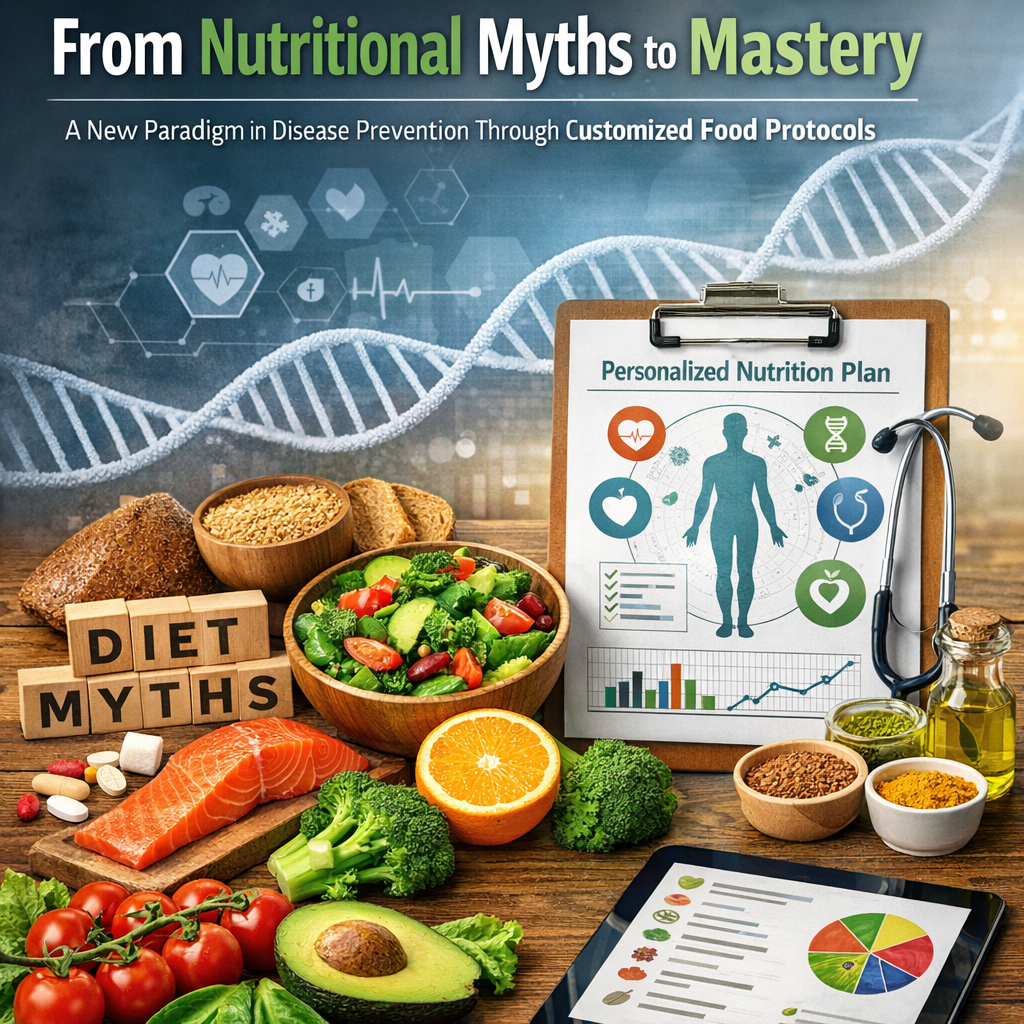
From Nutritional Myths to Mastery: A New Paradigm in Disease Prevention Through Customized Food Protocols
Introduction
In the age of information overload, distinguishing nutritional myths from facts can be challenging. Many people find themselves inundated with conflicting advice, from fad diets to misleading information that obscures the truth about food and disease prevention. As chronic diseases surge, the need for a nuanced understanding of nutrition is paramount. Enter a new paradigm: customized food protocols based on individual biological and genetic profiles, leveraging natural cures and personalized nutrition to promote optimal health.
In this evolving landscape, the focus shifts from a one-size-fits-all dietary approach to a more targeted strategy that considers individual differences. Personalized nutrition aims to minimize disease risk by tailoring dietary interventions to each person’s unique genetic makeup, microbiome composition, lifestyle, and health status. This model distinguishes itself by integrating the wisdom of traditional natural remedies with scientific research, ushering in a new era of prevention and wellness.
The notion that a single diet can cater to everyone is being replaced by research exploring how specific foods and nutrients interact with our bodies on a molecular level. Emerging studies reveal that personalized dietary protocols can manage and prevent conditions like diabetes, cardiovascular diseases, and autoimmune disorders. By leveraging data analytics, advancements in genomics, and understanding of phytonutrients, the potential of food as medicine is being fully realized.
Understanding which foods support or hinder health requires unraveling entrenched nutrition myths. These misconceptions often arise from outdated research, commercial interests, or misinterpretations. By grounding dietary recommendations in evidence-based practices, individuals can make informed choices that enhance wellbeing and prevent disease onset. This approach signifies a transformative way of adopting lifelong sustainable practices that align with biological processes.
Features
Numerous studies underscore the potential of personalized nutrition. A groundbreaking study published in “Cell” demonstrated significant variability in postprandial blood glucose responses among individuals to identical meals, highlighting the need for individualized dietary plans for effective blood sugar management. [Cell Study](https://www.cell.com/cell/fulltext/S0092-8674(15)01481-6)
The National Institutes of Health research utilized nutrigenomics to show how personalized nutrition can modulate genetic expression and reduce chronic disease risk. By examining nutrient-gene interactions, diets tailored to an individual’s genetic makeup improved metabolic outcomes and reduced inflammation. [NIH Study on Nutrigenomics](https://www.ncbi.nlm.nih.gov/pmc/articles/PMC2858344/)
The European Food4Me project found that personalized nutrition advice led to greater improvements in dietary habits compared to generic guidelines. Participants with tailored interventions improved their diet quality, weight management, and biomarkers. [Food4Me Project](https://www.ncbi.nlm.nih.gov/pmc/articles/PMC4728601/)
Additionally, integrating herbal and homeopathic treatments with personalized food protocols has shown potential in disease prevention. Turmeric, renowned for its anti-inflammatory properties, along with herbs like ginger and garlic, have demonstrated efficacy in reducing inflammation and oxidative stress. These remedies combined with personalized dietary planning reinforce the body’s natural defenses.
The recognition that genetic background, lifestyle, and environment influence nutritional needs has transformed dietary protocols. Customized food plans consider modern healthcare research and traditional herbal treatments, promoting a comprehensive strategy for wellness.
Conclusion
The transition from nutritional myths to mastery represents a shift toward individualized health approaches. By combining advances in genetic research, data-driven insights, and traditional remedies, customized food protocols herald a new frontier in disease prevention. This approach provides personalized, sustainable health solutions that accommodate the interplay between diet and biology.
Empowering individuals to craft their health trajectory through bespoke nutrition is not merely a trend—it is the future of preventive medicine. As more evidence supports personalized diets and natural therapies, reducing the global chronic disease burden becomes attainable. This paradigm shift embraces the synergy between scientific insights and traditions, setting the foundation for a healthier future.
Concise Summary
In an era of information overload, the need for nuanced nutrition understanding has become crucial as chronic diseases rise. A new paradigm in disease prevention through customized food protocols emerges, focusing on individualized approaches based on genetic and biological profiles. This strategy integrates natural remedies with scientific research to manage and prevent diseases. Personalized nutrition, through targeted dietary interventions, promises improved health outcomes by considering unique genetic and lifestyle factors. Studies affirm this approach’s efficacy over traditional guidelines, signaling a shift toward data-driven, personalized health solutions that align with genetic and biological interactions.

Dominic E. is a passionate filmmaker navigating the exciting intersection of art and science. By day, he delves into the complexities of the human body as a full-time medical writer, meticulously translating intricate medical concepts into accessible and engaging narratives. By night, he explores the boundless realm of cinematic storytelling, crafting narratives that evoke emotion and challenge perspectives.
Film Student and Full-time Medical Writer for ContentVendor.com