Beyond the Plate: Designing Nutritional Algorithms for Personalized Chronic Care and Metabolic Mastery
Introduction
In recent years, the intersection of technology and nutrition has led to revolutionary advancements in personalized healthcare. As chronic diseases and metabolic disorders continue to rise globally, the need for tailored nutritional strategies is more critical than ever. One approach gaining traction is the development of nutritional algorithms tailored to individual health profiles.
The concept of nutritional algorithms is rooted in the idea that a one-size-fits-all approach to dieting is outdated and often ineffective. Each person’s genetic makeup, lifestyle, and existing health conditions require a bespoke nutritional plan to optimize health outcomes. This personalized approach is especially relevant for managing chronic conditions such as diabetes, hypertension, and obesity, which can be profoundly influenced by diet.
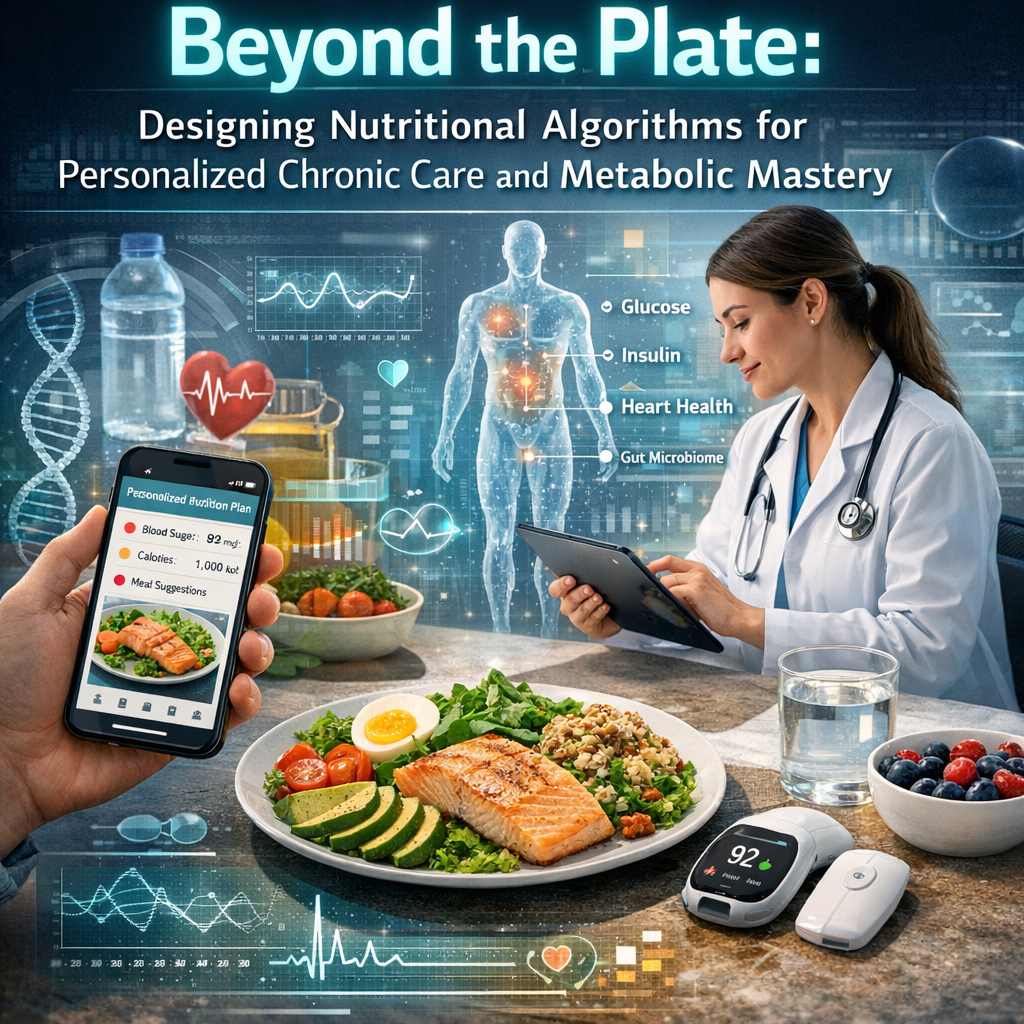
With the advent of advanced data analytics and machine learning, it’s now possible to process vast amounts of data to configure personalized dietary recommendations. These recommendations consider a range of factors, including genetic markers, blood glucose levels, and gut microbiota composition. The integration of such comprehensive data makes it possible for healthcare providers to devise more effective treatment plans geared towards individual metabolic needs.
Furthermore, technology extends beyond mere recommendations. Wearable devices and health apps can monitor real-time health metrics, offering instant feedback and adjustment options to both patients and healthcare providers. This continuous loop of data collection and analysis not only ensures the dietary plan evolves with the patient’s needs but also encourages sustained engagement by showing tangible outcomes.
Ultimately, the goal of designing nutritional algorithms is to empower individuals with greater control over their health, mitigating risks associated with chronic diseases and enhancing overall quality of life. As more research unfolds in this burgeoning field, the potential to make these personalized strategies accessible to a broader audience becomes increasingly attainable.
Features
Several professional and medical studies underscore the efficacy and promise of personalized nutritional strategies for chronic care and metabolic mastery. An influential study published in [*Nature*](https://www.nature.com/articles/nature15748) explored how varied responses to similar diets among individuals can be linked to personal metabolic pathways, rather than generic dietary advice. Researchers concluded that personalized dietary interventions significantly improved metabolic health markers compared to standardized dietary guidelines.
Another groundbreaking study by researchers from [King’s College London and Massachusetts General Hospital](https://www.cell.com/cell-metabolism/fulltext/S1550-4131(20)30616-4) utilized machine learning to predict blood sugar responses to different foods based on individual data inputs such as insulin levels, age, and gut microbiome composition. They demonstrated improved health outcomes for individuals who followed their personalized dietary recommendations compared to those on conventional diets.
Moreover, a study in the [*Journal of Nutrition*](https://academic.oup.com/jn/article/150/4/698/5741020) discussed the implications and benefits of implementing algorithm-based nutritional interventions in patients with metabolic syndrome. Participants who adhered to personalized dietary advice showed marked improvement in insulin sensitivity and reduced inflammation markers, key contributors to metabolic syndrome.
These studies not only highlight significant advancements in personalizing nutrition for chronic care but also emphasize the importance of integrating scientific research with innovative technological tools to promote better health outcomes. As our understanding of nutrition and metabolic processes evolves, the continuous refinement of these algorithms can lead to more precise and individualized dietary strategies tailored to unique health requirements.
Conclusion
The advent of nutritional algorithms represents a significant shift in chronic care management, offering a promising avenue for those seeking comprehensive, personalized health solutions. By harnessing the power of technology and data-driven insights, we are on the brink of transforming how we approach nutrition and metabolic health. The tailored interventions made possible through these algorithms provide the nuanced treatments needed to combat chronic conditions effectively.
As we continue to explore the potential of nutritional algorithms within healthcare, the emphasis will remain on ensuring these technological advances are accessible and understandable for patients worldwide. Establishing a collaborative environment among researchers, healthcare providers, and tech developers is essential for fostering the innovation required to advance personalized care. Through these efforts, we can empower individuals with the knowledge and tools needed to lead healthier, more fulfilled lives—moving beyond the plate towards a future where optimal health is within everyone’s reach.
Concise Summary:
The convergence of technology and nutrition is transforming personalized healthcare, especially for chronic diseases like diabetes and obesity. Nutritional algorithms consider individual genetic, lifestyle, and health data to tailor diets efficiently. Studies show improved outcomes with these algorithms over standard diets. Wearable tech and health apps enhance these personalized strategies by offering real-time health monitoring. Emerging research highlights how personalized dietary interventions significantly improve health markers compared to generic advice. As this field grows, making these solutions accessible worldwide remains crucial for empowering individuals toward better health.

Dominic E. is a passionate filmmaker navigating the exciting intersection of art and science. By day, he delves into the complexities of the human body as a full-time medical writer, meticulously translating intricate medical concepts into accessible and engaging narratives. By night, he explores the boundless realm of cinematic storytelling, crafting narratives that evoke emotion and challenge perspectives.
Film Student and Full-time Medical Writer for ContentVendor.com