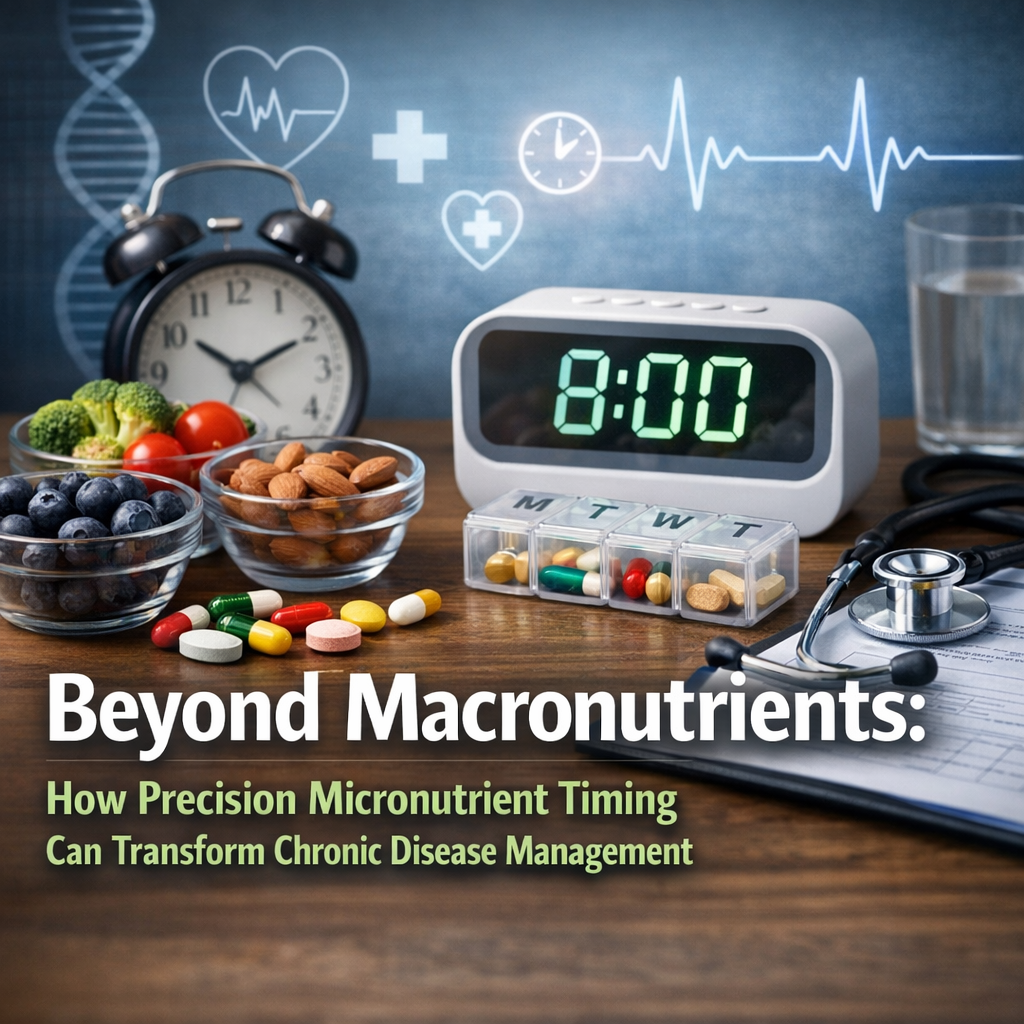
Beyond Macronutrients: How Precision Micronutrient Timing Can Transform Chronic Disease Management
Introduction
Chronic diseases, such as diabetes, cardiovascular disorders, and autoimmune conditions, are significant causes of morbidity globally. While dietary strategies focused on managing macronutrients—carbohydrates, proteins, and fats—are established in managing these conditions, the impact of micronutrient timing is gaining attention as potentially revolutionary. Vitamins and minerals are crucial for managing metabolic processes, boosting immune function, and ensuring general health. Current research indicates that the timing of micronutrient intake can play a pivotal role in maximizing their benefits, especially for individuals managing chronic diseases.
Micronutrients are essential for enzymatic reactions vital to metabolic pathways. For example, vitamin D affects calcium absorption and can regulate immune responses, while B vitamins are necessary for energy production and red blood cell formation. Important trace elements like magnesium, selenium, and zinc support everything from nerve function to hormone production and antioxidant defense mechanisms. Balancing these nutrients may be critical to preventing and managing diseases. However, recent studies suggest that the timing of these nutrients’ consumption can influence their absorption, effectiveness, and impact on chronic disease symptoms.
In an era focused on personalized healthcare, the precision timing of micronutrient administration might be a crucial factor for managing chronic conditions. Imagine optimizing your antioxidant intake in the morning to combat oxidative stress during the day or consuming magnesium at night to improve sleep quality and muscle repair. Such strategic timing can optimize nutrient utilization, reduce disease risk factors, and improve the quality of life for those with chronic conditions. As we explore micronutrient timing, it becomes apparent that this strategy could transform chronic disease management, enhancing the understanding that nutrition goes beyond mere caloric intake.
Features
Precision in micronutrient timing is being actively studied. A study published in the [*Journal of Clinical Endocrinology & Metabolism*](https://academic.oup.com/jcem) examined vitamin D supplementation timing on glucose metabolism in individuals with prediabetes. The study found improved insulin sensitivity in participants taking vitamin D supplements in the morning compared to those taking them in the evening. This highlights the potential importance of timing in micronutrient supplementation.
Another study published in the [*European Journal of Clinical Nutrition*](https://www.nature.com/ejcn) investigated the effects of magnesium supplementation timing on sleep patterns. Participants consuming magnesium at night reported better sleep quality and longer sleep duration than those who took it in the morning. This finding suggests that timing might influence the sedative effects of magnesium, contributing to better sleep and recovery, which are crucial for individuals with chronic conditions like fibromyalgia or chronic fatigue syndrome.
A study focusing on antioxidant intake timing, published in the [*American Journal of Clinical Nutrition*](https://academic.oup.com/ajcn), found that consuming antioxidants like vitamin C and E in the morning can alleviate oxidative stress throughout the day. This targeted intake can benefit individuals with cardiovascular diseases, as oxidative stress is involved in the pathogenesis of these conditions.
Research by the [*Journal of the American College of Nutrition*](http://www.jacn.org) assessed the relationship between evening zinc supplementation and immune function. Findings indicated that zinc taken in the evening might enhance nighttime immune activity, potentially benefiting individuals prone to infections or immune-related disorders.
These studies suggest a notable evolution in dietary practices, proposing that not only “what” but “when” we consume micronutrients could significantly influence health outcomes. By reconsidering micronutrient timing, individuals managing chronic diseases might achieve notable improvements in their condition’s management and overall well-being.
Conclusion
As nutritional science evolves, precision micronutrient timing appears as a promising tool in managing chronic diseases. It suggests a shift from generic dietary interventions to more nuanced, individualized practices that factor in nutrient type and optimal timing. By understanding the body’s unique biological rhythms and metabolic needs, healthcare practitioners and individuals can unlock the full potential of vitamins and minerals, moving beyond macronutrient management towards improved health outcomes.
Implementing precision micronutrient timing in daily routines requires thorough consultation with healthcare professionals to ensure personalized and safe practices. As research continues, embracing nutritional science sophistication might hold the key to a healthier future, offering new hope to those facing chronic diseases. This paradigm shift highlights the dynamic interplay between diet and health, reinforcing the notion that taking charge of one’s health often lies in seemingly small details, such as the clock on the wall.
Concise Summary:
Precision micronutrient timing is emerging as a transformative approach in chronic disease management. Studies highlight that the timing of micronutrient intake, like vitamin D in the morning for improved insulin sensitivity, magnesium at night for better sleep, and antioxidants in the morning to reduce oxidative stress, can optimize benefits for individuals with chronic conditions. This paradigm shift from generic dietary practices to personalized micronutrient timing could enhance health outcomes, underscoring the intricate relationship between diet and health. Consulting with healthcare professionals is vital for implementing safe and personalized timing strategies, potentially revolutionizing chronic disease management.

Dominic E. is a passionate filmmaker navigating the exciting intersection of art and science. By day, he delves into the complexities of the human body as a full-time medical writer, meticulously translating intricate medical concepts into accessible and engaging narratives. By night, he explores the boundless realm of cinematic storytelling, crafting narratives that evoke emotion and challenge perspectives.
Film Student and Full-time Medical Writer for ContentVendor.com