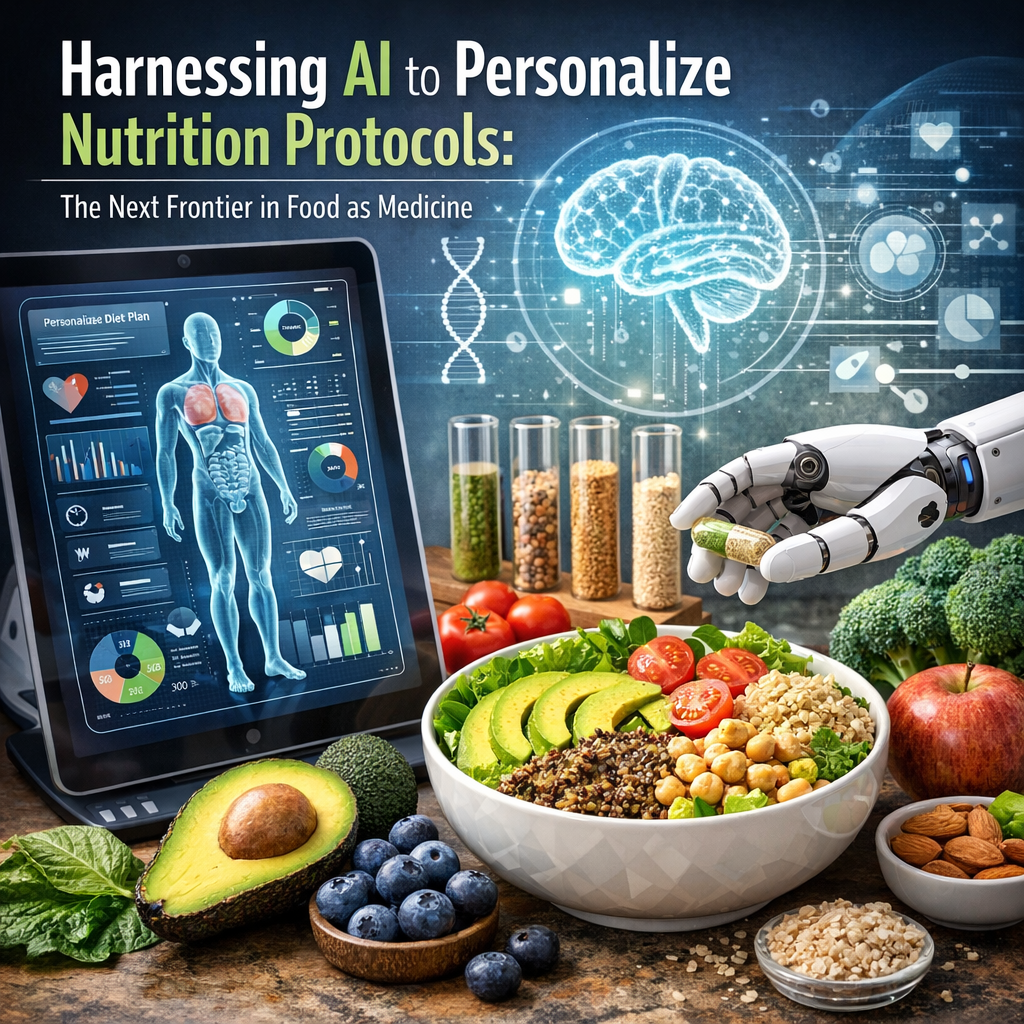
Harnessing AI to Personalize Nutrition Protocols: The Next Frontier in Food as Medicine
Introduction
In recent years, the concept of food as medicine has gained significant traction as individuals seek out natural treatments and homeopathic remedies to support their health. This holistic approach embraces the idea that the right foods can act as preventive medicine, enhance physical well-being, and address specific health concerns. With the integration of Artificial Intelligence (AI) technology, the potential to tailor nutrition protocols to individual needs is more promising than ever. Welcome to the forefront of personalized nutrition, where AI stands as the beacon guiding us towards health optimization through tailored dietary plans.
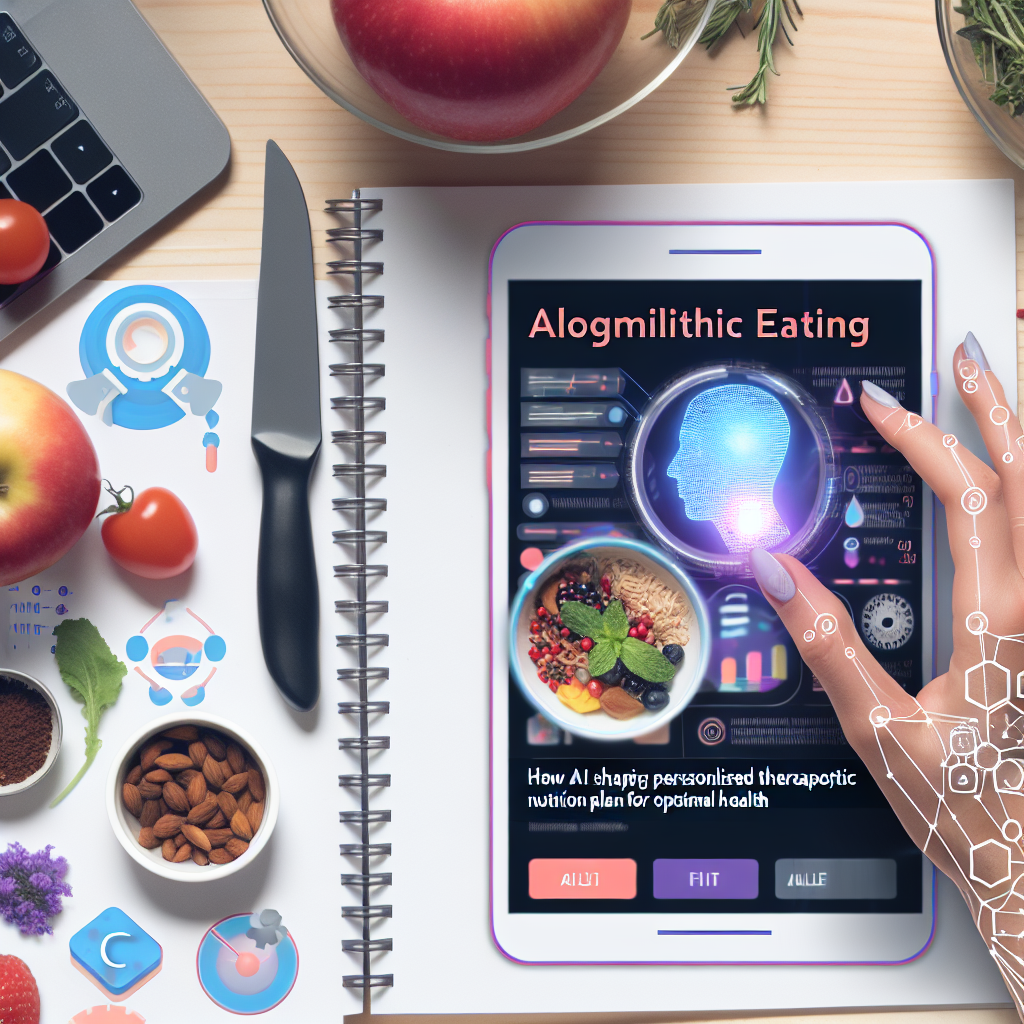
AI’s potential in the realm of personalized nutrition is profound. While traditional dietary suggestions often follow a one-size-fits-all model, AI enables the formulation of bespoke dietary protocols, precisely aligned with an individual’s health status, genetic make-up, lifestyle, and personal preferences. This capability transforms how we perceive and realize the benefits of dietary choices in supporting health and treating disease.
At the core of this innovative approach is AI’s ability to process vast amounts of data rapidly and accurately. By analyzing personal health data, consumer behavior, and the evolving understanding of nutritional science, AI can help identify which foods best serve an individual’s health objectives. Factors such as metabolic rate, genetic predispositions, and even microbiome composition can be considered, thus creating nutrition plans that are truly customized for each person.
As AI continues to evolve, its role in advancing personalized nutrition protocols is being closely observed and embraced by healthcare professionals and nutrition experts. The automation and data accuracy that AI provides do not only enhance the precision of dietary recommendations but also empower individuals with actionable insights. By merging AI technology with the principles of holistic nutrition, the vision of food as a scientifically validated therapy becomes clearer, paving the way for a future where dietary strategies are intricately linked with our unique biological profiles.
For a more comprehensive understanding, researchers are digging deeper into how AI can further refine and enhance the customization of nutrition plans. By continuously updating AI algorithms with the latest scientific research, nutritional scientists and tech developers are working on algorithms that could eventually predict long-term health outcomes based on dietary changes, thus offering proactive solutions that go beyond current dietary adjustments.
Features
The potential for AI to revolutionize personalized nutrition is supported by various studies and professional insights. A landmark study published in Nature Medicine explored the use of machine learning algorithms to predict individual blood glucose responses to different foods with high accuracy. The study demonstrated that personalized nutrition could effectively manage and even prevent conditions like diabetes by crafting diet plans based on individual responses rather than generic dietary guidelines.
Furthermore, research has shown that AI can process genomic data to create intricate health and nutrition models. These models predict individuals’ responses to dietary intake by identifying genetic markers associated with different metabolic responses. For example, certain genetic variations can alter how individuals metabolize caffeine or glucose, which means nutrition plans incorporating these insights can more effectively mitigate health risks, as detailed in a PubMed Central Article.
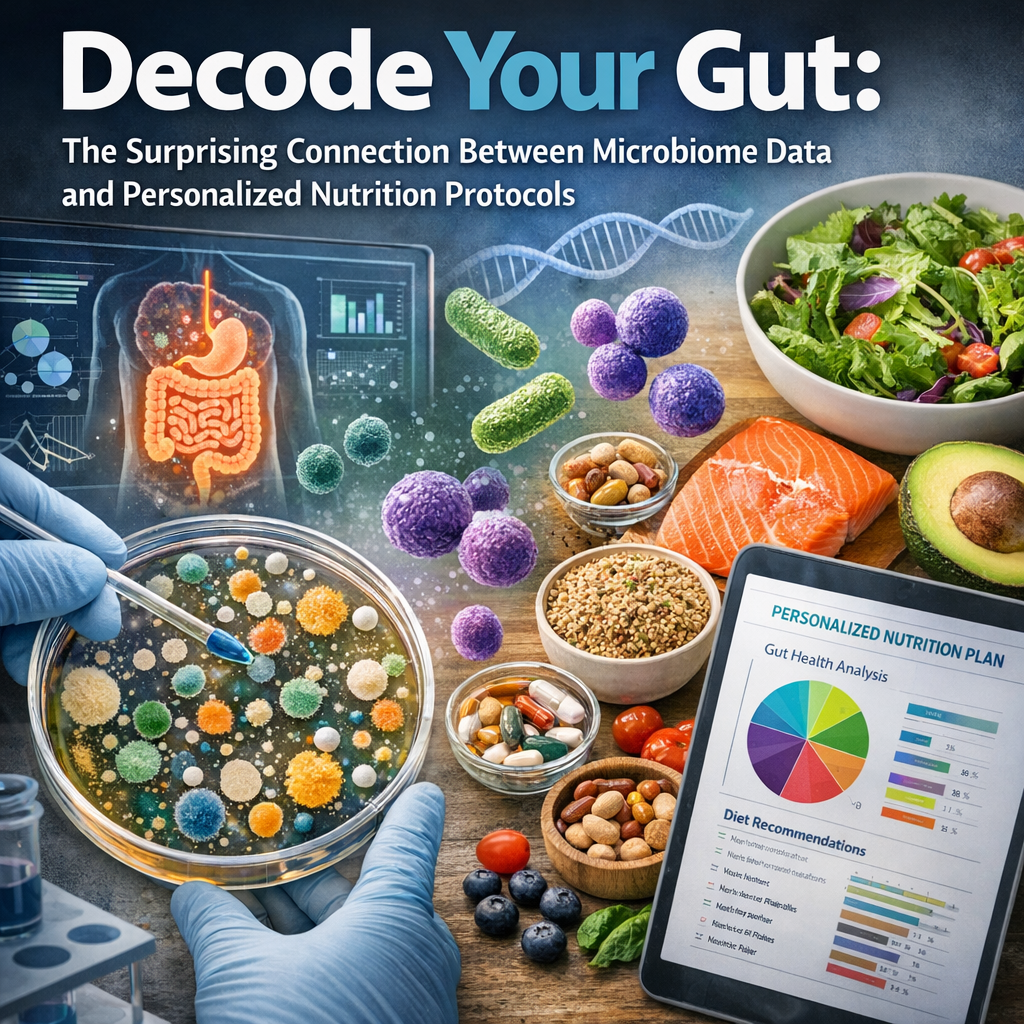
Another significant advancement in AI-driven nutrition comes from gut microbiome studies. AI algorithms can analyze the diversity and abundance of gut microbiota to provide customized nutrition recommendations that optimize gut health, a crucial component of overall well-being. This approach is instrumental in addressing various health conditions, from inflammatory diseases to mental health issues, thereby further cementing the concept of “food as medicine,” as discussed in The American Journal of Clinical Nutrition.
Healthcare providers and nutritionists are increasingly adopting AI tools to complement their expertise. For instance, AI-driven platforms like Nutrigenomix offer personalized dietary recommendations based on a person’s genetic profile. This collaboration between AI technology and healthcare practices reflects a significant shift towards more personalized and effective health interventions.
Conclusion
The integration of AI into personalized nutrition is not merely a trend; it is an evolution that promises to redefine how we perceive food as medicine. By tapping into the power of AI, we can move beyond mere dietary advice to actionable, personalized protocols that align with our unique genetic makeup and health requirements. This transformative approach holds tremendous potential in preventing diseases, optimizing health, and promoting longevity through scientifically backed and highly personalized nutritional strategies.
As technology advances, we stand at the cusp of a new era in holistic health where AI empowers individuals with knowledge and choices tailored to their personal health landscape. These advancements will likely lead to a paradigm shift in healthcare from reactive treatment to proactive management and prevention, ultimately elevating the quality of life for many. The challenge and opportunity now lie in expanding access and adoption of these AI-driven solutions, ensuring that the benefits of personalized nutrition reach every corner of the globe.
Concise Summary:
As the concept of “food as medicine” gains traction, AI is transforming personalized nutrition by tailoring dietary protocols to individual needs. By analyzing vast health data, AI enables precise dietary plans aligned with genetic makeup, health status, and lifestyle. Landmark studies, such as those in Nature Medicine, showcase AI’s potential in managing health conditions like diabetes through personalized diets. AI’s ability to process genomic and microbiome data enriches nutrition plans, addressing various health concerns. Growing adoption by healthcare professionals signals a shift towards AI-driven, preventive health strategies, marking a significant evolution in understanding food as a vital component of healthcare.

Dominic E. is a passionate filmmaker navigating the exciting intersection of art and science. By day, he delves into the complexities of the human body as a full-time medical writer, meticulously translating intricate medical concepts into accessible and engaging narratives. By night, he explores the boundless realm of cinematic storytelling, crafting narratives that evoke emotion and challenge perspectives.
Film Student and Full-time Medical Writer for ContentVendor.com