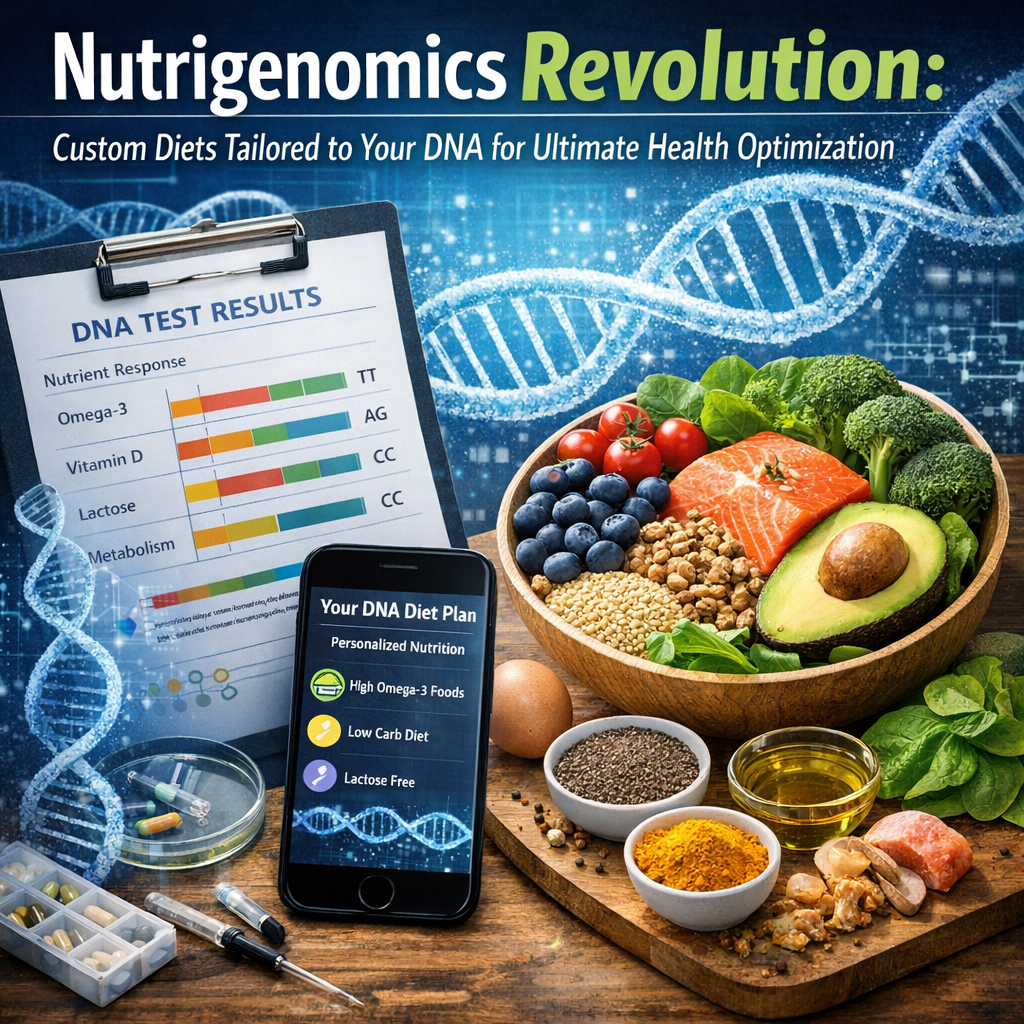
Nutrigenomics Revolution: Custom Diets Tailored to Your DNA for Ultimate Health Optimization
Topic Introduction
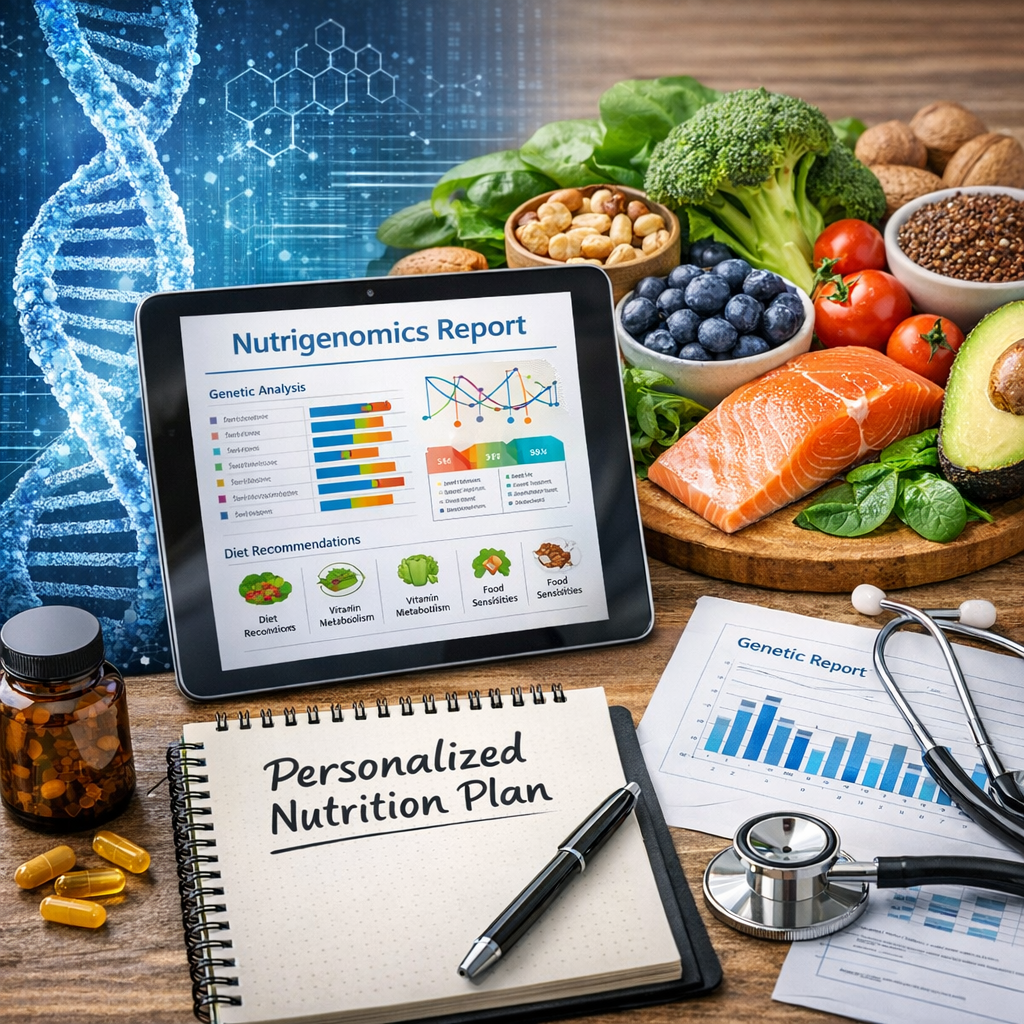
In the rapidly evolving field of precision nutrition, nutrigenomics stands at the forefront, offering a groundbreaking approach to personalized health and wellness. At its core, nutrigenomics examines the interaction between nutrients and genes, the building blocks of our genetic makeup, to optimize individual health outcomes. We live in an era where one-size-fits-all diets are becoming obsolete, replaced by bespoke dietary plans tailored according to an individual’s genetic predispositions.
The human genome comprises approximately 20,000 genes, and variations in these genes can determine how effectively individuals metabolize different nutrients. This leads to variability in dietary needs, responses, and potential health risks. Nutrigenomics harnesses this genetic information to design precise nutritional interventions. The goal is not just health improvement but the realization of full genetic potential, preventing diseases, and enhancing well-being through food and nutrition.
Interest in nutrigenomics is growing among health-conscious consumers who seek natural and effective methods to address health concerns. Such personalized dietary guidance is particularly compelling because it empowers individuals to make informed nutritional choices that suit their unique genetic profiles. Moreover, this shift aligns with a broader societal trend towards holistic and personalized medicine, where natural cures, homeopathic, and herbal treatments are increasingly sought after for their perceived efficacy and minimal side effects.
As consumer awareness and demand grow, the market for DNA-based dietary solutions is expanding, leading to a flourishing industry of genetic testing companies offering insights into individual nutritional needs. This advancement in nutrigenomics not only holds promise for optimizing health today but also reshapes the future of traditional dietary guidance and the wellness industry at large.
In this article, we delve into the revolutionary potential of nutrigenomics, exploring how understanding your DNA can lead to tailored diets for ultimate health optimization. We further examine professional and medical studies underpinning this emerging field, providing insights into how these innovations can transform our approach to food and nutrition.
Features
The genesis of nutrigenomics lies in understanding that our genetic makeup can significantly influence how we respond to various nutrients. Several pivotal studies underscore the importance and efficacy of this approach. For instance, research published in the [“American Journal of Clinical Nutrition”](https://academic.oup.com/ajcn) highlighted that individual genetic variations could predict responses to specific dietary components, such as fats and carbohydrates, influencing weight management and metabolic health.
Moreover, a study conducted by the [“British Journal of Nutrition”](https://www.cambridge.org/core/journals/british-journal-of-nutrition) found that participants who received dietary advice based on their genetic information achieved better cholesterol management and overall nutritional health compared to those who followed generic guidelines. This underscores the premise that nutrigenomics can enhance the effectiveness of dietary interventions.
In another groundbreaking study published in [“Nature Communications”](https://www.nature.com/articles/s41467-019-09829-9), researchers explored the role of nutrigenomics in developing personalized dietary plans for patients with type 2 diabetes. The study demonstrated that tailored diets, formulated using genetic data, can significantly improve blood sugar control and reduce the risk of diabetes-related complications. This highlights nutrigenomics’ potential in addressing complex, chronic conditions with precision.
As the field continues to evolve, it is anticipated that nutrigenomics will intersect with other bioinformatics approaches, paving the way for more precise, holistic health and wellness solutions. Ongoing studies aim to further illuminate the intricate relationships between genetic variations, nutrient metabolism, and disease predisposition. There is an active pursuit to decode the vast potential within our genomes, seeking answers to longstanding questions about nutritional health and disease prevention.
While the empirical evidence supporting nutrigenomics is promising, it is essential to recognize that this field is still in its infancy. There’s a need for continued research, policy development, and professional training to ensure responsible integration into mainstream healthcare. As more genetic research comes to light, the refinement of DNA-based dietary recommendations will drive the transformative impact of nutrigenomics on health optimization.
Conclusion
The nutrigenomics revolution offers a compelling vision of the future of health optimization, where personalized nutrition plays a central role in achieving optimal wellness. By aligning dietary choices with genetic profiles, individuals can tap into the power of their DNA to enhance health outcomes, prevent diseases, and harness the full potential of nutrition for a long and healthy life. While the science of nutrigenomics is nascent, its promise is undeniable. Continued research and innovation are poised to refine personalized nutrition further, offering increasingly precise and effective solutions. As we embrace this revolutionary approach, the quest for ultimate health optimization becomes not just a possibility, but an accessible reality punctuated by the profound understanding of the interplay between our genes and nutrition.
Concise Summary
Nutrigenomics is revolutionizing personalized nutrition by leveraging genetic insights to optimize individual health. By examining the interaction between genes and nutrients, nutrigenomics offers tailored dietary plans to enhance wellness and prevent diseases. Rapidly replacing generic diets, DNA-based solutions align with the trend toward holistic medicine, empowering consumers to make informed nutritional choices. Studies have demonstrated improved nutritional outcomes and disease management through gene-specific diets, particularly in weight management and chronic conditions like type 2 diabetes. While the field is burgeoning, ongoing research and professional training are pivotal in integrating nutrigenomics into mainstream healthcare.<|vq_8546|>

Dominic E. is a passionate filmmaker navigating the exciting intersection of art and science. By day, he delves into the complexities of the human body as a full-time medical writer, meticulously translating intricate medical concepts into accessible and engaging narratives. By night, he explores the boundless realm of cinematic storytelling, crafting narratives that evoke emotion and challenge perspectives.
Film Student and Full-time Medical Writer for ContentVendor.com