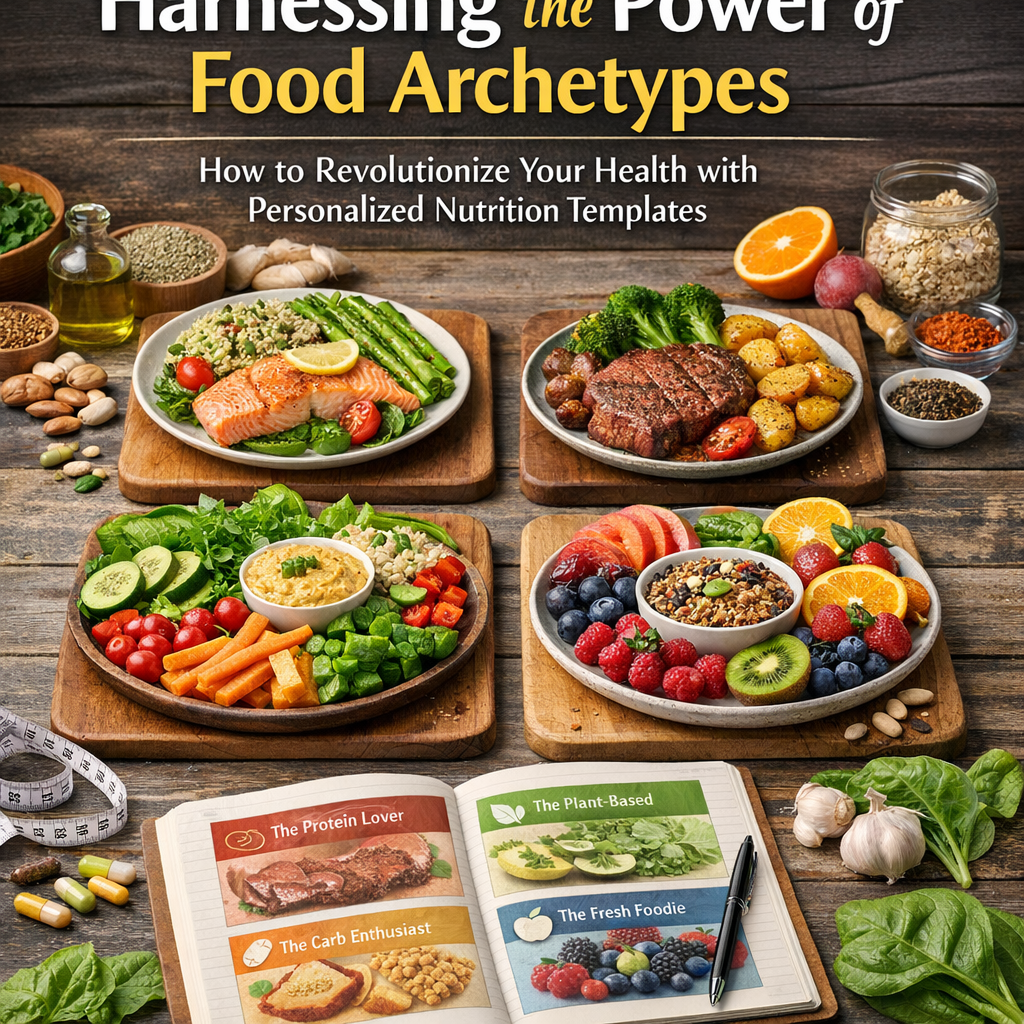
Harnessing the Power of Food Archetypes: How to Revolutionize Your Health with Personalized Nutrition Templates
Introduction
In an age where personalization is the mantra of the modern world, the food industry hasn’t been left behind. People are steadily moving away from generic diets towards personalized nutrition plans. Enter the concept of food archetypes—an innovative approach that categorizes diets into distinct themes based on historical, cultural, biological, and psychological viewpoints. Just as individuals seek customized music playlists or tailored fashion styles, food archetypes aim to fit dietary choices to one’s holistic personal identity, leading to optimal health benefits.
Food archetypes enable individuals to connect deeply with what they eat, driven by a unique blend of preferences, tolerances, and cultural backgrounds. Unlike traditional dietary guides that recommend rigid calorie counts and specific food groups, archetypes can offer a symbolic reflection of who we are and what our bodies demand. They embrace everything from ancestral eating patterns, seasonal consumption habits, and even spiritual nourishment.
This personalized nutrition method stems from the belief that everyone’s body, mind, and environment interact to form specific dietary needs. By understanding one’s archetype, it becomes easier to craft meals that align with innate bodily requirements, boosting physical energy, mental clarity, and emotional well-being.
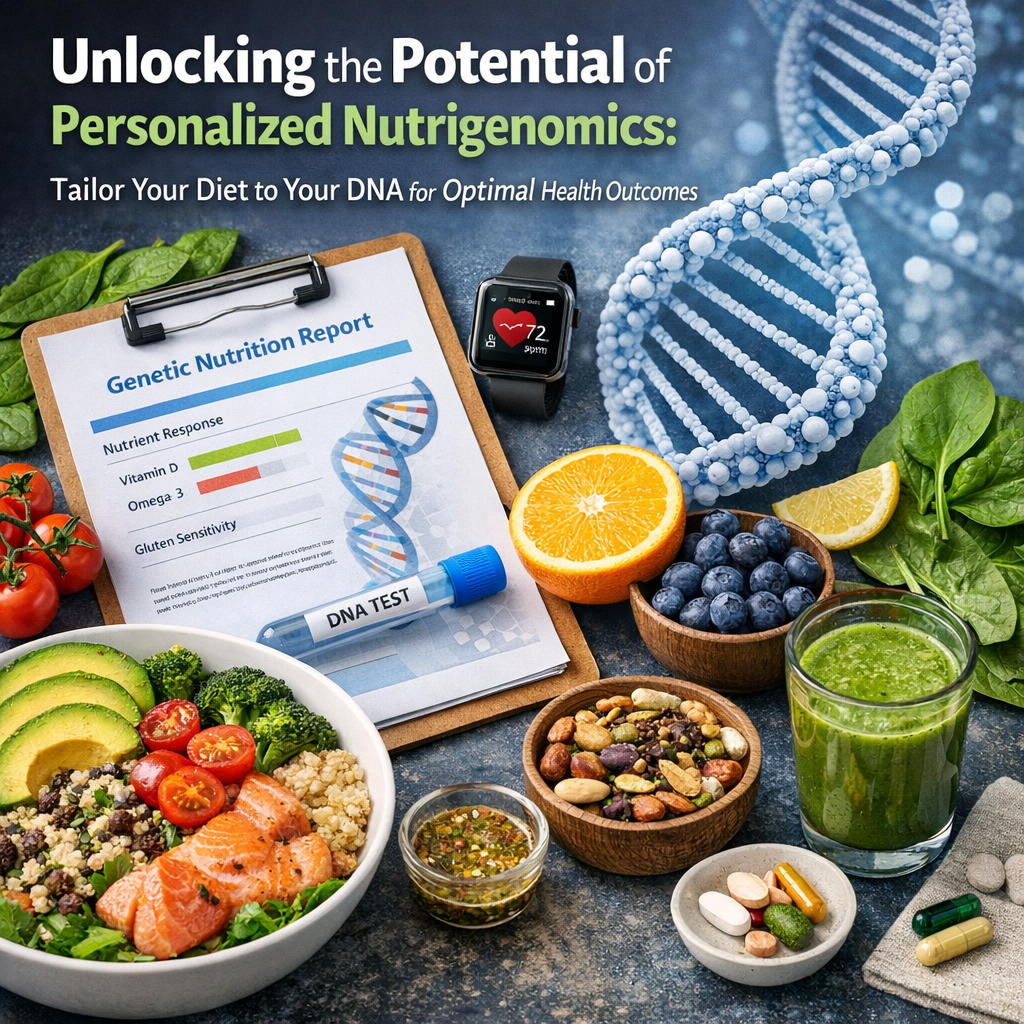
The evolution of this concept is fueled by the emerging research in nutrigenomics, the study of how genes and nutrients interact. As scientists uncover more about genetic predispositions and dietary needs, personalized dietary models become essential not just for maintaining basic health, but also for preventing chronic diseases, enhancing longevity, and promoting overall well-being.
The archetypal approach encourages consumers to explore and experiment with food in a more intuitive manner. It shuns the ‘one-size-fits-all’ formula of the past in favor of more flexible and adaptive food models, making healthy eating sustainable and enjoyable. Discovering your food archetype is like uncovering a personal code—once cracked, it can powerfully transform your approach to nutrition and elevate your health journey.
Features
Professional healthcare and medical studies are backing this personalized approach. A pivotal study published in the Journal of Personalized Medicine reviews the effectiveness of personalized dietary plans versus standardized diets. It highlights how personalized nutrition can result in significant health benefits, including reduced BMI, improved metabolic outcomes, and enhanced patient satisfaction. [Read more here](https://www.mdpi.com/journal/jpm).
Additionally, research on nutrigenomics supports the customization of diet by linking dietary factors with gene expression. Studies from institutions like Stanford Medicine and the American Nutrition Association suggest that personalized nutrition based on genetic insights can prevent lifestyle-related diseases such as obesity, diabetes, and cardiovascular diseases. [Learn more here](https://nutrition.org).
Medical experts also recognize that dietary preferences and tolerances evolve over time. A 2022 research paper in the Journal of Nutrition shows that food preferences are not only shaped by biology but also by socio-cultural factors. This insight underscores the potential of food archetypes in tailoring diets to individuals based on both intrinsic and extrinsic factors, making diets as unique as the individuals following them. [Read the study here](https://academic.oup.com/jn).
Furthermore, personalized nutritional approaches are paving the way for better mental health outcomes. A publication in Frontiers in Psychology reveals that personalized nutrition correlates with improved mood, increased resilience against mental illnesses, and better cognitive function. Such compelling evidence advocates for the integration of emotional and psychological dimensions into nutrition planning, validating the archetype method’s holistic nature. [Explore the publication here](https://www.frontiersin.org/journals/psychology).
Conclusion
Embracing food archetypes signals a new frontier in dietary science where nutrition is not merely an act of consumption, but a ritual aligned with one’s identity and aspirations. This reimagined approach provides a thrilling prospect of enhancing human health by promoting individuality in dietary choices. As we move toward understanding more about genetic makeup and environmental impacts on health, personalized nutrition emerges as not just a trend, but a critical step in advancing health care.
With food archetypes, the potential to revolutionize personal health is limited only by one’s willingness to explore and listen to the body’s unique demands. By fueling this exploration with credible scientific research, individuals can leverage these insights to forge a healthier, more fulfilling relationship with food. As health begins on the plate, unraveling one’s dietary archetype can empower one not just to eat, but to nourish and thrive in every aspect of life.
Concise Summary
In a world moving toward personalized nutrition, food archetypes are heralding a transformative era by aligning diet with individual identity and needs. These archetypes consider genetic, cultural, and psychological factors to personalize diets, facilitating optimal health, disease prevention, and mental well-being. Backed by emerging research in nutrigenomics and supported by studies in journals like the Journal of Personalized Medicine, food archetypes defy the outdated ‘one-size-fits-all’ paradigm by promoting a flexible, adaptive approach to eating. This innovative concept promises an enriched, holistic relationship with food driven by personal exploration and scientific insight.

Dominic E. is a passionate filmmaker navigating the exciting intersection of art and science. By day, he delves into the complexities of the human body as a full-time medical writer, meticulously translating intricate medical concepts into accessible and engaging narratives. By night, he explores the boundless realm of cinematic storytelling, crafting narratives that evoke emotion and challenge perspectives.
Film Student and Full-time Medical Writer for ContentVendor.com