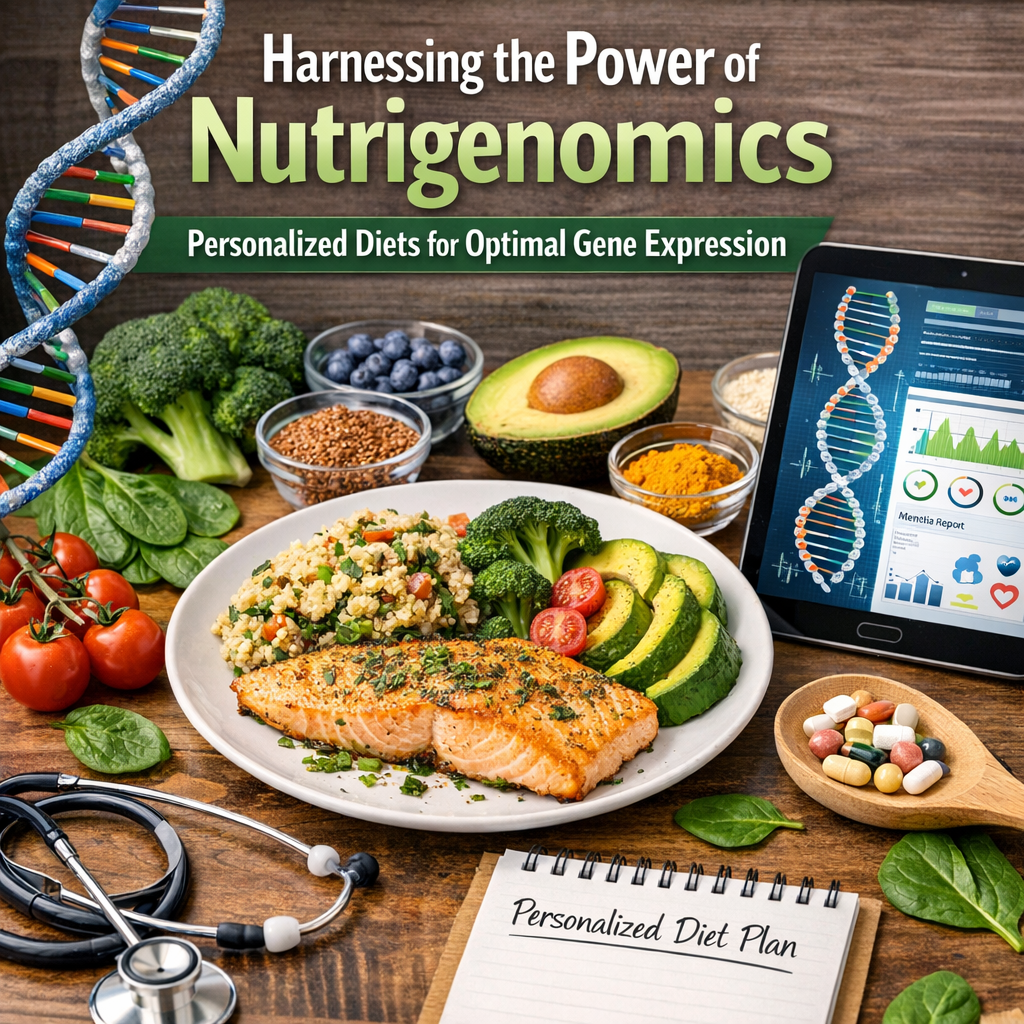
Harnessing the Power of Nutrigenomics: Personalized Diets for Optimal Gene Expression
Introduction
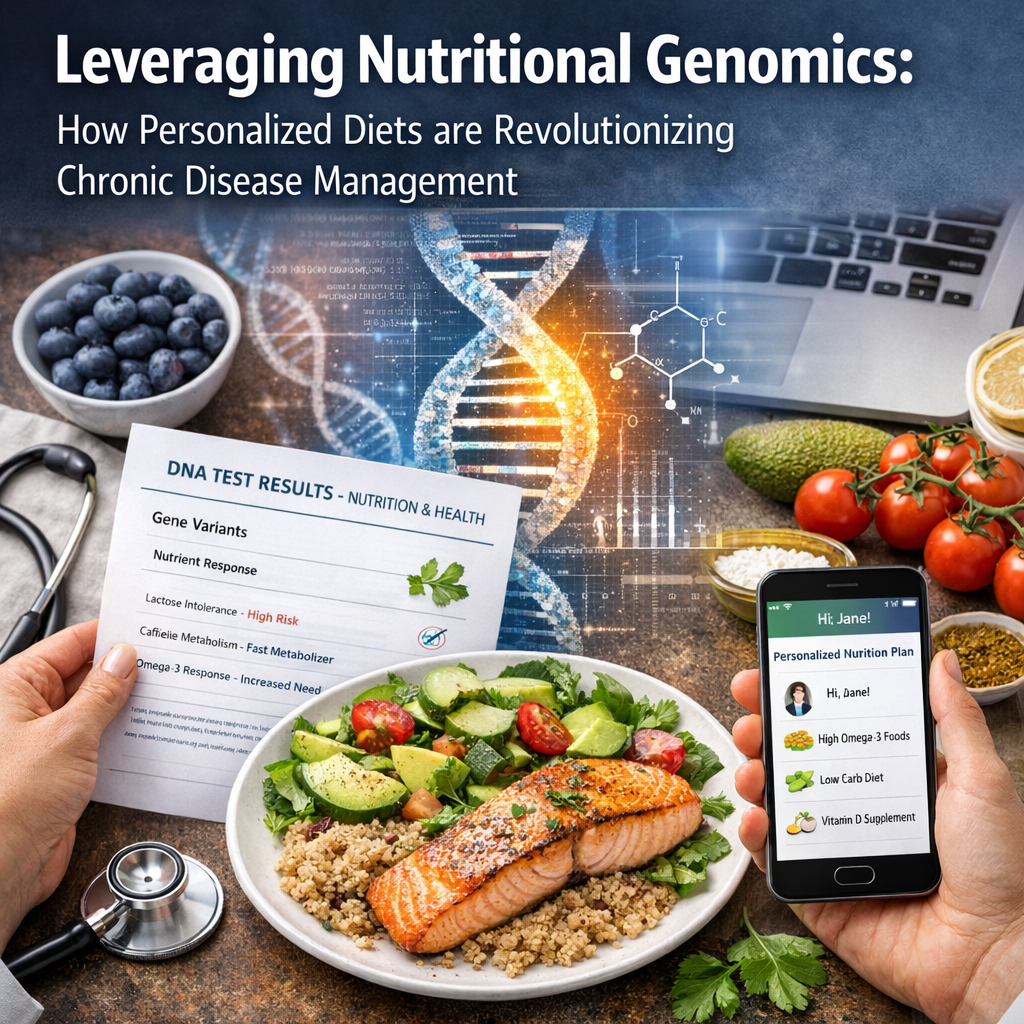
In recent years, the field of dietary science has experienced a paradigm shift with the advent of nutrigenomics—a groundbreaking discipline exploring the intricate interaction between nutrition and the human genome. As more individuals become health-conscious, the focus is moving towards personalized nutrition plans tailored to individual genetic profiles. Nutrigenomics delves into how different foods interact with specific genes, potentially influencing one’s susceptibility to various diseases and general wellness.
The intertwining concepts of genes and diet bring forth a crucial question: How do specific nutrients influence gene expression? Nutrigenomics suggests that by understanding and modifying our dietary intake, we can positively affect gene expression and, consequently, our health outcomes. Consider it the genetic blueprint of nutrition; the food we consume acts as signals that can turn certain genes on or off, affecting both temporary and lasting repercussions on our health. This new direction not only has the potential to reduce the prevalence of chronic illnesses such as obesity, diabetes, and cardiovascular diseases but also offers a more comprehensive approach to preventive healthcare.
The allure of nutrigenomics lies in its capacity to provide a personalized diet based on individual genetic variation, potentially optimizing health and longevity. This person-centered approach deviates from the one-size-fits-all diet, promoting a regimen that aligns closely with genetic individuality. In an age where consumers are inundated with generic dietary advice, nutrigenomics acknowledges and respects the fact that we all respond differently to food. It stands at the intersection of cutting-edge technological advances and nutrition, making it an exciting frontier in the world of health and wellness.
Features
Exploring the connection between diet and genetic makeup opens vast opportunities for enhancing health through personalized nutrition interventions. This burgeoning field is supported by a multitude of professional and medical studies that illustrate the profound implications of diet-based genetic modulation.
A study conducted by the [Nutrigenomics Institute](https://www.ncbi.nlm.nih.gov/pmc/articles/PMC7243209/) in 2020 explored the influence of omega-3 fatty acids on gene expression related to inflammation, which is a precursor to many chronic diseases. The research found that these essential fatty acids can modulate genes involved in the inflammatory process, suggesting that a diet rich in omega-3s could mitigate inflammation on a genetic level.
Another compelling study published in the [Journal of Nutritional Biochemistry](https://www.sciencedirect.com/science/article/pii/S0955286319300519) investigated polyphenolic compounds found in foods like berries, grapes, and tea. The study concluded that these compounds have the ability to interact with genes that manage oxidative stress. By consuming a diet plentiful in polyphenols, individuals might enhance their body’s defense against oxidative damage, a major contributor to aging and various diseases.
Furthermore, a notable study conducted by [Stanford University’s Center for Nutritional Precision Health](https://www.ncbi.nlm.nih.gov/pmc/articles/PMC7288475/) outlined the significance of genetic variations in metabolism. The research demonstrated that individuals possess different predispositions to metabolize carbohydrates and fats, depending on their genetic makeup. These insights are integral to formulating personalized nutrition plans that optimize weight management and metabolic efficiency.
These studies underscore the necessity of understanding individual genetic profiles to craft diets that not only cater to personal preferences but also enhance overall health by targeting specific genes. As ongoing research in nutrigenomics continues to uncover the nuanced interactions between nutrients and genes, the prospect of personalized nutrition becomes more tangible and attainable.
Conclusion
Nutrigenomics presents a frontier where nutrition interlaces with genetic science, offering a transformative path to personalized health optimization. As research in this domain progresses, the relationship between our genetic code and dietary habits becomes clearer, paving the way for innovative strategies that combat chronic diseases and improve quality of life. The potential benefits of aligning one’s diet with genetic predispositions are substantial, promising a future where wellness is tailored, preventive, and sustainable.
Consumers stand to gain immensely as nutrigenomics evolves, offering actionable insights for dietary modifications that resonate with genetic makeup. This personalized approach not only fosters greater control over personal health outcomes but also promotes a deeper understanding of how food choices can influence one’s genetic activation. By tapping into the power of nutrigenomics, individuals can make informed dietary choices that are as unique as their genetic fingerprint. The prospect of healthy living through personalized diets is already within reach, promising a new era of informed nutritional choices and improved genetic expression.
Concise Summary:
Nutrigenomics is revolutionizing dietary science by exploring the interplay between nutrition and the human genome, enabling the creation of personalized diet plans. By understanding how nutrients influence gene expression, this field aims to optimize health and prevent chronic illnesses like obesity, diabetes, and cardiovascular diseases. Recent studies highlight the potential of omega-3 fatty acids, polyphenols, and genetic variations in metabolism to significantly impact overall wellness. As nutrigenomics advances, it offers actionable insights for tailored nutrition, empowering individuals to make informed choices that align with their genetic makeup, ushering in a new era of personalized health optimization.

Dominic E. is a passionate filmmaker navigating the exciting intersection of art and science. By day, he delves into the complexities of the human body as a full-time medical writer, meticulously translating intricate medical concepts into accessible and engaging narratives. By night, he explores the boundless realm of cinematic storytelling, crafting narratives that evoke emotion and challenge perspectives.
Film Student and Full-time Medical Writer for ContentVendor.com