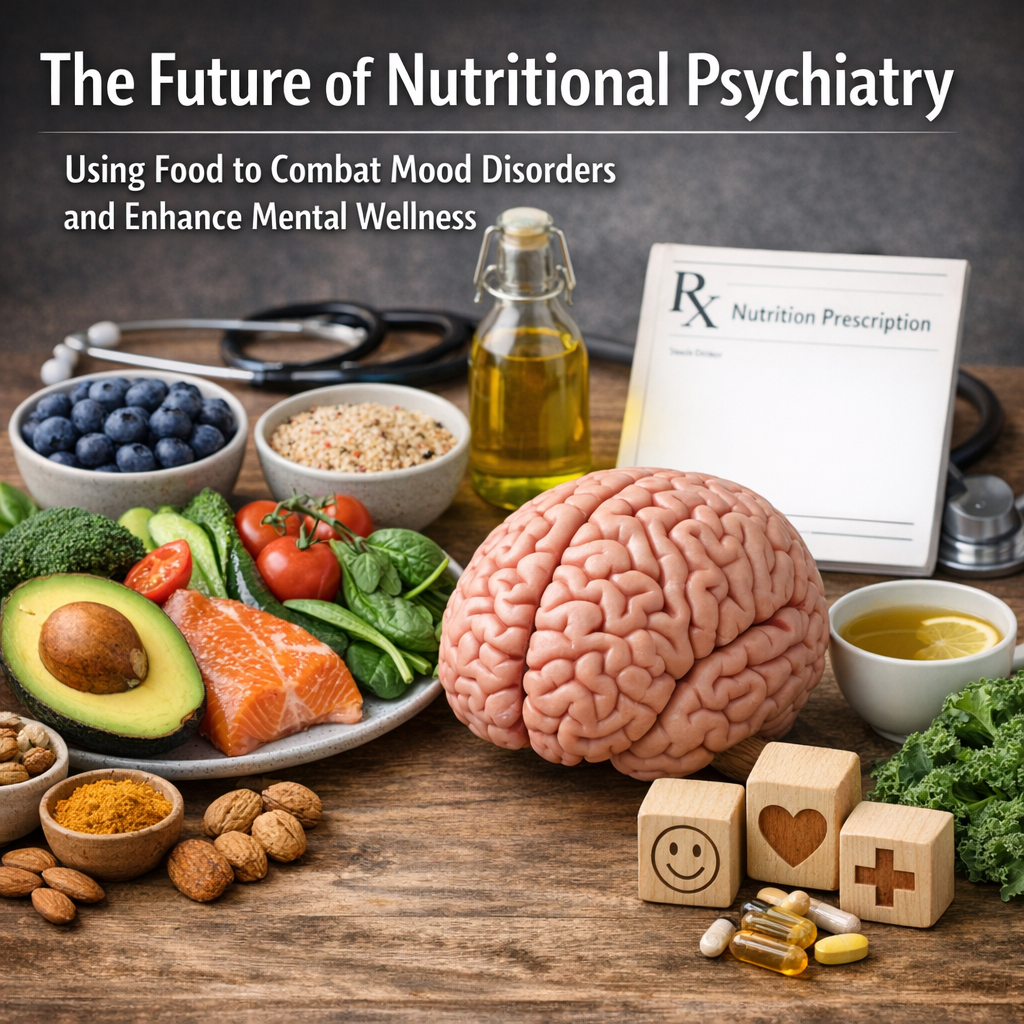
The Future of Nutritional Psychiatry: Using Food to Combat Mood Disorders and Enhance Mental Wellness
Introduction:
In recent years, there has been a growing recognition of the intricate connection between the foods we consume and our mental well-being, giving rise to the field of nutritional psychiatry. Unlike traditional approaches that primarily rely on medication and therapy to address mood disorders, nutritional psychiatry emphasizes the role of diet as a pivotal factor in mental health. As society becomes more health-conscious and environmentally aware, there is an increased interest in exploring natural cures, homeopathic, and herbal treatments for mental wellness. This burgeoning field offers hope for those seeking holistic and sustainable solutions to complex psychological issues. Understanding how specific nutrients and dietary patterns influence mood can potentially revolutionize the way we approach mental health treatment.
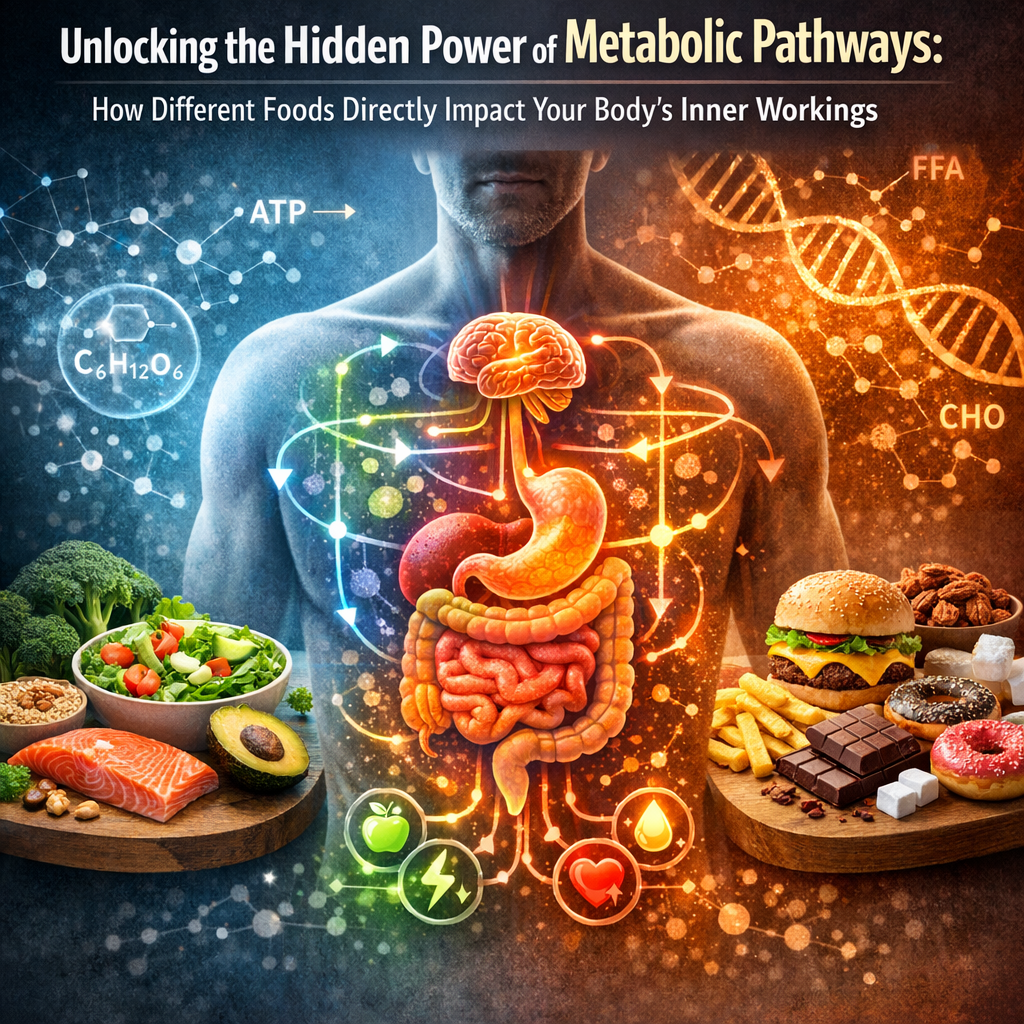
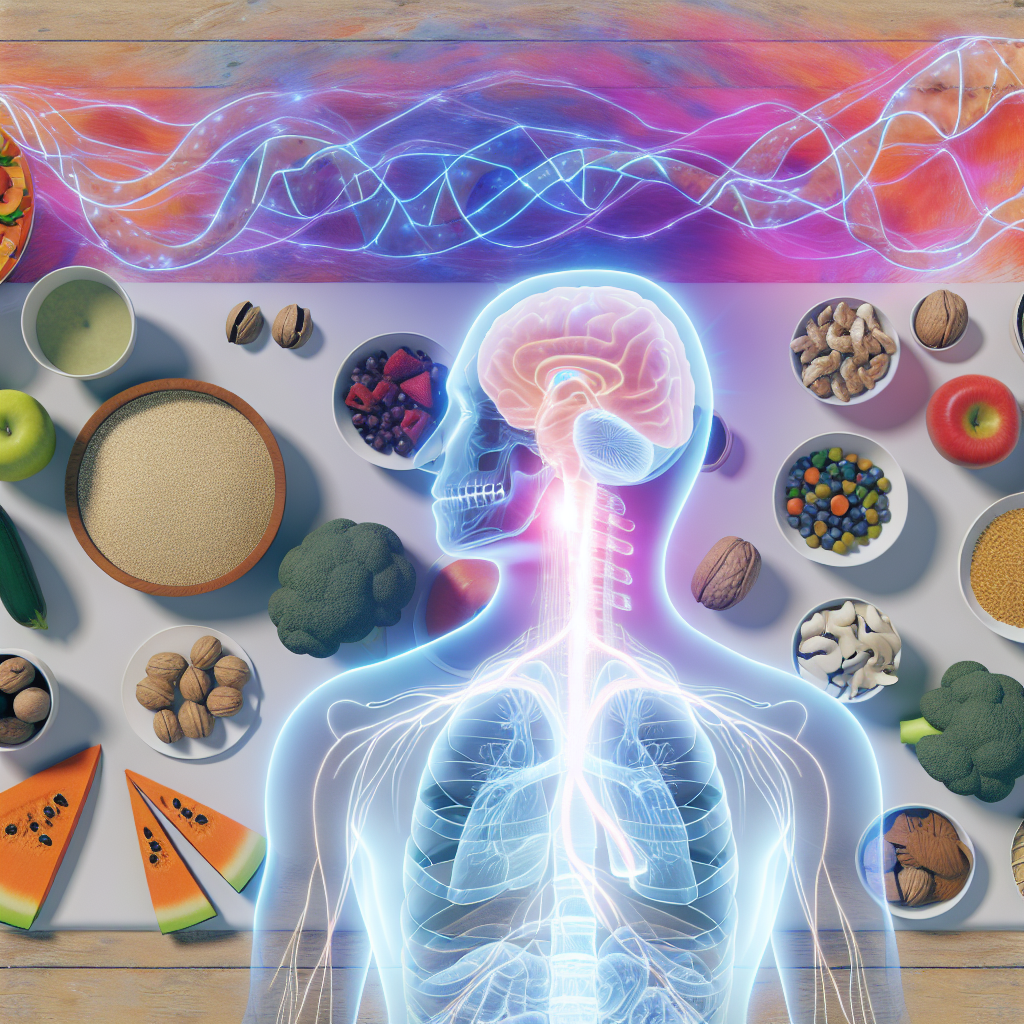
Nutritional psychiatry posits that certain dietary choices have the potential to either alleviate or exacerbate mood disorders. Foods dense in omega-3 fatty acids, antioxidants, and probiotics, for instance, are often highlighted for their mental health benefits. Conversely, diets high in refined sugars and processed foods have been linked to an increased risk of mood disorders like depression and anxiety. The gut-brain axis—a bidirectional communication line between the gut and the brain—plays a critical role in this dynamic, with gut health being a foundational element of mental wellness.
Moreover, the increasing prevalence of mood disorders globally has prompted researchers to delve deeper into alternative treatment pathways that do not solely rely on pharmacotherapeutic interventions. This is not to undermine the efficacy of medications and psychotherapy in treating mental disorders, but rather to recognize that diet can be an empowering adjunctive tool in managing and possibly preventing such conditions. As the field grows, it is increasingly supported by robust scientific studies, lending credibility and practical application to once speculative ideas about the food-mood connection.
The future of nutritional psychiatry is promising, with potential to contribute significantly to a comprehensive treatment approach that is sustainable, personalized, and attuned to the unique biochemical make-up of individuals.
Features:
Numerous studies have begun to shed light on how specific foods and nutrients can impact mental health, providing a scientific basis for the expansion of nutritional psychiatry. One landmark study published in the [Journal of Neurology, Neurosurgery, & Psychiatry](https://jnnp.bmj.com/content/78/1/29) emphasizes the significant link between dietary patterns and depression. The researchers found that individuals who adhered to a diet rich in whole foods, including fruits, vegetables, and fish, had higher odds of experiencing improved mental health compared to those who consumed a diet high in processed foods, sugar, and refined grains.
Furthermore, another fascinating study from [Molecular Psychiatry](https://www.nature.com/articles/s41380-018-0211-1) suggests that gut microbiota plays a crucial role in developing mood disorders. The study explores how a diet high in probiotics, such as yogurt and fermented foods, can nourish the gut microbiome, leading to enhanced production of neurotransmitters like serotonin, which are essential for regulating mood. This emerging evidence underscores the gut-brain connection and how integral gut health is to emotional and psychological well-being.
In addition to specific nutrients and foods, the Mediterranean diet has gained attention for its mental health benefits. Characterized by high consumption of olive oil, nuts, seeds, and legumes, this diet has been associated with lower levels of depression and anxiety. A study published in [Nutrients](https://www.mdpi.com/2072-6643/8/4/202) conducted a randomized trial to investigate the effects of the Mediterranean diet on depression and found significant mood improvements amongst participants.
Further, omega-3 fatty acids, primarily found in fish oil, have been extensively studied for their neuroprotective properties. According to a study published in [Translational Psychiatry](https://www.nature.com/articles/tp2013139), omega-3 supplements show efficacy in reducing symptoms of major depressive disorder, marking them as potential adjuncts to traditional treatments.
These findings highlight the importance of diet as not just nourishment for the body but as a potent tool for enhancing mental health. They also indicate a growing appreciation for natural and holistic treatment methods that bolster the biological underpinnings of mood regulation.
Conclusion:
The ascent of nutritional psychiatry represents a thrilling frontier in mental health treatment. As research continues to unfold, it becomes clear that what we eat extends far beyond physical health; it is instrumental in shaping our mental and emotional landscapes. By adopting diets rich in whole, nutritious foods and optimizing gut health, individuals can empower themselves with the means to better manage mood disorders and enhance overall mental wellness. Nutritional psychiatry holds the promise of transforming traditional treatment paradigms, offering new hope and innovative strategies that align with the principles of natural cures and holistic well-being. As we move towards a future that prioritizes personalized care and integrative health approaches, nutritional psychiatry is poised to play a pivotal role in redefining mental health care. As researchers continue to discover how diet influences mood disorders, it is likely that dietary interventions will become an integral part of mental health treatment plans, offering a natural, effective, and sustainable path to achieving mental well-being.
Concise Summary:
Nutritional psychiatry is an emerging field emphasizing the critical link between diet and mental health. As interest in natural cures and holistic treatments grows, this discipline explores how specific nutrients, like omega-3 fatty acids and probiotics, can impact mood disorders. Studies show that diets rich in whole foods may enhance mental well-being, whereas processed foods can exacerbate issues like depression and anxiety. The Mediterranean diet and omega-3 supplements are particularly highlighted for their mental health benefits. This promising approach could transform traditional treatments, offering sustainable and personalized solutions for mental wellness.

Dominic E. is a passionate filmmaker navigating the exciting intersection of art and science. By day, he delves into the complexities of the human body as a full-time medical writer, meticulously translating intricate medical concepts into accessible and engaging narratives. By night, he explores the boundless realm of cinematic storytelling, crafting narratives that evoke emotion and challenge perspectives.
Film Student and Full-time Medical Writer for ContentVendor.com