Nutrient Density Scoring System Explained
In the ever-evolving landscape of nutrition and health, understanding the concept of nutrient density has become crucial for making informed dietary choices. The nutrient density scoring system is an innovative framework designed to help individuals evaluate the nutritional quality of foods and prioritize those that provide the most nutrients per calorie. This system empowers consumers to make healthier choices by focusing on foods that offer essential vitamins, minerals, and other beneficial compounds, while minimizing unnecessary calorie intake. As individuals become increasingly aware of the impact of their dietary habits on overall health and well-being, nutrient density scoring has gained traction as a valuable tool in the pursuit of optimal nutrition.
The origin of nutrient density scoring can be traced back to the growing need to address the prevalence of nutrient deficiencies and obesity-related diseases. With the modern diet often laden with calorie-dense but nutrient-poor options, there is a critical need to emphasize foods that provide maximum nutritional value. Nutrient-dense foods, such as fruits, vegetables, lean proteins, and whole grains, are rich in essential nutrients required for optimal health, including vitamins, minerals, fiber, and phytonutrients, while being relatively low in calories. By prioritizing these foods, individuals can enhance their nutrient intake without exceeding their daily caloric needs, thus supporting weight management and reducing the risk of chronic diseases.
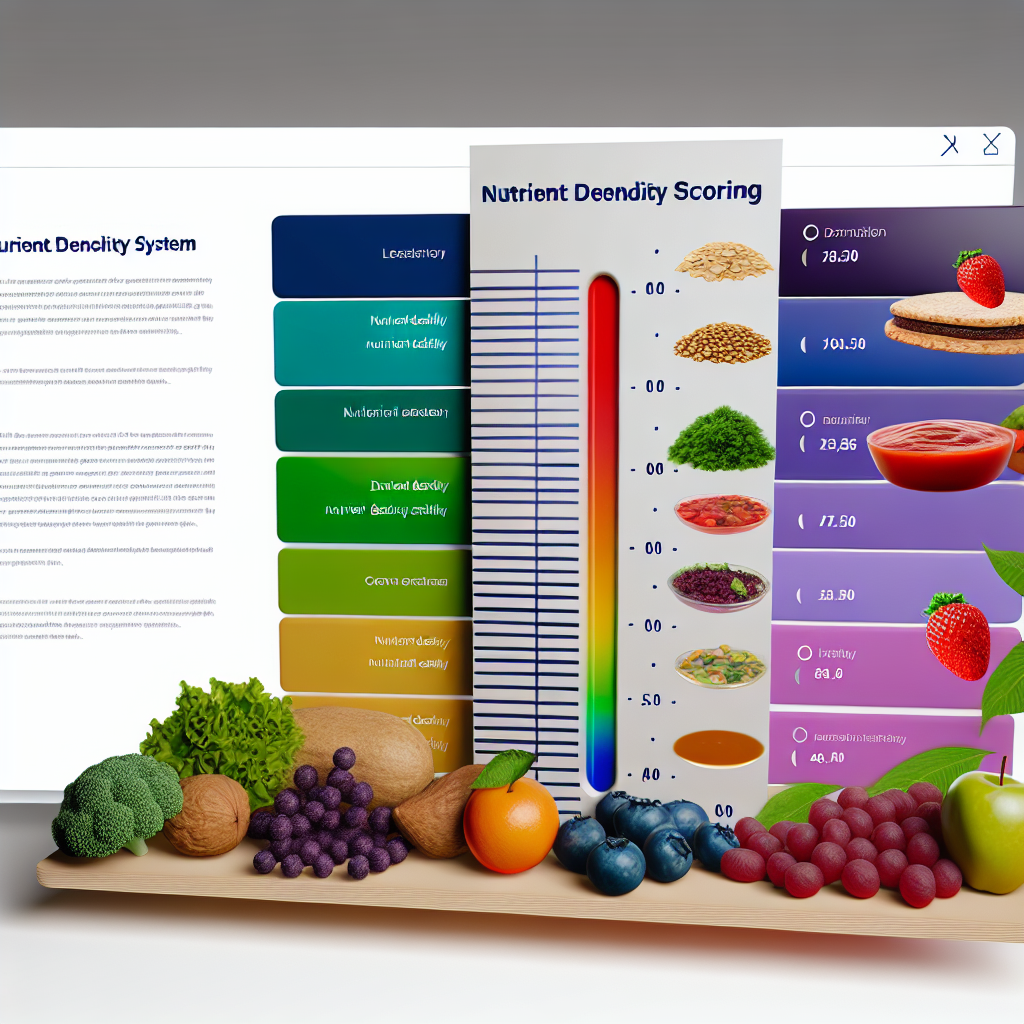
Nutrient density scoring systems assign a numerical value to foods based on their nutrient content relative to their caloric value. This allows consumers to easily compare food options and make choices that align with their health goals. Such systems often consider a wide range of nutrients, including protein, fiber, vitamins C and A, calcium, iron, and potassium, among others. Foods with higher scores are considered more nutrient-dense, providing greater health benefits per calorie consumed. The scoring system not only guides individuals toward healthier eating patterns but also serves as an educational tool, promoting a better understanding of the complex relationship between food consumption, nutrient intake, and health outcomes.
Features
Several studies have highlighted the importance and effectiveness of nutrient density scoring systems in promoting healthy eating habits. A notable study published in the Journal of the Academy of Nutrition and Dietetics examined the correlation between nutrient density scores and health outcomes, concluding that higher scores were associated with improved dietary quality and a reduced risk of chronic diseases such as cardiovascular disease, diabetes, and certain cancers. The study underscored the utility of nutrient density scores as a practical strategy for individuals seeking to enhance their diet quality while managing caloric intake.
In another research effort, conducted by the Nutritional Epidemiology Branch of the National Cancer Institute, researchers developed a scoring system known as the Nutrient Rich Foods Index. This index rates the nutrient density of foods based on their content of key nutrients in relation to their energy content. Findings from the study demonstrated that individuals who predominantly consumed higher-scoring foods had a lower body mass index, maintained healthier blood pressure levels, and experienced a lower incidence of metabolic syndrome. These results provide compelling evidence of the positive impact that nutrient density scoring systems can have on overall health and nutritional status.
The application of nutrient density scoring extends beyond individual health, influencing public health policies and dietary guidelines. For example, the Dietary Guidelines for Americans incorporate the concept of nutrient density as a cornerstone for developing recommendations that encourage the consumption of nutrient-rich foods. By informing policy development and shaping dietary standards, nutrient density scoring systems have the potential to address public health challenges by guiding populations toward healthier eating patterns that can help prevent nutrition-related diseases.
Conclusion
The nutrient density scoring system is a powerful tool that enables individuals to make informed decisions about their dietary choices, prioritizing foods that deliver essential nutrients while minimizing empty calories. As consumers seek to improve their health outcomes and reduce the risk of chronic diseases, understanding and utilizing nutrient density scores can help in crafting an optimal diet that supports their nutritional needs. By incorporating nutrient-dense foods into their daily meals, individuals can enjoy the benefits of improved dietary quality, enhanced nutrient intake, and reduced risk of health issues.
As the conversation around nutrition continues to evolve, the role of nutrient density scoring systems will likely expand, shaping both individual dietary choices and broader public health initiatives. Through continued research and collaboration among healthcare professionals, nutritionists, and policymakers, the potential of nutrient density scoring to improve health and well-being remains promising. By fostering a deeper understanding of the relationship between food choices and health, nutrient density scoring systems have the capacity to transform the way we approach nutrition and empower individuals to achieve a balanced and healthful diet.
Concise Summary
Nutrient density scoring systems offer a method to evaluate the nutritional quality of foods by examining the ratio of nutrients to calories. This approach guides individuals towards foods rich in essential vitamins and minerals while minimizing calorie intake. Studies underscore their effectiveness in promoting healthy eating and reducing disease risk. As part of public health strategies, these systems influence dietary guidelines, helping address issues like obesity and nutrient deficiencies. Through education and policy, nutrient density scoring empowers consumers to make informed dietary choices, leading to improved health outcomes and a better understanding of nutrition’s role in well-being.

Dominic E. is a passionate filmmaker navigating the exciting intersection of art and science. By day, he delves into the complexities of the human body as a full-time medical writer, meticulously translating intricate medical concepts into accessible and engaging narratives. By night, he explores the boundless realm of cinematic storytelling, crafting narratives that evoke emotion and challenge perspectives.
Film Student and Full-time Medical Writer for ContentVendor.com