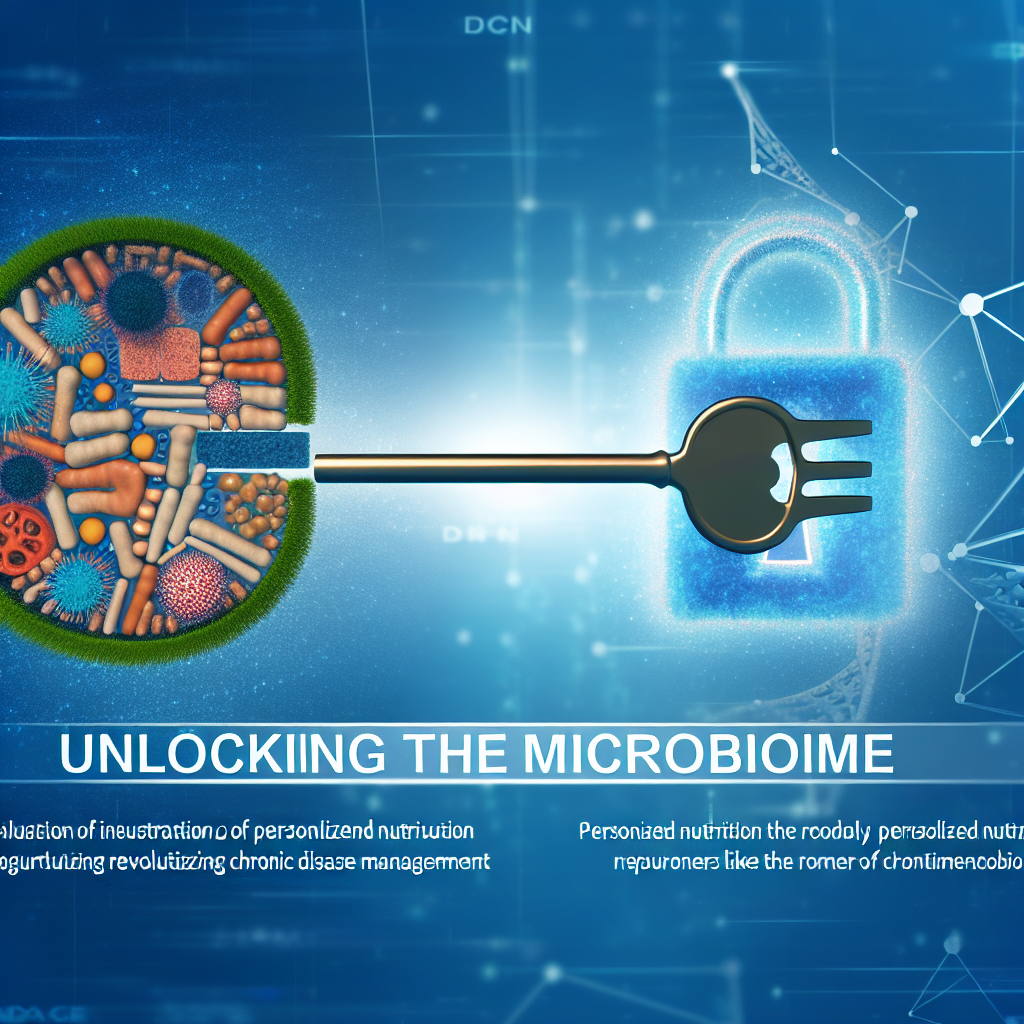
Unlocking the Microbiome: How Personalized Nutrition Can Revolutionize Chronic Disease Management
Introduction
In the realm of health and wellness, the **microbiome** is swiftly emerging as a key player, opening up a world of possibilities for personalized nutrition and chronic disease management. The microbiome, a diverse community of trillions of **microorganisms** residing in our gastrointestinal tract, plays a pivotal role in our overall health. It acts as an intricate ecosystem, interacting with our diet, lifestyle, and even mental health. Contemporary research underscores the importance of this microorganism arsenal in digestive health, immunity, and the regulation of metabolism, making it a cornerstone in understanding and managing **chronic diseases**.
Chronic diseases such as diabetes, obesity, cardiovascular disease, and inflammatory conditions pose significant challenges to global health. Traditional approaches to managing these illnesses often rely on standardized treatments which, while beneficial, may overlook the subtle nuances of an individual’s unique health profile. That’s where **personalized nutrition**, tailored to the individual’s microbiome, could potentially revolutionize chronic disease management. By understanding the specific composition and function of an individual’s microbiome, healthcare providers could customize dietary recommendations that optimize gut health, enhance nutrient absorption, and reduce inflammation.
The concept of personalized nutrition is predicated on the understanding that our microbiomes are as unique as our fingerprints. Factors such as genetics, diet, environment, and lifestyle all shape the microbial makeup of our gut. Consequently, what works for one person may not work for another. Personalized nutrition seeks to capitalize on this individuality by crafting dietary strategies that target and modify the microbiome to improve health outcomes.
With advancements in technology and science, particularly in areas like genomics and metabolomics, the potential to decode and influence the microbiome has never been greater. As scientists continue to unravel the complex web of interactions within the microbiome, the potential for personalized nutrition to transform chronic disease management is becoming increasingly evident. This alignment of precision nutrition with microbiome science not only promises significant improvements in clinical outcomes but also empowers individuals in their journey towards optimal health.
Features
Our understanding of the microbiome’s role in chronic disease management has been catapulted forward by numerous studies and clinical trials. One pivotal study published in the journal *Nature* highlighted how variations in microbiome composition can affect the host’s metabolism and contribute to the development of metabolic disorders such as obesity and type 2 diabetes. The findings indicate that a specific balance of gut bacteria can directly influence insulin sensitivity, energy harvest, and fat storage, underscoring the potential of microbiome-targeted nutritional interventions.
Another study published in the *American Journal of Clinical Nutrition* explored the impact of diet on **gut microbiota** and its subsequent effects on inflammatory responses. It reported that dietary fibers and **plant-based diets** promote the growth of beneficial gut bacteria that can help mitigate inflammatory processes. This is particularly pertinent for individuals suffering from inflammatory conditions like rheumatoid arthritis and **irritable bowel syndrome** (IBS), where personalized dietary strategies targeting the microbiome could alleviate symptoms.
Furthermore, the Human Microbiome Project by the National Institutes of Health has been instrumental in mapping the microbial diversity present in healthy and diseased states. Through comprehensive metagenomic sequencing, the project has revealed insights into the connections between gut microbiota and immune system regulation. Such discoveries are paving the way for personalized interventions that modulate the microbiome to enhance immune function and combat infections.
The emerging field of **personalized probiotics** is also gaining traction as part of personalized nutrition strategies. Customized probiotic formulations, tailored to the individual’s unique microbiome profile, can potentially restore microbial balance and improve gut health as detailed in a study published in *Frontiers in Microbiology*. This approach is especially promising for managing **gastrointestinal disorders** like Crohn’s disease and ulcerative colitis, where traditional treatments often fall short.
Conclusion
The future of chronic disease management lies in unlocking the potential of the microbiome through personalized nutrition. By harnessing the power of our individual microbial ecosystems, we can craft nutrition plans that not only manage but potentially prevent, chronic diseases. As research continues to illuminate the intricate relationship between diet, microbiota, and health, the shift towards precision nutrition becomes inevitable.
The transition to this personalized approach requires collaboration among healthcare providers, nutritionists, and researchers to develop tools and strategies that seamlessly integrate into clinical practice. While challenges remain in translating these scientific discoveries into practical applications, the path forward holds promise for a future where chronic diseases are managed with unprecedented precision and effectiveness. As we stand on the cusp of a nutritional revolution, it is clear that the microbiome will play an integral role in shaping the health landscapes of tomorrow.
Concise Summary
The microbiome is pivotal in health as it can influence chronic disease management through personalized nutrition strategies. Tailored nutritional approaches based on an individual’s unique microbiome composition can optimize gut health and reduce risks for diseases like obesity, diabetes, and inflammatory conditions. Advances in genomics and metabolomics offer opportunities to revolutionize treatment efficacy. Comprehensive research and collaborations are necessary for integrating these insights into clinical applications, enabling a future where chronic disease management is customized and more effective.
**References:**
– Nature Study, [Nature Study](https://www.nature.com/articles/nature13591).
– American Journal of Clinical Nutrition, [AJCN Study](https://academic.oup.com/ajcn/article/96/2/260/4567433).
– Human Microbiome Project, [NIH HMP](https://commonfund.nih.gov/hmp).
– Frontiers in Microbiology, [Frontiers Study](https://www.frontiersin.org/articles/10.3389/fmicb.2019.01620/full).

Dominic E. is a passionate filmmaker navigating the exciting intersection of art and science. By day, he delves into the complexities of the human body as a full-time medical writer, meticulously translating intricate medical concepts into accessible and engaging narratives. By night, he explores the boundless realm of cinematic storytelling, crafting narratives that evoke emotion and challenge perspectives.
Film Student and Full-time Medical Writer for ContentVendor.com