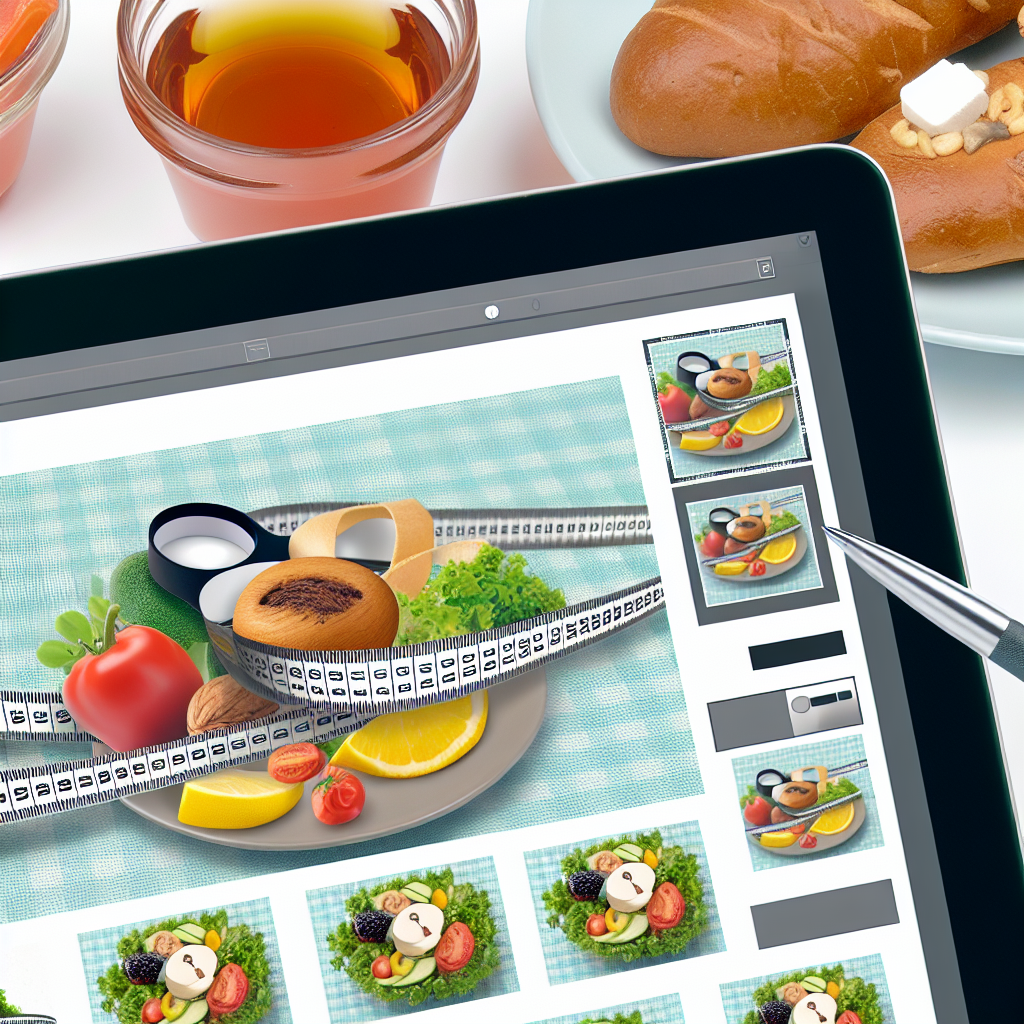
Portion Control – Visual Measurement System
Introduction
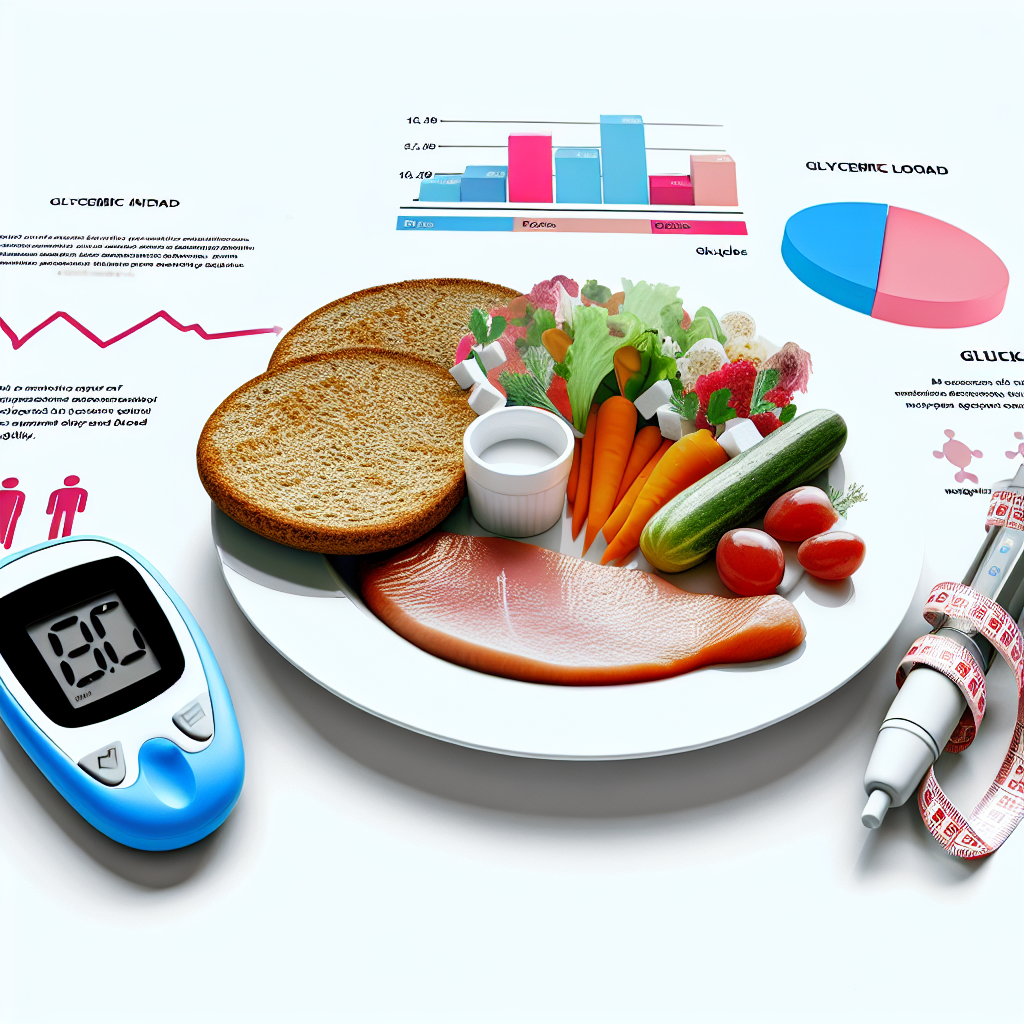
In an era of increasing **lifestyle diseases** and **obesity**, there’s a rising interest in **natural cures**, **homeopathic remedies**, and **herbal treatments**. A crucial yet overlooked element in maintaining a **balanced diet** is **portion control**. It’s not just about reducing food intake but understanding how much food the body actually needs. **Visual measurement systems** provide an intuitive way to manage portion sizes without scales or calorie counting, using everyday items and hand measurements. For example, protein servings should match a deck of cards or the palm of your hand, carbohydrates can compare to a tennis ball, and fats should be limited to the size of a thumb tip.
Moreover, these systems tap into the **psychology of eating**. Research indicates that visual cues can influence consumption, regardless of hunger. By utilizing visual measurements, individuals can combat these cues, promoting **mindful eating** that aids **weight management** and **overall health**. As health trends evolve, visual measurement systems offer a practical strategy, encouraging simplicity and conscious eating habits that align with **holistic health remedies**.
Features
The **scientific community** has increasingly emphasized **portion control** to combat **obesity**. Studies highlight how **visual measurement systems** effectively help in managing portion sizes. A study in the journal [*Appetite*](https://www.journals.elsevier.com/appetite) showed visual systems reduced caloric intake without increasing hunger. Participants using visual aids consumed less, making visual cues a potent tool for portion control.
Furthermore, the [*Journal of the American Dietetic Association*](https://www.adajournal.org/) found visual aids support behavioral changes in eating, fostering consistency in achieving dietary goals. This empowers individuals, giving them control over their eating habits, crucial for adherence to healthy practices.
Beyond **weight management**, visual portion control aligns with **mindful eating**, enhancing digestion, and nutrient absorption. According to [*Obesity Reviews*](https://onlinelibrary.wiley.com/journal/1467789x), mindful eating fosters awareness of hunger and satisfaction while savoring food, supported by visual portion guides.
Incorporating visual measurement systems helps individuals embrace a natural and intuitive form of portion control, harmonized with modern nutritional science and traditional health practices.
Conclusion
Using **visual measurement systems** offers a practical way to manage portions without calorie counting, aligning with **natural health principles** for those interested in **holistic medicine**. Research highlights its efficacy in reducing caloric intake, promoting mindful eating, and supporting a balanced lifestyle. This approach nurtures a connection with food, fostering **mindful consumption** in a world often choosing convenience over **health**. Embracing visual cues can be a vital step to well-being through natural means.
References
1. [*Appetite* Journal: Research on visual portion control’s impact on caloric intake](https://www.journals.elsevier.com/appetite).
2. [*Journal of the American Dietetic Association*: Study on visual aids and behavioral changes in eating](https://www.adajournal.org/).
3. [*Obesity Reviews*: Article on mindful eating and its benefits](https://onlinelibrary.wiley.com/journal/1467789x).
Concise Summary
**Visual measurement systems** provide a practical method for **portion control** without the hassle of calorie counting. They use everyday objects to gauge food portions, aligning with both **modern nutritional** and traditional health practices. Studies show they effectively reduce caloric intake and foster **mindful eating**, essential for a balanced lifestyle. This approach encourages a simpler, intuitive connection with food, appealing to those interested in holistic health and **natural remedies**. Leveraging visual cues turns **portion control** into an accessible tool for promoting overall health and sustainable eating habits.

Dominic E. is a passionate filmmaker navigating the exciting intersection of art and science. By day, he delves into the complexities of the human body as a full-time medical writer, meticulously translating intricate medical concepts into accessible and engaging narratives. By night, he explores the boundless realm of cinematic storytelling, crafting narratives that evoke emotion and challenge perspectives.
Film Student and Full-time Medical Writer for ContentVendor.com