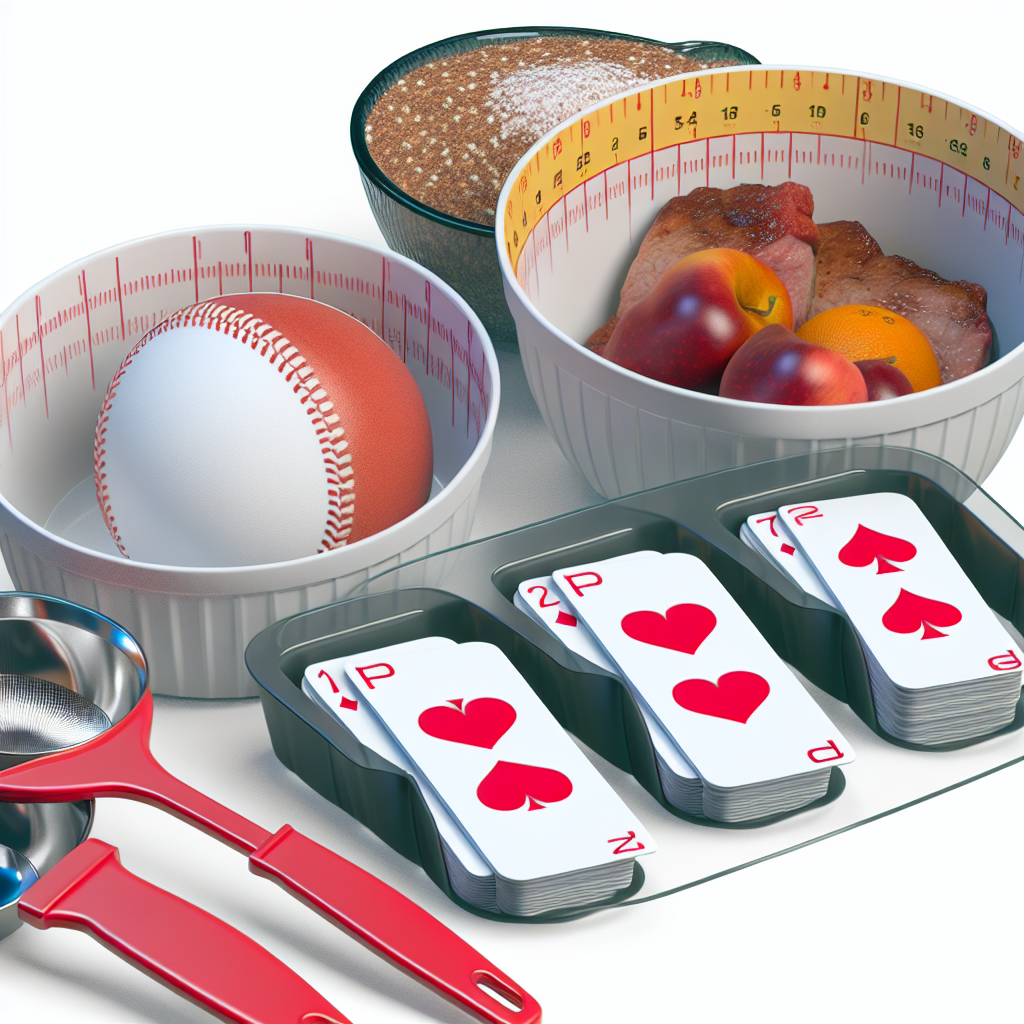
Portion Control Guide – Visual Measurement System
Introduction
In a world where supersized meals and fast food are common, many people find it challenging to manage their weight and maintain optimal health. The concept of portion control has gained traction among nutrition experts as a sustainable solution for weight management and chronic disease prevention.
While calorie tracking and food scales can be effective, they often feel impractical for everyday use. This is where the Visual Measurement System comes in—a simple, intuitive way to gauge food quantity using everyday items like your hand or plate sections. It allows users to embrace mindful eating without the stress of calculation or rigid food logs.
Portion control isn’t about eating less; it’s about eating the right balance of food groups to support overall wellbeing. Overeating or unbalanced portions can lead to digestive issues, undesired weight gain, and increased risk of type 2 diabetes, heart disease, and hypertension.
For individuals exploring natural remedies, herbal medicine, or homeopathy, portion control supports these philosophies by emphasizing balance and conscious nourishment. Traditional systems like Ayurveda also highlight the value of appropriate portion sizes and mindful meals to harmonize body energies and improve digestion.
The visual measurement method allows for easy estimation of proper servings, turning nutrition into a natural lifestyle rather than a chore. Whether using your hand to size portions or relying on divided plates, this approach complements holistic wellness for anyone looking to eat healthier without unnecessary complications.
Features and Supporting Scientific Studies
The effectiveness of the visual portion control method is supported by scientific research as a practical tool for controlling food intake and supporting weight loss or maintenance.
A 2012 study in the journal Appetite found that visual cues like comparing a piece of meat to a deck of cards improved participants’ ability to judge food intake, reducing overall calorie consumption while maintaining satisfaction ([source](https://www.sciencedirect.com/science/article/abs/pii/S0195666312001345)).
The Harvard T.H. Chan School of Public Health popularized the Healthy Eating Plate, which provides a simple visual guide: half your plate should consist of vegetables and fruits, one-quarter whole grains, and one-quarter healthy protein. This approach offers a practical framework for building balanced meals, optimizing energy levels and nourishment.
A study published in the Journal of Diabetes Science and Technology explored the effect of portion-control plates among patients with type 2 diabetes. Those who used these visual aids experienced meaningful improvements in blood sugar levels and weight loss over six months ([source](https://journals.sagepub.com/doi/full/10.1177/193229680700100510)).
Additionally, a 2014 review in the American Journal of Clinical Nutrition concluded that reducing portion sizes led to consistent reductions in total energy intake and body weight, particularly when guided by visual aids ([source](https://academic.oup.com/ajcn/article/99/6/1324/4577464)).
Another influential practice involves using hand-based measurements:
– Palm = protein portion
– Fist = vegetable portion
– Cupped hand = carbohydrate portion
– Thumb = fat portion
These methods, supported by Precision Nutrition, cater to individuals’ body sizes and offer a personalized way to approach nutritious eating.
The visual system not only improves portioning habits but encourages sustainable lifestyle changes. This method is especially relevant for people following natural health practices, where intuitive eating and energy balance are central themes.
Practical Tips for Daily Use
Adopting the visual measurement system into your lifestyle is easy with a few practical strategies:
– Use your hand wherever you go. Your hand size is proportional to your body, making it the perfect portion-control tool.
– Think in plate portions: visually divide your plate into four sections—half vegetables, one-quarter lean protein, one-quarter whole grains or starches.
– Eat slowly and mindfully. Slower eating allows hunger and fullness cues to surface, helping you avoid overeating.
– Reevaluate your idea of “normal portions.” Start by checking food labels and comparing them with common hand-based visual cues.
– Use portion control dishes or divided plates to guide meal prep, especially helpful for children or beginners.
These techniques minimize decision fatigue and eliminate the need for calorie counters or digital calculators. Making these changes reinforces a positive relationship with food, promotes natural healing, and aligns with most holistic health principles.
Conclusion
Mastering portion control through the visual measurement system brings mindfulness back to your meals. It aligns seamlessly with principles of natural health, allowing for simplicity, balance, and internal harmony.
Especially for those practicing herbal medicine or homeopathy, eating the right portions supports the body’s self-healing capabilities. Using familiar tools like hand visuals and plate guides lowers stress levels around food while enhancing digestion and nutrient absorption.
In a culture of super-sized convenience, this method gently reorients you toward natural nourishment and conscious choices. Whether you seek better weight management, improved digestion, or a more holistic eating strategy, visual portion control offers a reliable, research-supported path to wellness.
Concise Summary
The Visual Measurement System is a practical, science-backed approach to portion control, utilizing hand sizes and plate divisions instead of calorie counting. Supported by institutions like Harvard and studies in journals like Appetite and AJCN, this method fosters mindful eating and supports weight management, blood sugar balance, and digestive health. Especially beneficial for those following natural healing practices, it simplifies balanced nutrition by making portioning intuitive and personalized. From palm-sized proteins to fist-sized veggies, this visual guide is a holistic, accessible tool for anyone seeking healthy eating habits and improved wellness—naturally and sustainably.
References
– Rolls, B. (2012). Portion size: a visual cue for satiety. Appetite
– Harvard T.H. Chan School of Public Health – Healthy Eating Plate
– Pedersen, S. D., et al. (2007). Portion control plate tool for weight loss in obese patients with type 2 diabetes. Journal of Diabetes Science and Technology
– Rolls, B. J., et al. (2014). Reducing portion size reduces food intake and body weight. American Journal of Clinical Nutrition
– Precision Nutrition – Calorie Control Guide

Dominic E. is a passionate filmmaker navigating the exciting intersection of art and science. By day, he delves into the complexities of the human body as a full-time medical writer, meticulously translating intricate medical concepts into accessible and engaging narratives. By night, he explores the boundless realm of cinematic storytelling, crafting narratives that evoke emotion and challenge perspectives.
Film Student and Full-time Medical Writer for ContentVendor.com