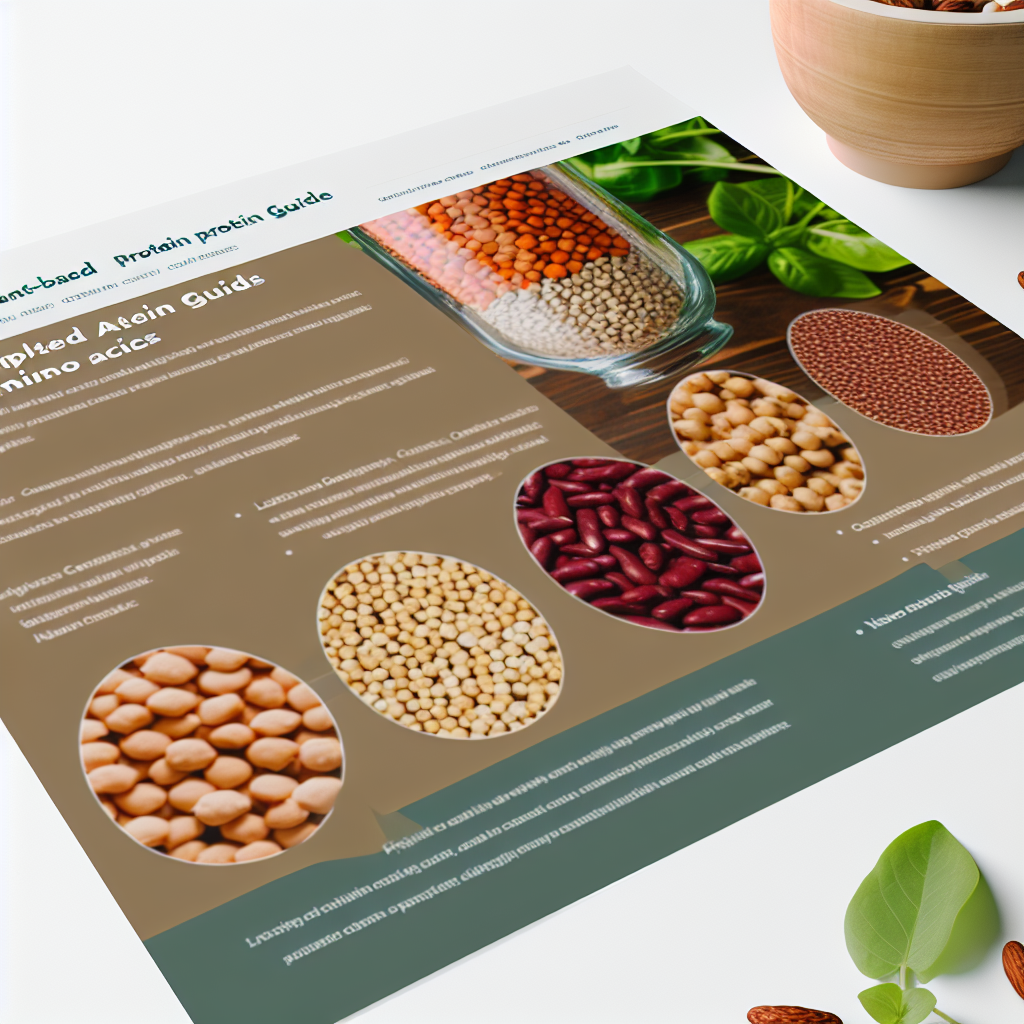
Plant-Based Protein Guide – Complete Amino Acids
Introduction
As more individuals adopt a plant-based lifestyle for health, ethical, or environmental reasons, the focus on plant-based nutrition — especially protein — has never been more relevant. While traditional diets heavily rely on animal sources for protein, there is a growing interest in understanding and optimizing plant-based proteins as viable alternatives that can fuel the body just as effectively.
Protein is a fundamental macronutrient, supporting muscle growth, tissue repair, immune system function, and the production of vital enzymes and hormones. However, not all proteins are created equal. What sets some apart is their amino acid profile. Amino acids are the building blocks of protein, and of the 20 that exist, nine are considered essential amino acids — meaning our bodies cannot produce them and they must be obtained through diet. A complete protein contains all nine of these essential amino acids in sufficient quantities.
Traditional sources like meat, eggs, and dairy are naturally complete proteins. However, many plant-based sources are considered “incomplete proteins,” missing one or more of these essential amino acids. This has led to the misconception that plant-based diets lack quality protein. However, through careful planning, a plant-based diet can provide complete and abundant protein and amino acid profiles.
In this guide, we’ll explore how to achieve complete amino acid profiles through plant-based sources. We’ll also discuss top combinations like beans and rice, quinoa, soy, and more. With concerns rising over antibiotics and hormones in factory-farmed meat, many are seeking natural protein alternatives, including herbal supplements and homeopathic strategies to optimize protein intake and nutrient absorption.
Whether you’re seeking vegan protein sources for muscle growth, recovery, or overall health, this comprehensive guide equips you with up-to-date strategies for a nutrient-dense plant-based diet.
Complete Amino Acids in Plant-Based Sources – Scientific Insight
Contrary to myths that plant-based diets lack protein, research supports the ability of plant foods to meet or even exceed daily amino acid requirements.
A major 2019 meta-analysis published in the Journal of the American Heart Association found that an increase in plant protein intake was associated with a significantly lower risk of overall and cardiovascular-related mortality. In addition to fulfilling protein needs, plant proteins come with added benefits such as lower saturated fat, lower cholesterol, and higher fiber intake.
A 2020 study in the journal Nutrients reviewed the amino acid profiles and digestibility of various plant-based protein sources. The findings confirmed that foods like soy, quinoa, buckwheat, and hemp are complete proteins. This debunks the outdated notion that one needs to combine foods like rice and beans at every meal to achieve completeness. Instead, experts now recommend protein complementation throughout the day, allowing for more flexibility and sustainability in plant-based eating.
Emerging research also highlights the importance of gut health in the utilization of plant proteins. Consuming probiotics, prebiotics, or fermented foods such as tempeh, miso, kimchi, and sauerkraut can improve the assimilation and bioavailability of amino acids, enhancing protein absorption.
Furthermore, the Academy of Nutrition and Dietetics’ position paper confirms that well-planned vegetarian and vegan diets are nutritionally adequate and beneficial for disease prevention and treatment. These diets are entirely capable of providing sufficient high-quality protein when a variety of foods are included.
Additionally, superfoods like spirulina, chlorella, moringa, and amaranth stand out for their complete amino acid profiles and notable protein content. For example, spirulina is up to 70% protein by weight and rich in iron, B vitamins, and antioxidants — making it an ideal supplement for those on a plant-based or vegan diet.
These studies reinforce the nutritional adequacy of a plant-based diet and showcase its potential for boosting energy, muscle recovery, disease resistance, and long-term vitality.
Conclusion
Embracing a plant-based diet doesn’t mean compromising on nutrition. The modern understanding of amino acids reveals that with the right food choices — like quinoa, soy, buckwheat, lentils, and whole grains — it’s easy to provide all essential amino acids through plants.
Natural superfoods and herbal supplements further enrich a plant-based diet, helping to meet both macro and micronutrient needs. Add to this the benefits of better fiber intake, lower inflammation, and improved gut health, and it’s clear why so many are thriving naturally on plant protein.
As we move toward a more sustainable and ethical food system, recognizing the power of plant-based nutrition to support strength, balance, and overall well-being is not only timely but essential for a healthier future.
Concise Summary
A well-planned plant-based diet can provide all nine essential amino acids through complete proteins like quinoa, soy, hemp, and buckwheat, or through diverse protein combinations over the day. Research supports that these diets are nutritionally adequate and beneficial for heart health, inflammation reduction, and disease prevention. Superfoods such as spirulina and moringa serve as potent natural protein supplements. With added benefits like fiber, antioxidants, and no saturated fats, plant-based proteins deliver holistic nutrition — perfect for those pursuing ethical, sustainable, and health-driven lifestyles.
References
– Journal of the American Heart Association – Plant-Based Protein and Cardiovascular Health
– Nutrients – Protein Quality Assessment of Plant-Based Proteins
– Academy of Nutrition and Dietetics – Position Paper on Vegetarian Diets
– USDA FoodData Central – Nutritional Information on Plant-Based Foods
– Harvard T.H. Chan School of Public Health – Protein and Nutrition Overview
For more plant-based tips and natural health strategies, visit our resource hub at foodade.com.

Dominic E. is a passionate filmmaker navigating the exciting intersection of art and science. By day, he delves into the complexities of the human body as a full-time medical writer, meticulously translating intricate medical concepts into accessible and engaging narratives. By night, he explores the boundless realm of cinematic storytelling, crafting narratives that evoke emotion and challenge perspectives.
Film Student and Full-time Medical Writer for ContentVendor.com